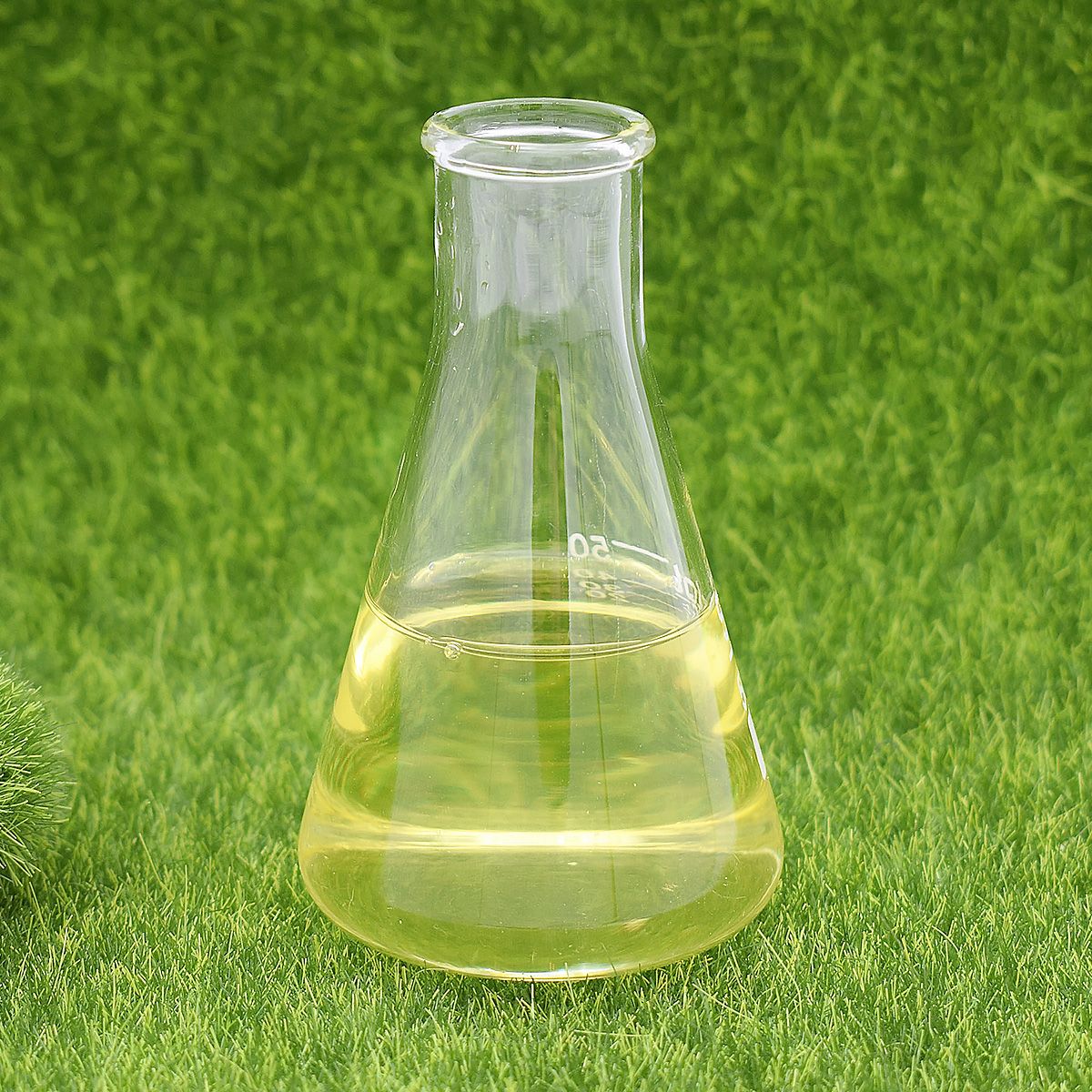
গাছপালা মানুষের মতো, এবং যেমন মানুষ তাদের স্বাস্থ্যের জন্য একটি নির্দিষ্ট ধরনের খাবারের প্রয়োজন; গাছপালাও তেমনি প্রয়োজন। পুষ্টি এবং কি গাছপালা তার প্রয়োজন? এই পুষ্টি গাছের জন্য গুরুত্বপূর্ণ উপাদান বলে বিবেচিত হয়, যা প্রাকৃতিক খাদ্য তাদের সমর্থন করে কারণ তারা এই গুরুত্বপূর্ণ খাদ্য গ্রাহকদের কাছে কার্যকরভাবে পৌঁছে দিতে পারে।
একটি জৈব পদ্ধতির উদাহরণ হলো Mineral Miracle, যা স্বাভাবিক গাছের খাদ্যের মতো কাজ করে এবং এটি ম্যাগনেসিয়াম, ক্যালসিয়াম ইত্যাদি মৌলিক খনিজ উপাদানের উপর ভিত্তি করে। এই খনিজ গাছের স্বাস্থ্যের জন্য অত্যন্ত গুরুত্বপূর্ণ। গাছের জন্য প্রয়োজনীয় পুষ্টি থাকা জরুরি, যা তাদের সুস্থ জड় এবং ডালপালা বিকাশের জন্য সহায়তা করে এবং তারা বেঁচে থাকতে পারে, সুতরাং জৈব খাদ্য খুব উপযোগী। অন্যদিকে, জৈব খাদ্য ব্যবহার করলে গাছের উৎপাদন ঘটে যা রাসায়নিক খাদ্যের তুলনায় অনুপযুক্ত পার্শ্বপ্রতিক্রিয়া ছাড়াই।
এটি সম্পূর্ণভাবে মিথ্যা, আন্তঃ গাছের জন্য সঠিক ধরনের খাদ্য নির্বাচন করা তাদের ভালো থাকার জন্য গুরুত্বপূর্ণ, যা Shellight এর পণ্যের মতো হিউমিক এসিড । অনেক গাছ অ্যাসিডিক মাটি পছন্দ করে, কিন্তু কিছু গাছের জন্য বিপরীত দিকে যেতে হতে পারে এবং তাদের জন্য আরও ক্ষারীয় মাটি ভালো। আন্তঃ গাছের জন্য তাৎক্ষণিক উপলব্ধ তরল খাদ্য বা ধীরে স্থাপিত সূত্র ব্যবহার করা হয়, যা গাছের দ্বারা ভালোভাবে অবশোষিত হয় এবং এটি বিকাশের সাথে ধীরে ধীরে পুষ্টি সরবরাহ করে।
উদ্ভিদগুলির বৃদ্ধির জন্য মূলত তিনটি প্রধান পুষ্টি পদার্থের প্রয়োজন হয়:
নাইট্রোজেন
ফসফরাস
কোটাশ
যদিও এই পুষ্টি পদার্থগুলি উদ্ভিদের স্বাস্থ্য রক্ষা করতে অত্যন্ত গুরুত্বপূর্ণ, তবে মাইক্রো ও ম্যাক্রো পুষ্টি পদার্থ সমৃদ্ধ সinténtিফিক বর্জির ব্যবহার পরিবেশ ও মাটির গুণগত মানে নেতিবাচক প্রভাব ফেলতে পারে। আপনার খাবার উৎপাদনের আনন্দ সর্বোচ্চ হয় যখন ফল ও শাকসবজি না শুধু স্বাদু হয় কিন্তু তা পুষ্টিকরও হয় এবং মানুষের জীবন চক্র বজায় রাখার জন্য উপযুক্ত খাদ্য।
বর্জি উদ্ভিদের জন্য ভালো, কিন্তু একটি কথা মনে রাখতে হবে যে বর্জি মাটির গুণগত মান হ্রাস করে এবং তাই এটি অতিরিক্ত পরিমাণে ব্যবহার করা উচিত নয়। স্বাভাবিক বর্জি ব্যবহার করা উদ্ভিদের স্বাস্থ্যকর বৃদ্ধি প্রচার করে এবং তা পরিবেশগতভাবে শব্দ করে কারণ এটি সংলগ্ন পরিবেশ ব্যবস্থাকে সামঞ্জস্যপূর্ণ রাখতে সাহায্য করবে।
অতএব সমস্তই বৃথা, গাছের জন্য পুষ্টিকর খাদ্যের মঙ্গল না নিয়ে তাদের উন্নয়ন হবে না। এটি ঘটে কারণ, মাটি থেকে সংস্কার করা সintéটিক খাদ্যের বিপরীতে, প্রাকৃতিক খাদ্য মাটির গুণগত মান বাড়ায় এবং প্রাকৃতিকভাবে উৎপাদিত গাছপালা উচ্চ মানেরও সহ কৃষি উৎপাদনের জন্য প্রয়োজনীয়। বাড়িতে তৈরি প্রাকৃতিক খাদ্য বিশেষ ভাবে ব্যবহার করুন যাতে আপনি শুধু মাত্র অধিক উদ্যান পেতে না, বরং পরিবেশের জন্যও আপনার অংশ নিতে পারেন।
ন্যাচারাল গ্রোথ ফ্রেন্ডস পশু বিলয়ের কমপোস্ট এবং হड় মিল থেকে তৈরি যা একটি উত্তম উদাহরণ হিসাবে পরিচিত যৌথ উর্বরকারী পদার্থ, এবং iba শেলিংট কর্তৃক উদ্ভাবিত। এতে গাছপালা এবং মাটির স্বাস্থ্যকর জীবনকারী গণের প্রাকৃতিক উন্নয়নের জন্য অপরিহার্য গুরুত্বপূর্ণ মাইক্রোনাট্রিয়েন্ট যেমন ম্যাগনেসিয়াম, ক্যালসিয়াম এবং আয়রন রয়েছে। অন্যদিকে, রাসায়নিক খাদ্য পদার্থ তিনটি প্রধান উপাদান: নাইট্রোজেন (N), ফসফরাস (P) এবং পটাশিয়াম (K) বা NPK-এর সরাসরি সরবরাহ চেষ্টা করে - যা গাছের জন্য তৎক্ষণাৎ উপযোগী রূপে উপস্থিত হয় কিন্তু অনেক সময় অপ্রাকৃতভাবে উচ্চ ডোজ হতে পারে। এছাড়াও, প্রাকৃতিক খাদ্য পদার্থ পরিবেশের জন্য ভালো কারণ এর মধ্যে কোনো নিষ্ঠুর রাসায়নিক বিল্ড নেই যা মাটিতে নিষ্কাশিত হতে পারে এবং বায়োডায়নামিক সুস্থতা ধ্বংস করতে পারে।
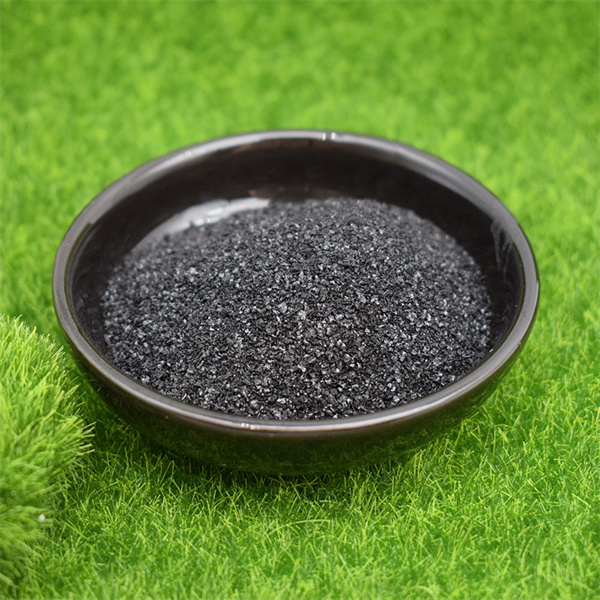
আপনার ঘরের গাছের জন্য কোন খাদ্য পদার্থ বাছাই করবেন তা নির্ভর করে গাছের প্রয়োজনের উপর, যা শেলিংটের পণ্যের সাথে অভিন্ন। চিটোস্যান প্রতিটি গাছের নির্দিষ্ট প্রয়োজন আছে, যেমন কিছু গাছের বেশি পটাশিয়াম লাগে এবং অন্যদের জন্য অম্লময় মাটি সবচেয়ে ভালো কাজ করে। এটি আমরা যে ধরনের ফলসের মাটি ব্যবহার করি তার সাথেও জড়িত, কারণ বিভিন্ন ধরনের মাটির সাথে উর্বরকারী পদার্থ বিভিন্নভাবে ব্যাপার হয়। তরল উর্বরকারী পদার্থের সহজ উপলব্ধি ঘরের ভিতরের গাছের জন্য অনেক ভালো, কারণ তা গাছেরা রস গ্রহণ করার আগে ভেঙে পড়ার দরকার নেই।
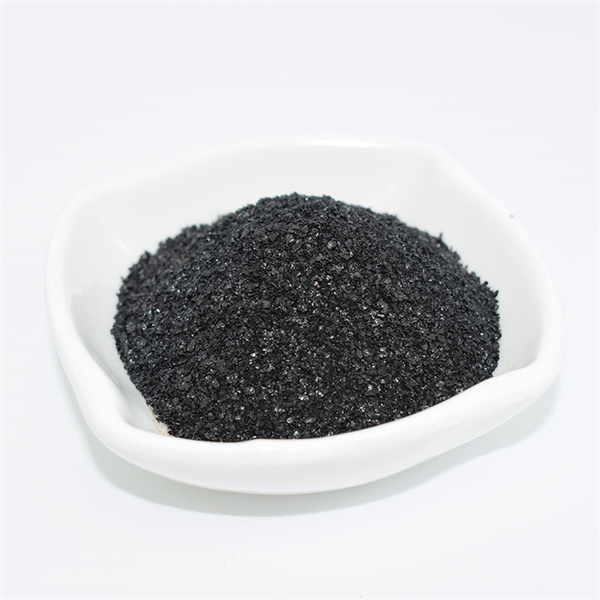
এনপিকে উর্বরকারী পদার্থ, যা গাছের উৎপাদনের জন্য নাইট্রোজেন, ফসফেট এবং পটাশিয়াম বিভিন্ন অনুপাতে রয়েছে, এর সাথেও ক্যালসিয়াম হাইপোক্লোরাইট শেলাইট দ্বারা উৎপাদিত। পাতাযুক্ত সবজির জন্মদায়ক নাইট্রোজেন প্রয়োজন, মূল ফসফরাস ব্যবহার করে মূল এবং টিউবার গঠন করে, অন্যদিকে পটাশিয়াম গাছের চাপের মুখোমুখি হতে সাহায্য করে। যদিও NPK খাদ্য গাছের জন্মদান এবং স্বাস্থ্যকর ফসল উৎপাদনে সাহায্য করে, তবে এগুলি অতিরিক্ত ব্যবহার করলে পরিবেশে গুরুতর প্রভাব হতে পারে। কারণ অতিরিক্ত সintéথেটিক খাদ্য মাটির পুষ্টি ব্যবধান ঘটায়, যা জীবাণুর স্বাভাবিক বাসস্থানকে বিঘ্নিত করে, যেখানে প্রাকৃতিক সংশোধন জীবাণু গতিবিধি প্রচার করে।
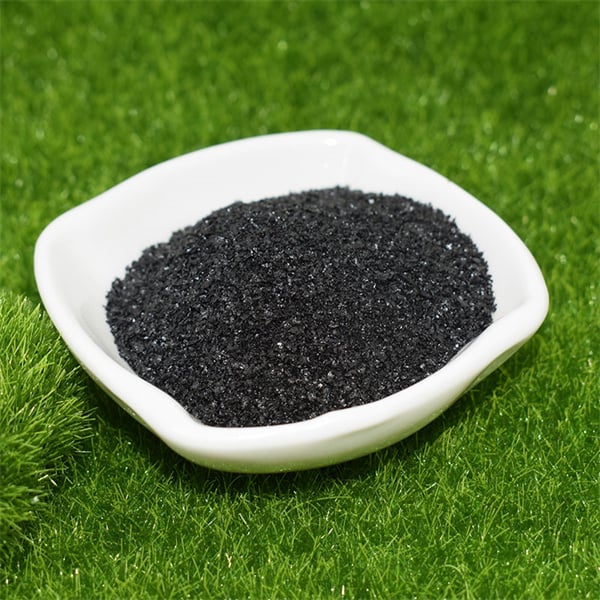
যদি আপনি টেকসই বাগান করার প্রতি আগ্রহী হন, তাহলে আপনার নিজস্ব জৈব সার তৈরি করা সহজ, শেলাইটের সাথে একইভাবে ক্লোরিন ডাইঅক্সাইড . অবশ্যই, কম্পোস্ট করা রান্নাঘর এবং উঠোনের জৈব বর্জ্য কিছু ভালো ধরনের গাছের খাবার তৈরি করে। এটির জন্য কম্পোস্ট চা তৈরি করা প্রয়োজন, যা ভাঙা পদার্থ থেকে তৈরি একটি তরল সার যা দুটি পদ্ধতিতে মাটি বা পাতায় স্প্রে করা হয়। হাড়ের গুঁড়ো, ফসফরাসযুক্ত একটি গুঁড়ো যা অব্যবহৃত হাড় মাটির মধ্যে পিষে তৈরি করা হয়। টমেটো এবং মরিচের মতো ফল আসা গাছগুলি বিশেষভাবে হাড়ের গুঁড়ো থেকে উপকৃত হয়।
2 সার এবং মাটির স্বাস্থ্য এবং পরিবেশ
যদিও সার একটি গাছের জীবন প্রক্রিয়াকে ত্বরান্বিত করতে পারে, কিন্তু চাহিদা পূরণের জন্য এর অতিরিক্ত ব্যবহার মাটির স্বাস্থ্য এবং পরিবেশের ওপর খারাপ প্রভাব ফেলতে পারে। সিনথেটিক সার মাটির মধ্যে প্রবেশ করে ভূগর্ভস্থ জলের উৎসগুলি দূষিত করতে পারে, এবং গাছের বৃদ্ধির জন্য প্রয়োজনীয় মাটির প্রাকৃতিক মাইক্রোবায়াল জীবনকে ব্যাহত করতে পারে। সারের অতিরিক্ত ব্যবহার মাটিতে পুষ্টির স্তরকে অসামঞ্জস্য করে ফেলতে পারে এবং ফলনের ওপর নেতিবাচক প্রভাব ফেলতে পারে। তাই, নির্দিষ্ট নির্দেশাবলী অনুসরণ করে সুপারিশকৃত পরিমাণ সার ব্যবহার করা গুরুত্বপূর্ণ। প্রাকৃতিক উপাদান থেকে উদ্ভূত জৈব সার গাছের পুষ্টি এবং সুষম বাস্তুতন্ত্র উৎসাহিত করার জন্য আরও বেশি পরিবেশ বান্ধব এবং টেকসই বিকল্প হিসাবে কাজ করে।
ছবিতে, কারণ সফল বাগানের অনুশীলনের জন্য সারের পছন্দ আবশ্যিক। যেখানে কমপোস্টের মতো জৈব সার মাটির স্বাস্থ্য এবং গাছের প্রাকৃতিক বৃদ্ধির উপায়ে কাজ করে, সেখানে সিনথেটিক সার ফসল উৎপাদন বৃদ্ধির জন্য প্রয়োজনীয় পুষ্টি সরবরাহ করে। বুদ্ধিমত্তার সাথে নিজের তৈরি জৈব সার ব্যবহার করে আপনি আপনার বাগানকে এমন একটি স্থানে পরিণত করতে পারেন যেখানে জীবন ফুটে ওঠে এবং আমাদের চারপাশের যে জাল রয়েছে তার স্বাস্থ্যের প্রতি অবদান করতে পারেন।
গৃহীত ডেলিভারি শর্তাবলী: EXW, FOB, CFR, CIF, EXW, FAS, CIP, FCA, CPT, DEQ, DDP, DDU, এক্সপ্রেস ডেলিভারি, DAF, DES। গৃহীত পেমেন্ট পদ্ধতি: T/T, L/C, D/P, A, সার, ক্রেডিট কার্ড, পেপ্যাল, পেপ্যাল, পেপ্যাল, পেপ্যাল, ওয়েস্টার্ন ইউনিয়ন, নগদ, এসক্রো। কথ্য ভাষা: ইংরেজি, চীনা, স্প্যানিশ, জাপানিজ, ফরাসি, রাশিয়ান
কোম্পানিটি ৬টি সেট অফার করে যা ১০০টির বেশি উদ্ভাবনী রাসায়নিক পণ্যের কভার করে। এই ৬টি সেটের মধ্যে রয়েছে সূক্ষ্ম পুষ্টি, উদ্ভিদ বৃদ্ধি নিয়ন্ত্রক, সার, খাদ্য সংযোজক, জল পরিশোধন রাসায়নিক পদার্থ এবং প্রাণী খাদ্য।
আমাদের একটি পেশাদার R&D দল, উন্নত উৎপাদন সুবিধা এবং সর্বাপেক্ষা উন্নত রাসায়নিক উৎপাদন প্রযুক্তি রয়েছে, পাশাপাশি একটি অত্যন্ত অভিজ্ঞ সেবা দলও রয়েছে। দীর্ঘকালীন বৃদ্ধির ঐতিহ্যের সাথে, আমাদের কোম্পানি প্রচুর সার জমা করেছে এবং চীনের রাসায়নিক শিল্পের অগ্রণী প্রতিষ্ঠানে পরিণত হয়েছে।
সার পণ্যগুলি ১০০টির বেশি দেশে রপ্তানি করা হয়েছে, যার মধ্যে রয়েছে দক্ষিণ আমেরিকা, কানাডা, মার্কিন যুক্তরাষ্ট্র, ভারত, পাকিস্তান, তুরস্ক, মধ্যপ্রাচ্যের দেশসমূহ এবং অন্যান্য অনেক দেশ।
 EN
EN
 AR
AR
 FR
FR
 KO
KO
 PT
PT
 RU
RU
 ES
ES
 ID
ID
 SW
SW
 BN
BN

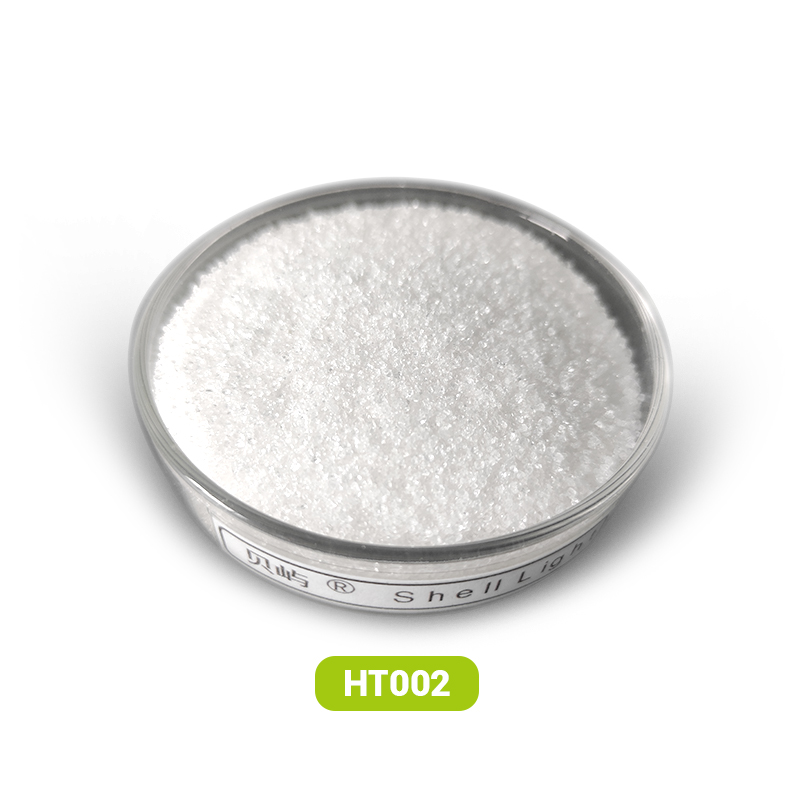 সুপার জল গ্রহণশীল পলিমার পটাশিয়াম পলিঅ্যাক্রিলেট
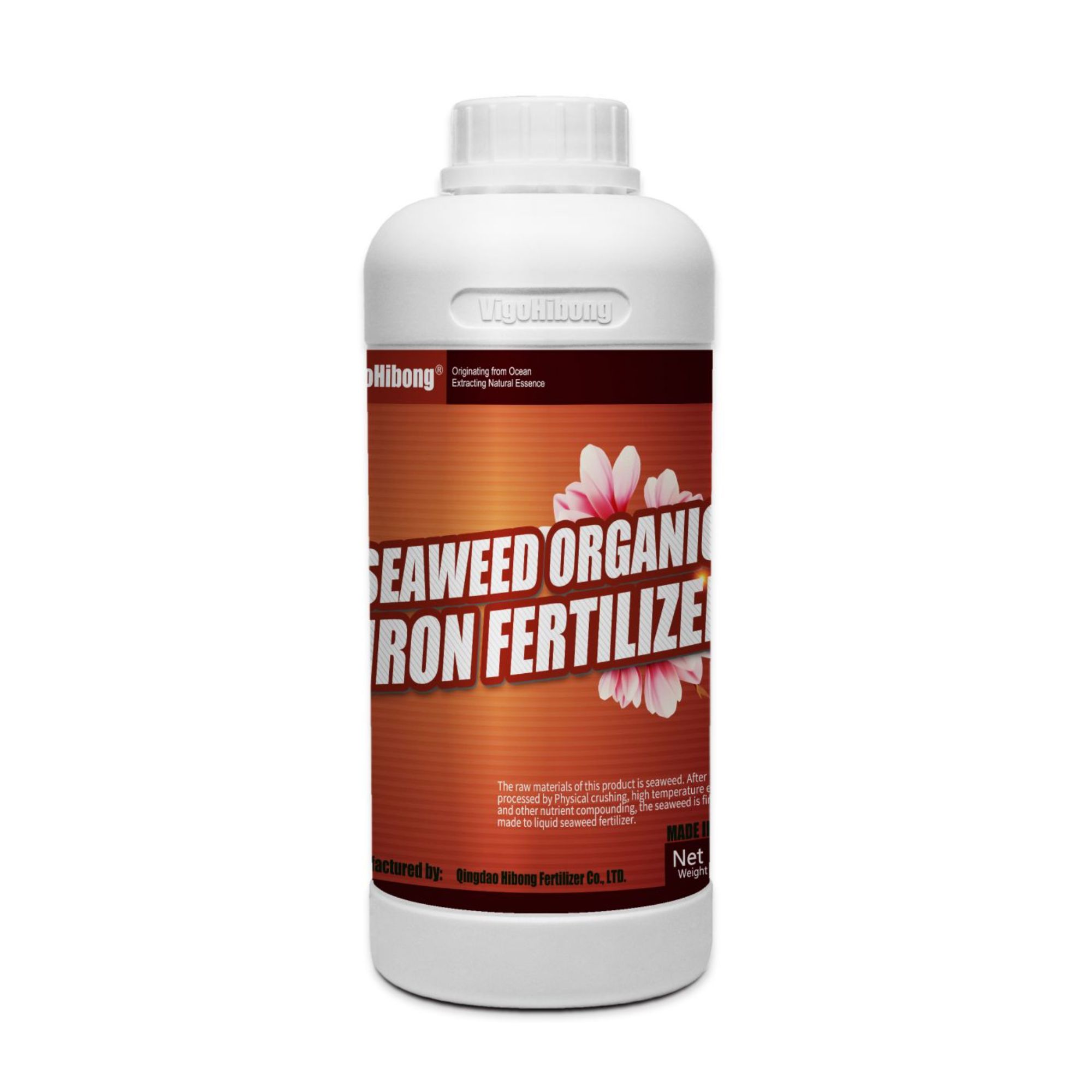 সমুদ্রফেনী চেলেটেড আয়ারন তরল উর্বরক
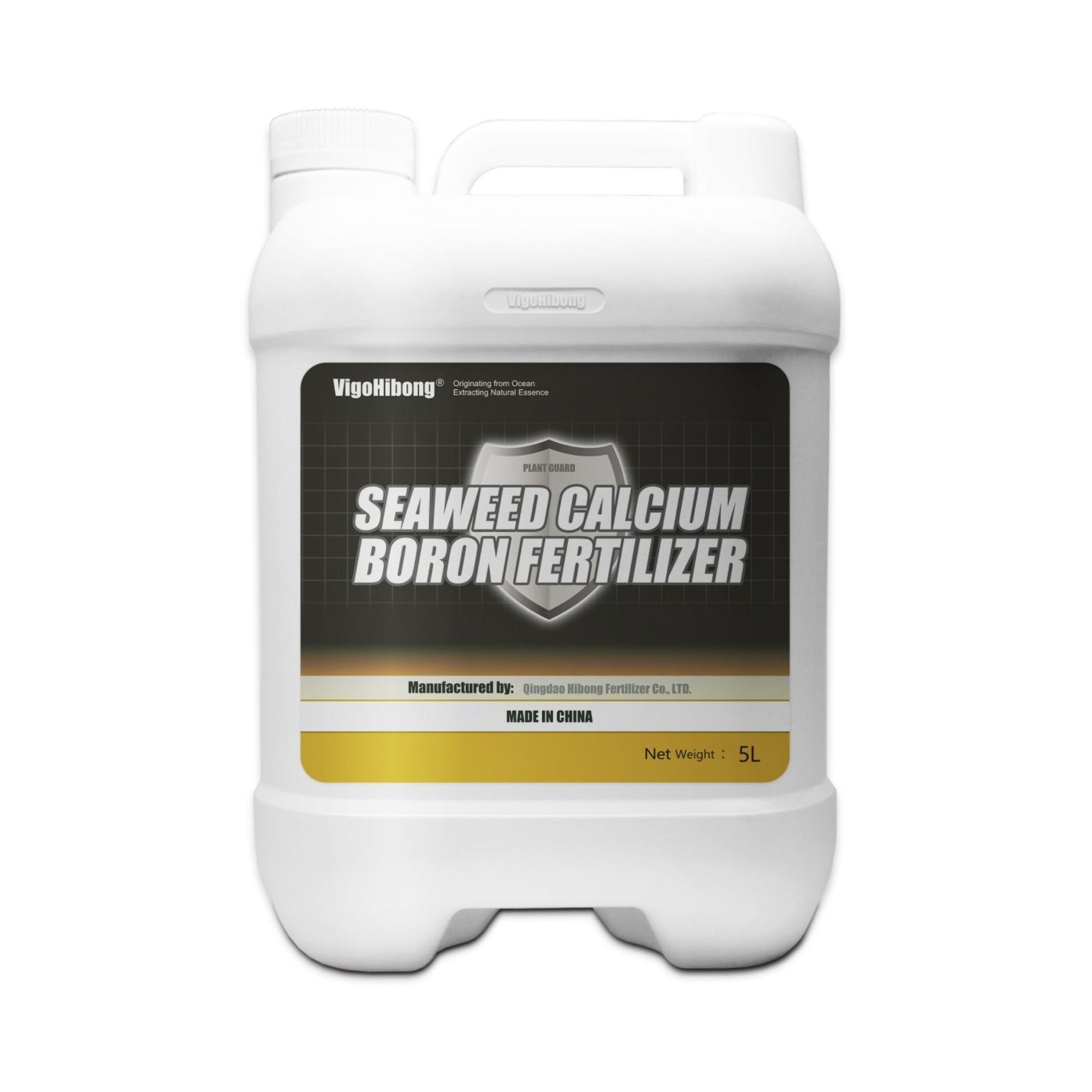 সমুদ্রফেনী ক্যালসিয়াম ম্যাগনিশিয়াম তরল উর্বরক
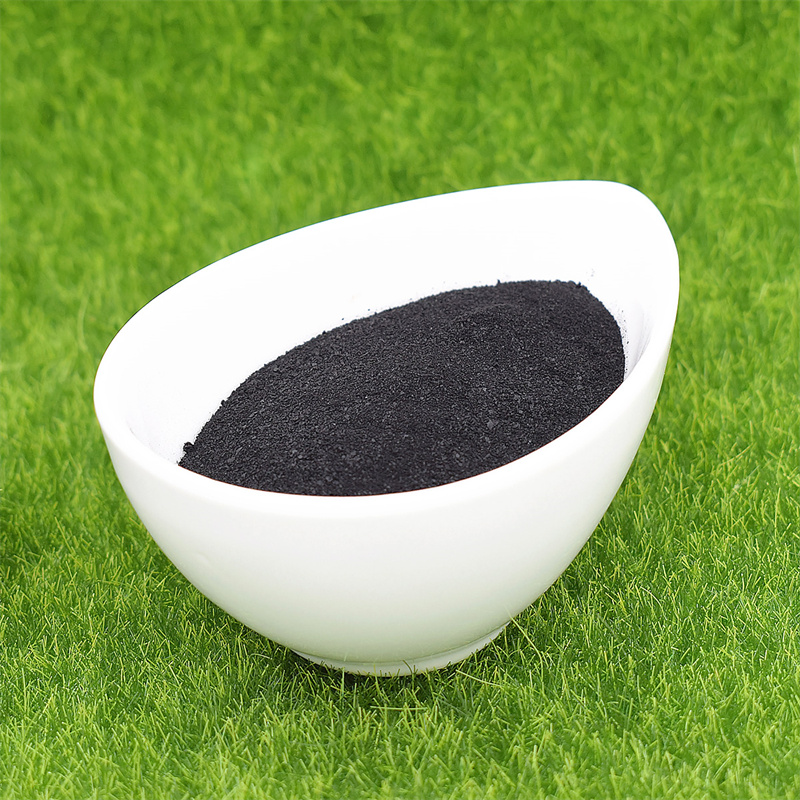 সমুদ্রফেনী এক্সট্রাক্ট পাউডার
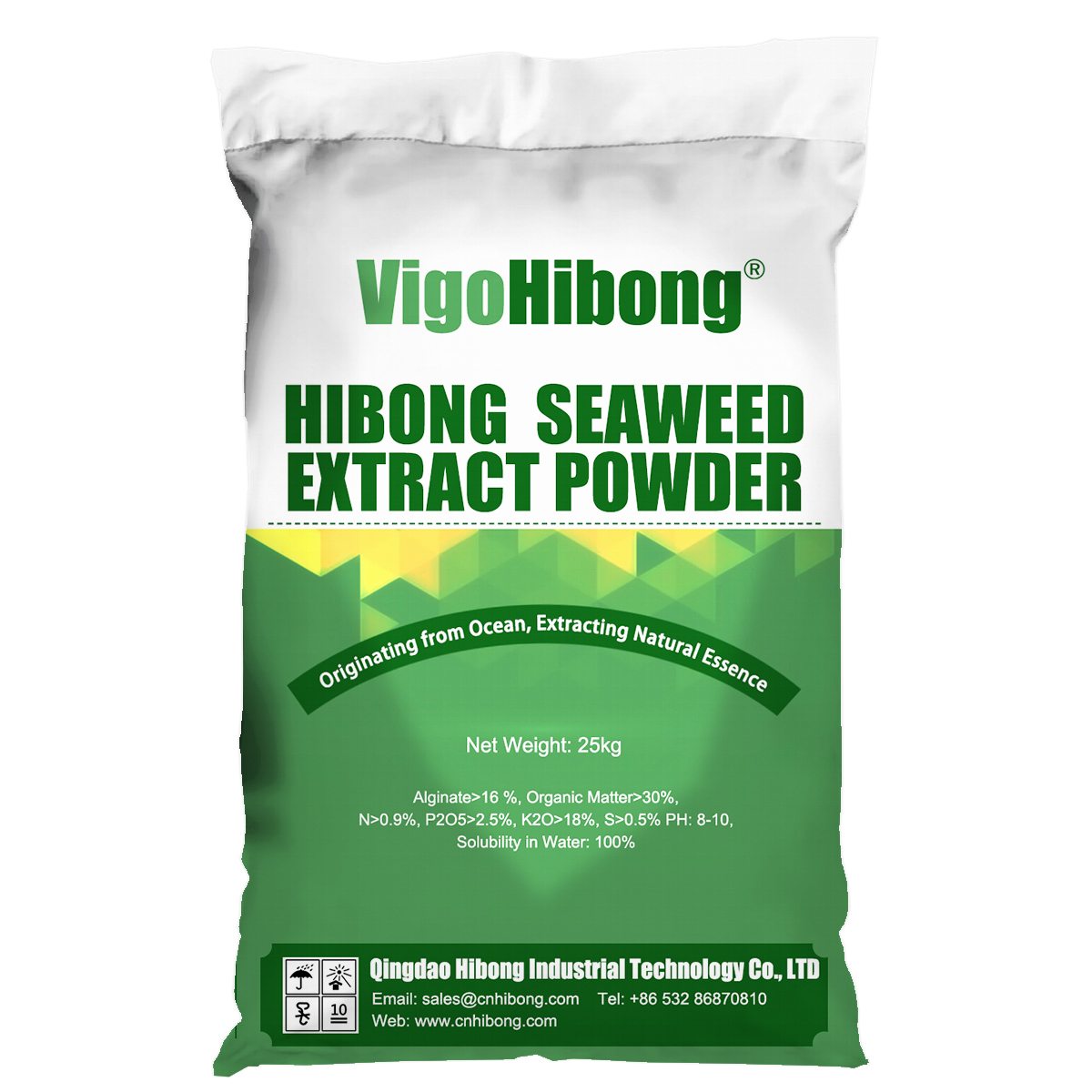 সমুদ্রফেনী এক্সট্রাক্ট ফ্লেক
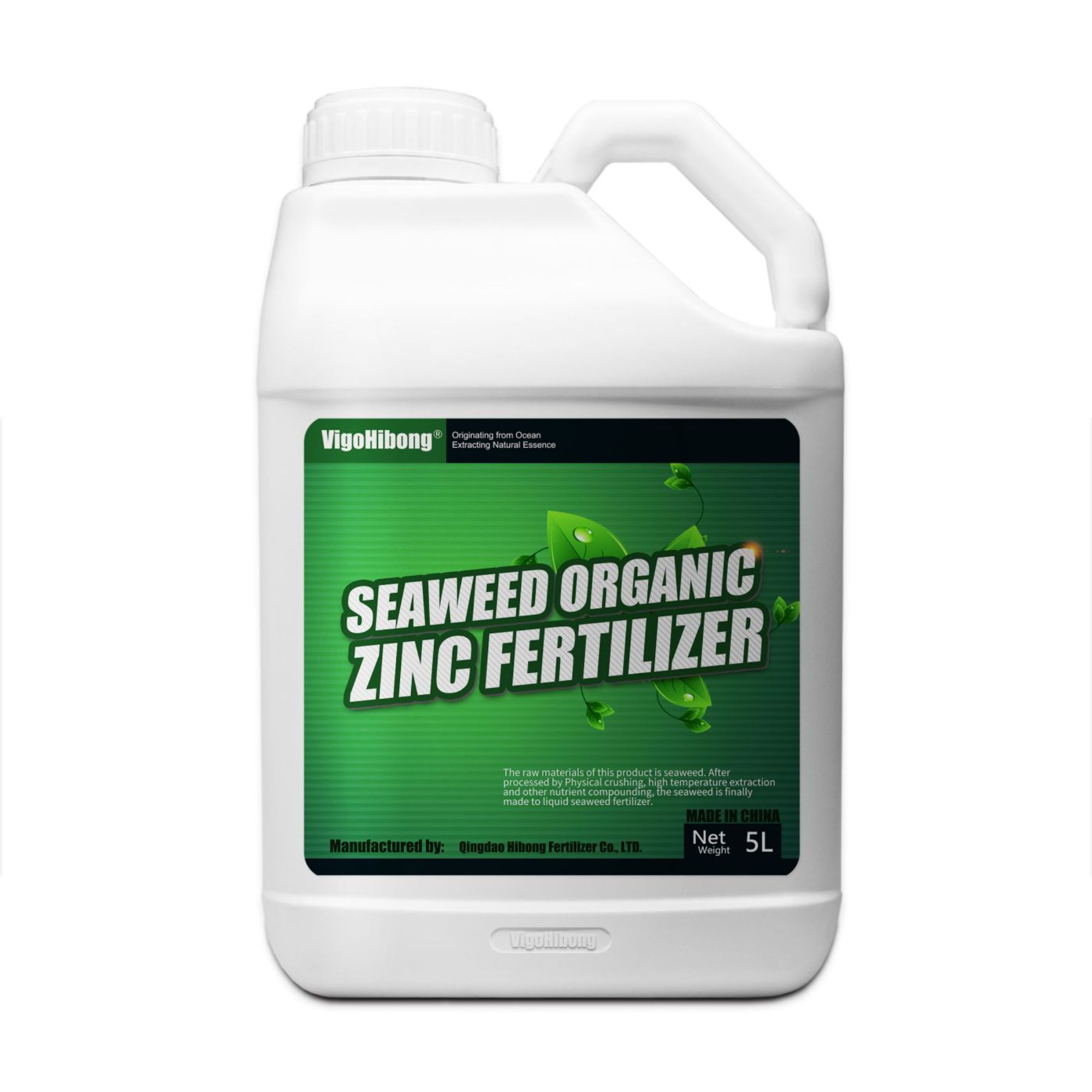 সমুদ্রফেনী জিনিক তরল উর্বরক
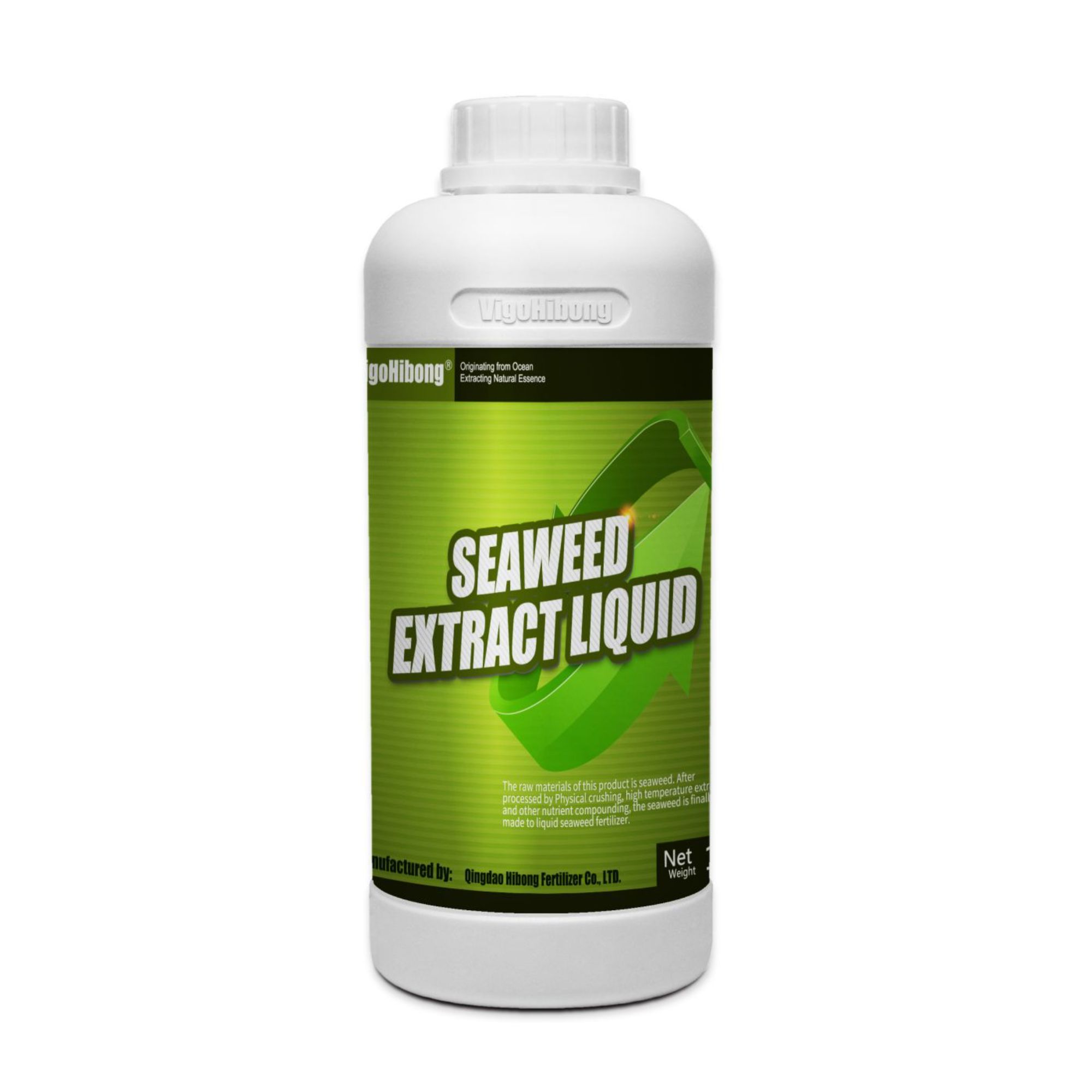 সমুদ্রের শৈবাল তরল সিলিকন যোগানো
 তরল সমুদ্রের শৈবাল যোগানো
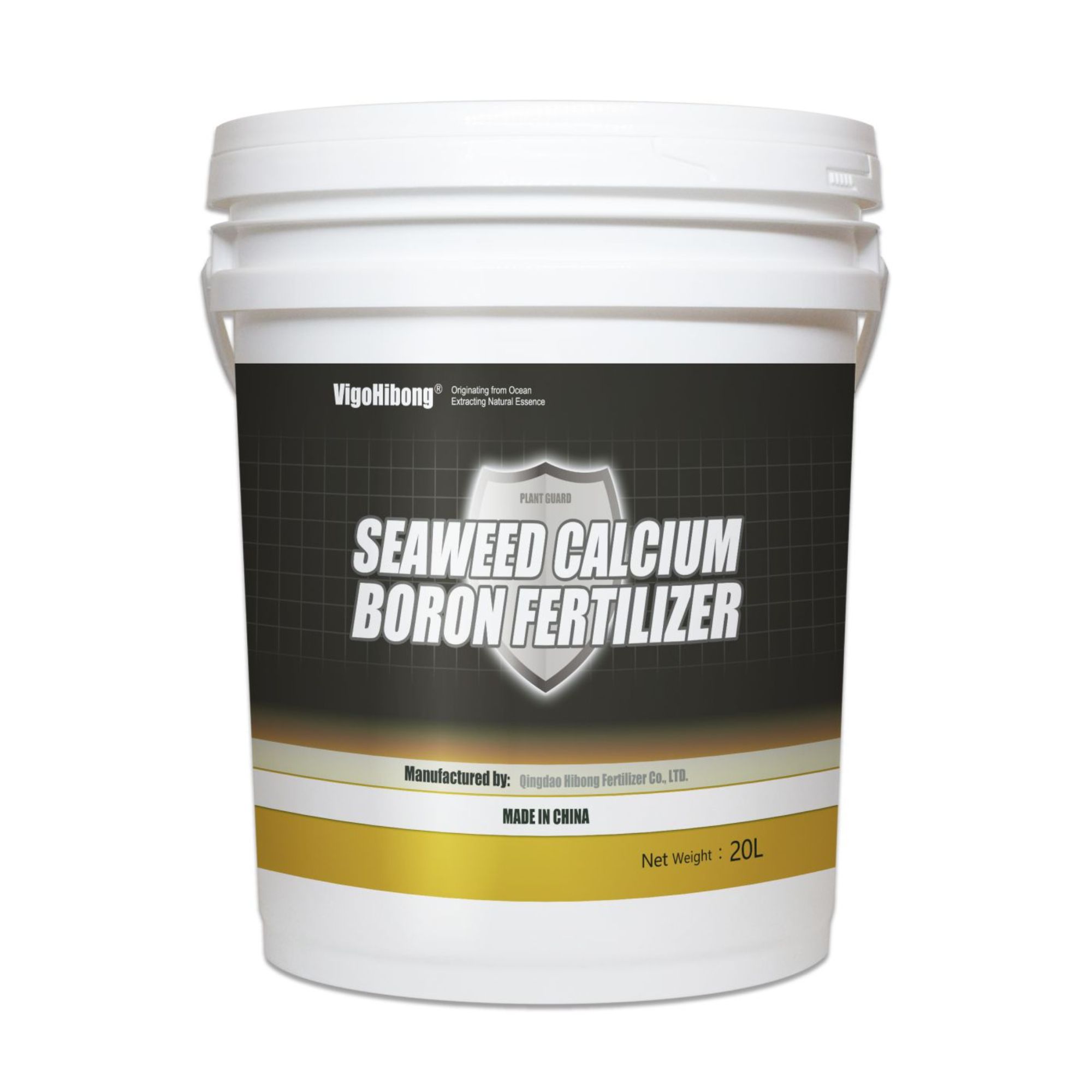 সমুদ্রের শৈবাল প্রাকৃতিক তরল ক্যালসিয়াম বোরন যোগানো
 এল-সিসটিন
 এল-লিউসিন
 এল-সিস্টিন
 এল-আর্জিনিন
 এল-লিসিন
 এল-থায়োপ্রোলিন
 আলুমিনিয়াম সালফেট
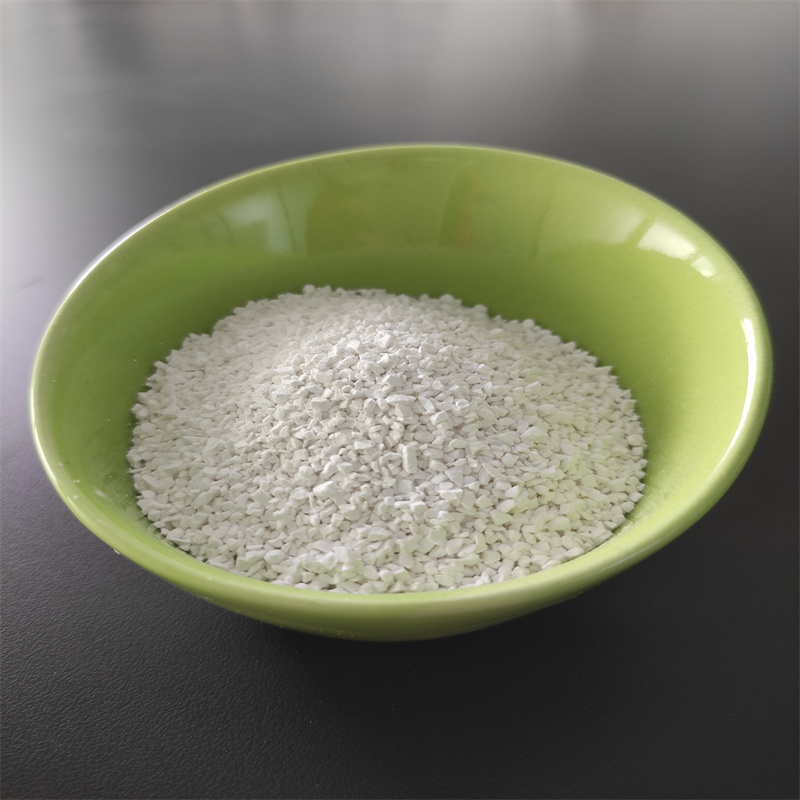 ক্যালসিয়াম হাইপোক্লোরাইট
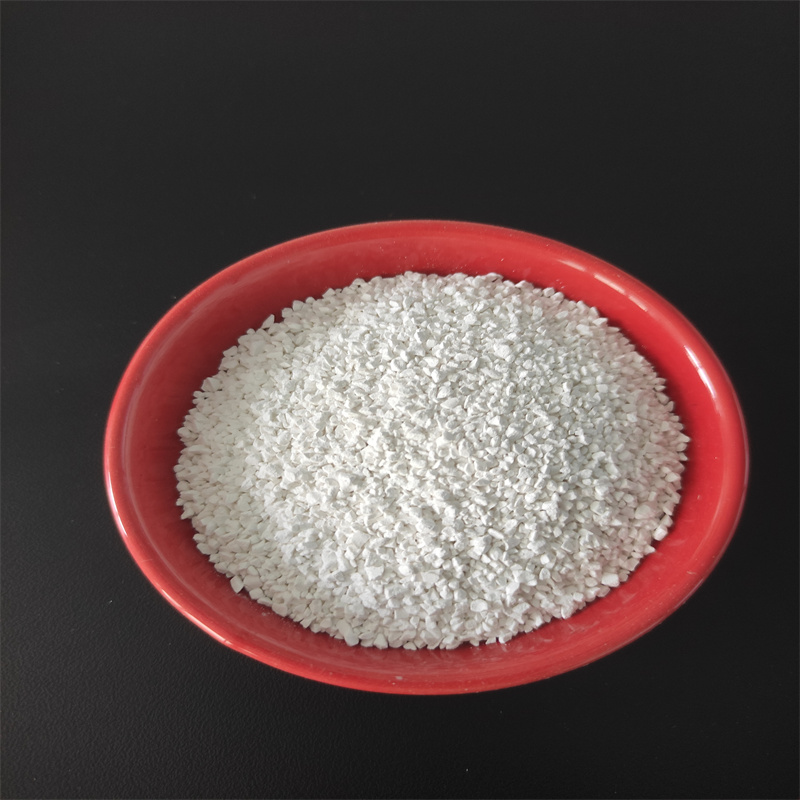 ক্লোরিন ডাইঅক্সাইড
 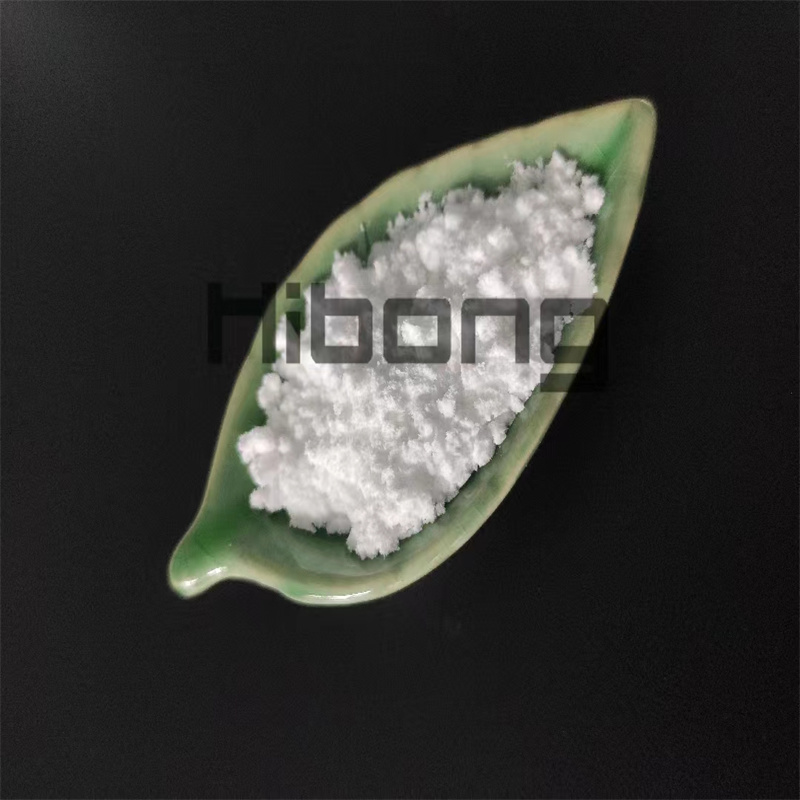 সায়ানুরিক এসিড
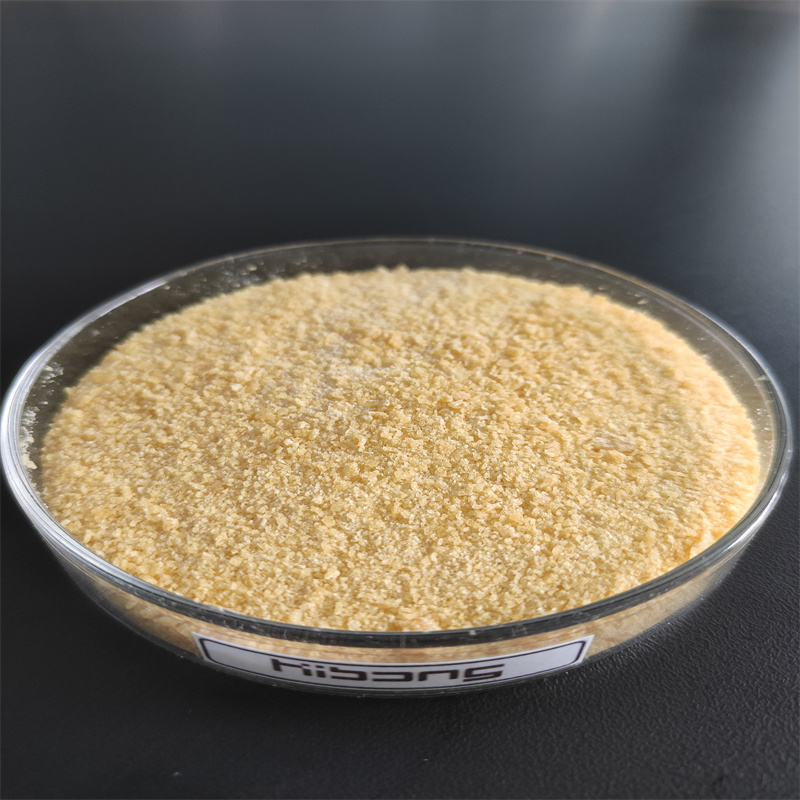 পলিঅ্যালুমিনিয়াম ক্লোরাইড
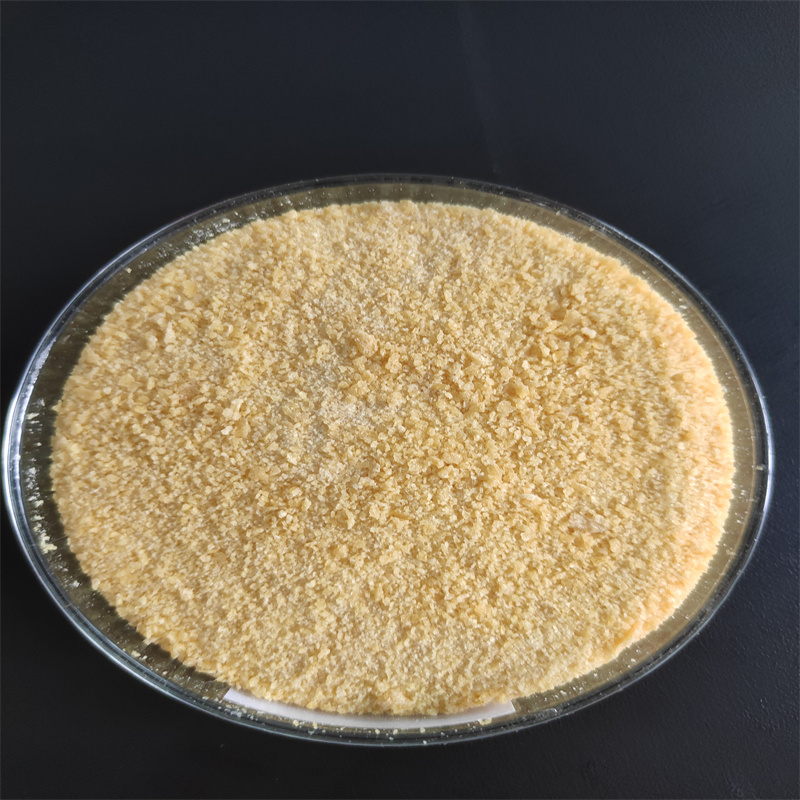 পলিআক্রিলামাইড
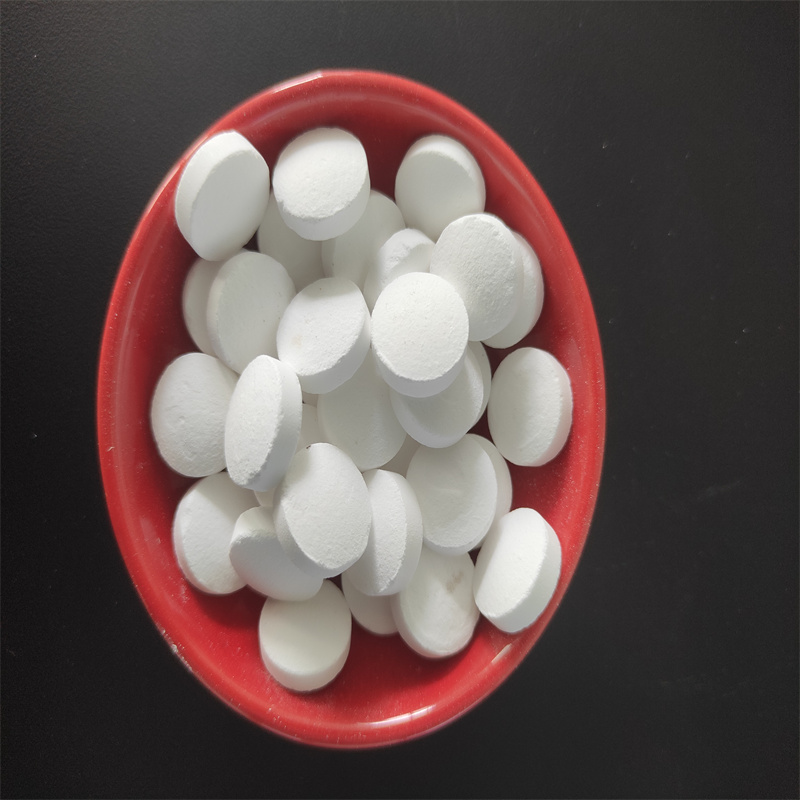 সোডিয়াম ডাইক্লোরোআইসোসায়ানুরেট (SDIC)
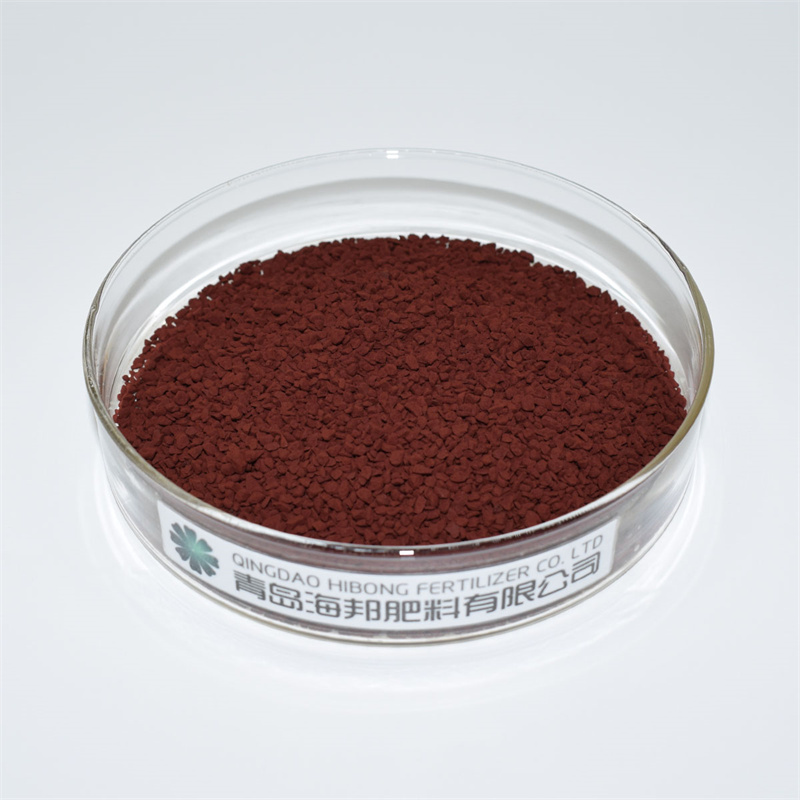 এডিডিএইচএ ফিংকেটি পাউডার
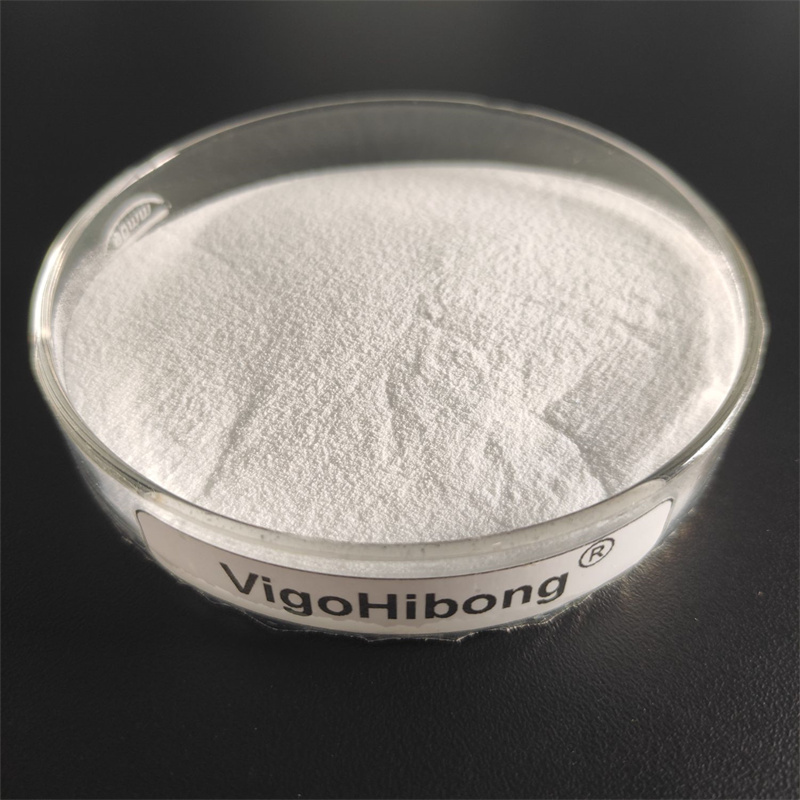 এডিটিএ ২না
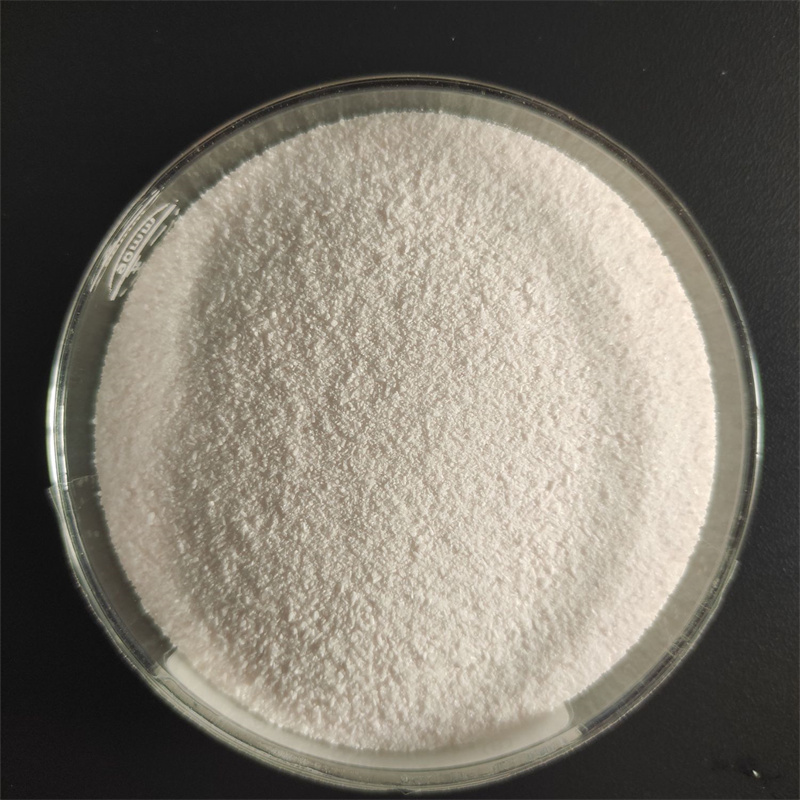 এডিটিএ ৪না
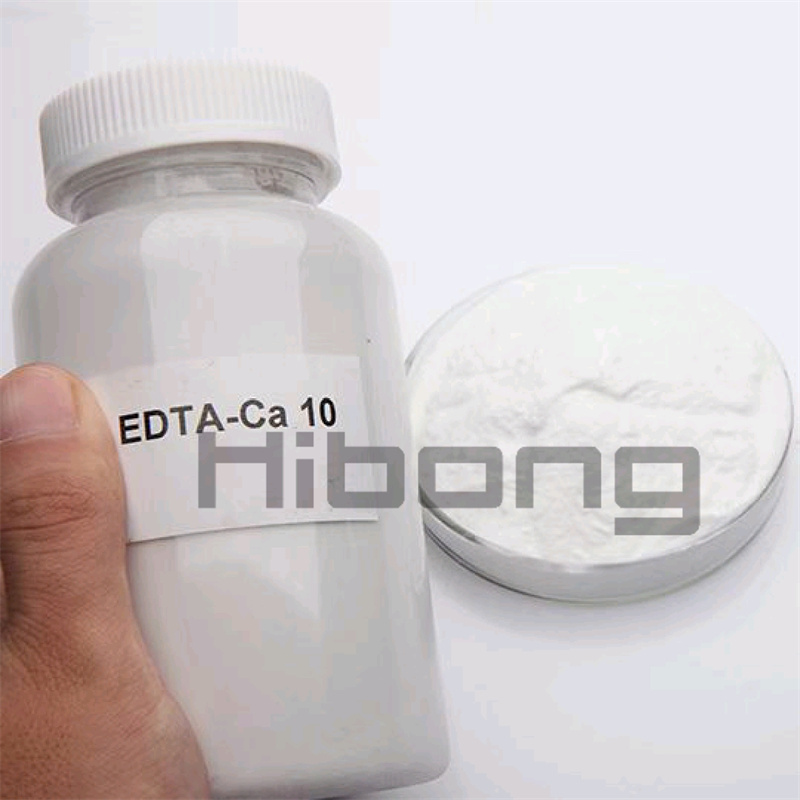 এডিটিএ ক্যালসিয়াম
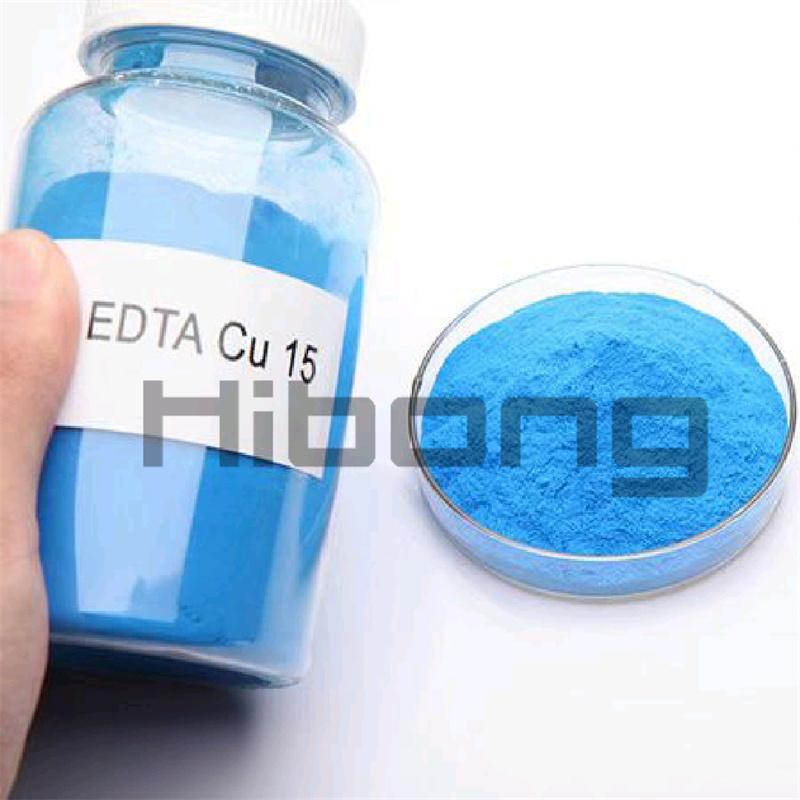 এডিটিএ কিউ ১৩%
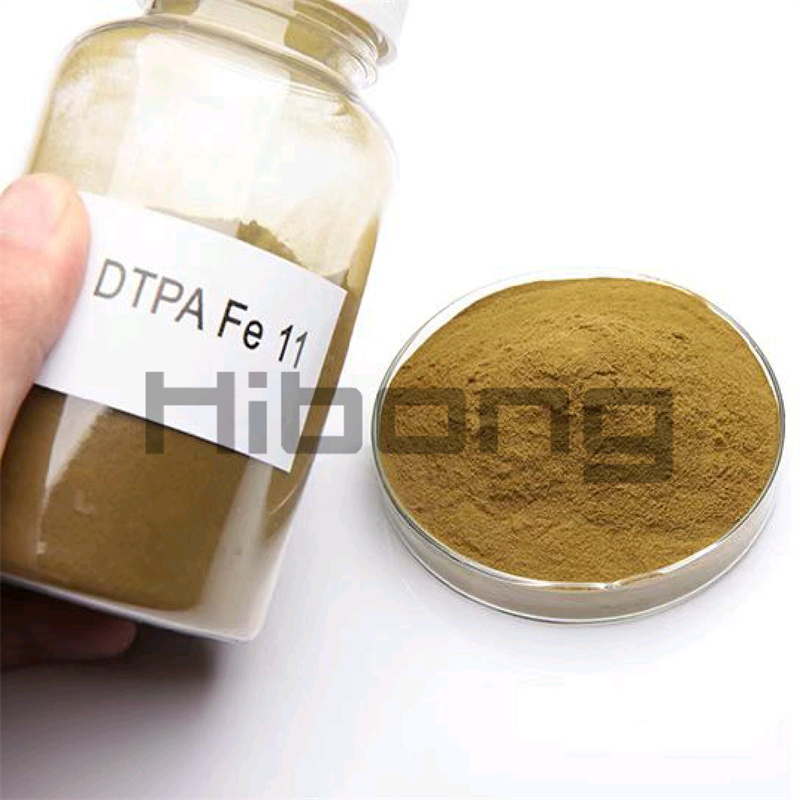 এডিটিএ ফিড
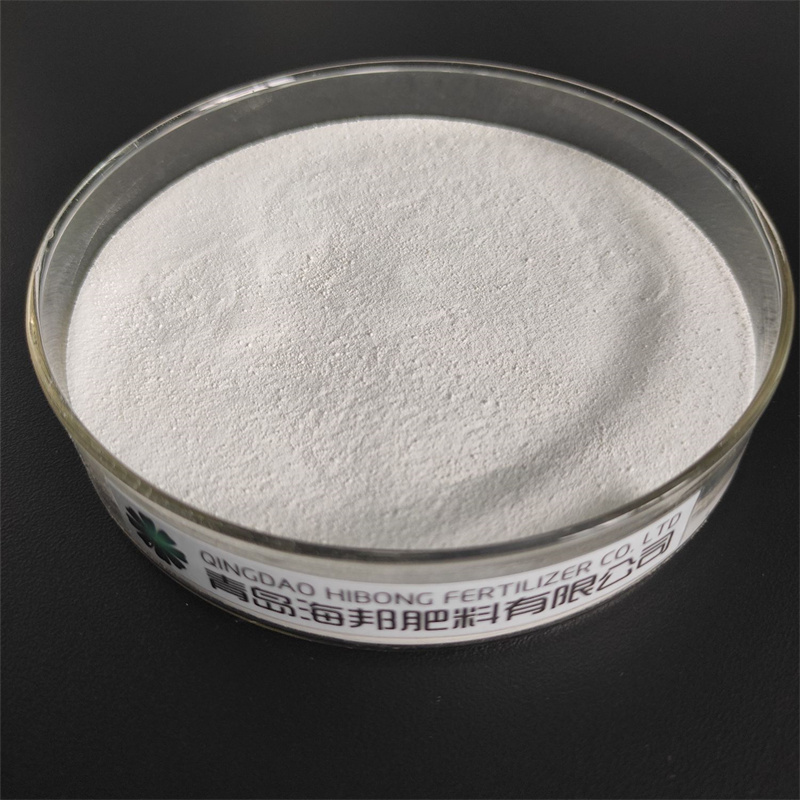 এডিটিএ ম্যাগনেশিয়াম
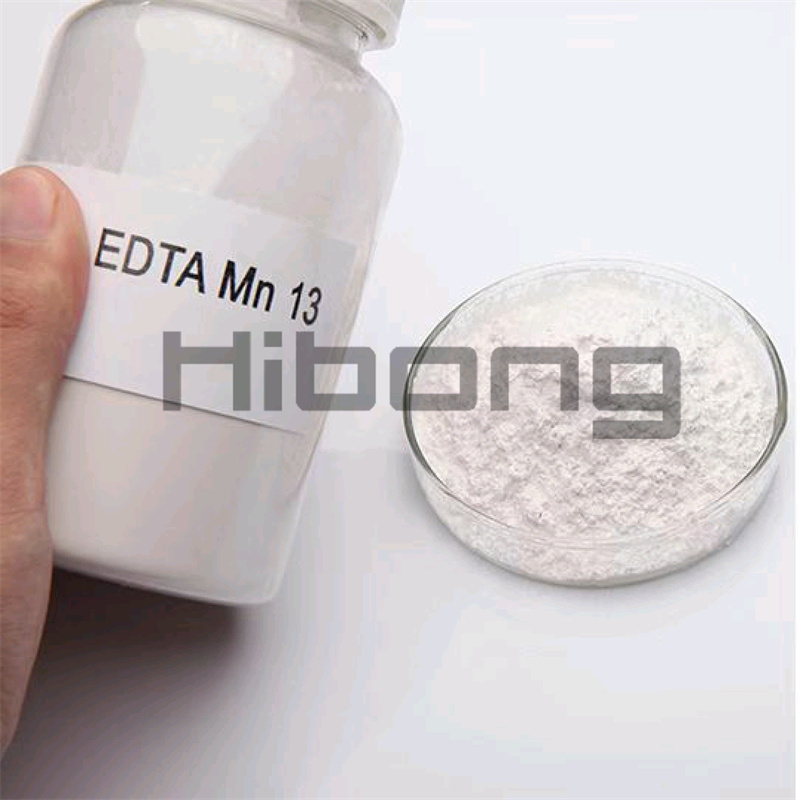 এডিটিএ এমএন
 ৬-বেনজামিনোপুরিন (৬বিএ)
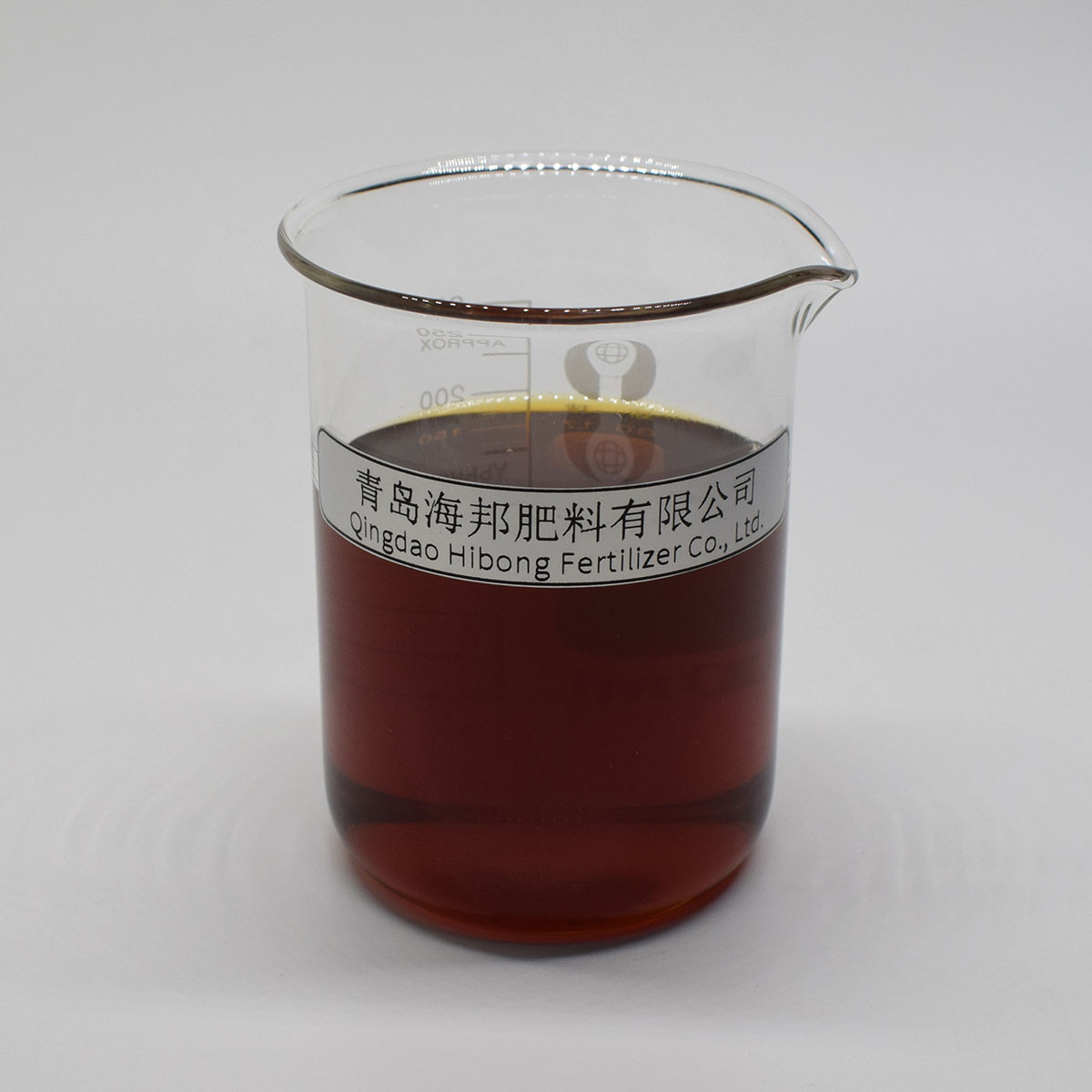 GA3 4% এক্সট্রাক্ট তরল
 GA3 10% TB 10g ট্যাবলেট
 GA3 90% TC পাউডার
 ডায়াইএথাইলঅ্যামিনোইথাইলহেক্সানোয়েট (DA6)
 প্যাকলোবুট্রাজল 15% WP পাউডার
 প্যাকলোবুট্রাজল 25% সাস্পেনশন কনসেনট্রেট