 EN
EN
 AR
AR
 FR
FR
 KO
KO
 PT
PT
 RU
RU
 ES
ES
 ID
ID
 SW
SW
 BN
BN

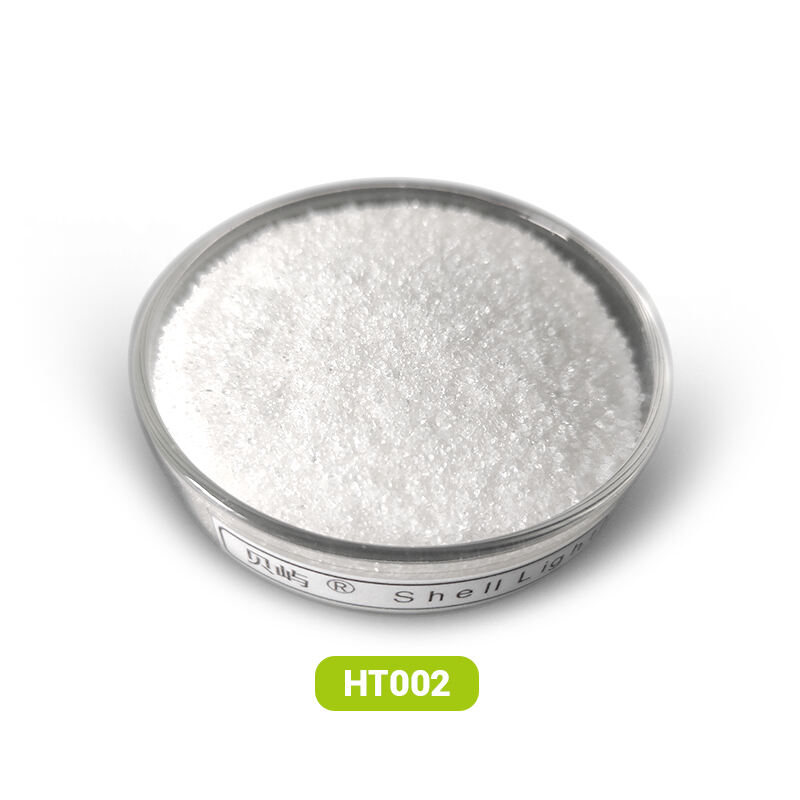 Super Water Absorbent Polymer Potassium Polyacrylate
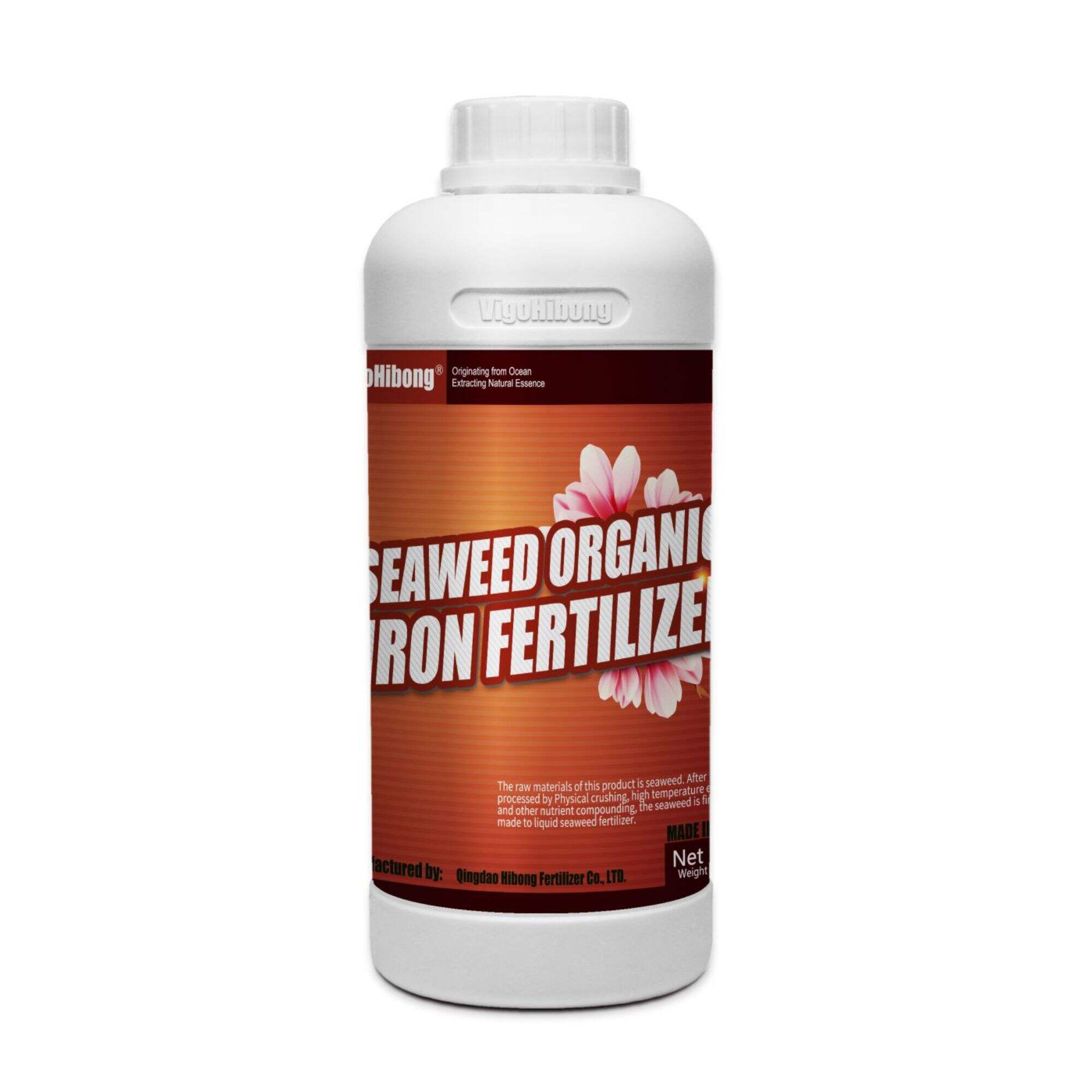 SEAWEED CHELATED IRON LIQUID FERTILIZER
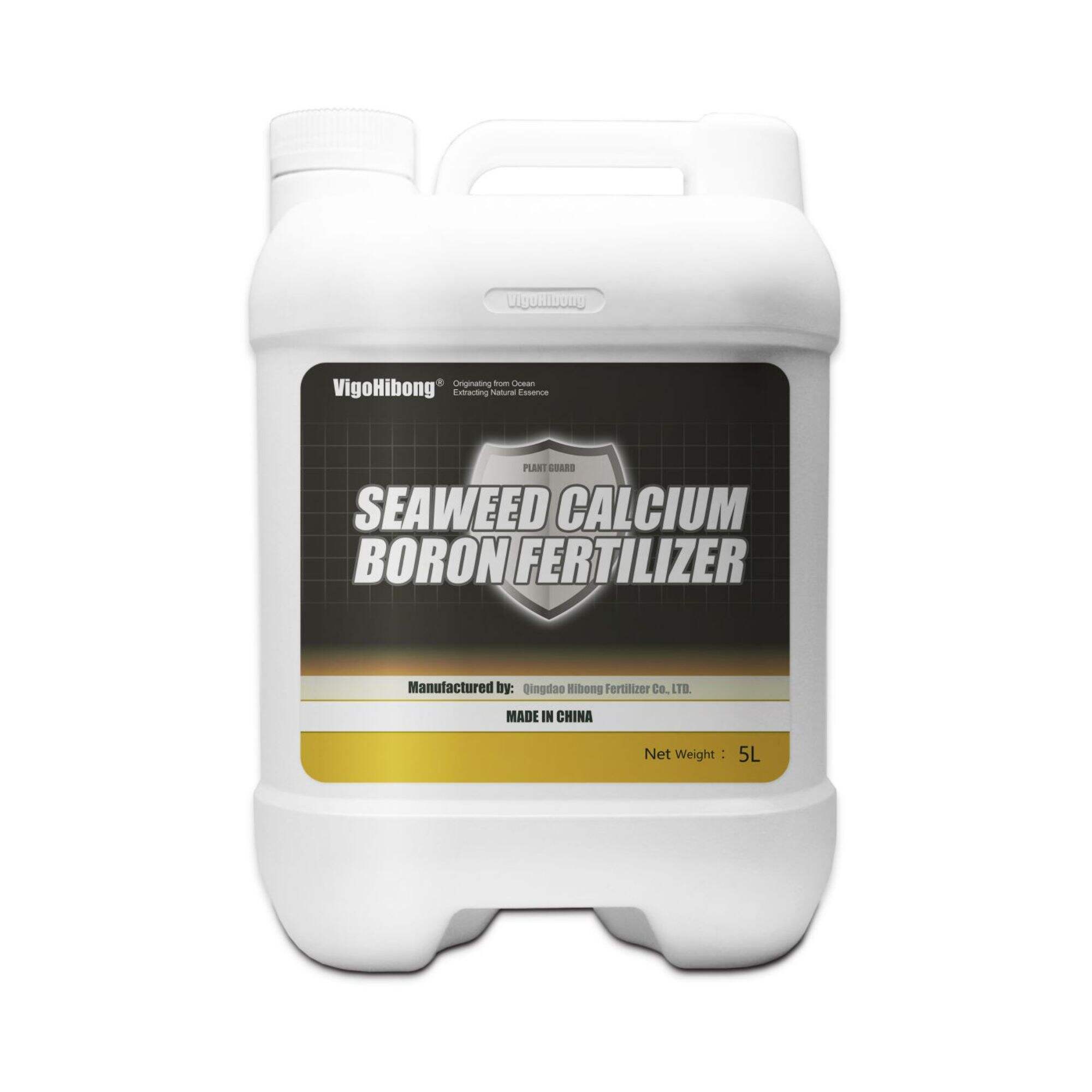 Seaweed Calcium Magnesium Liquid Fertilizer
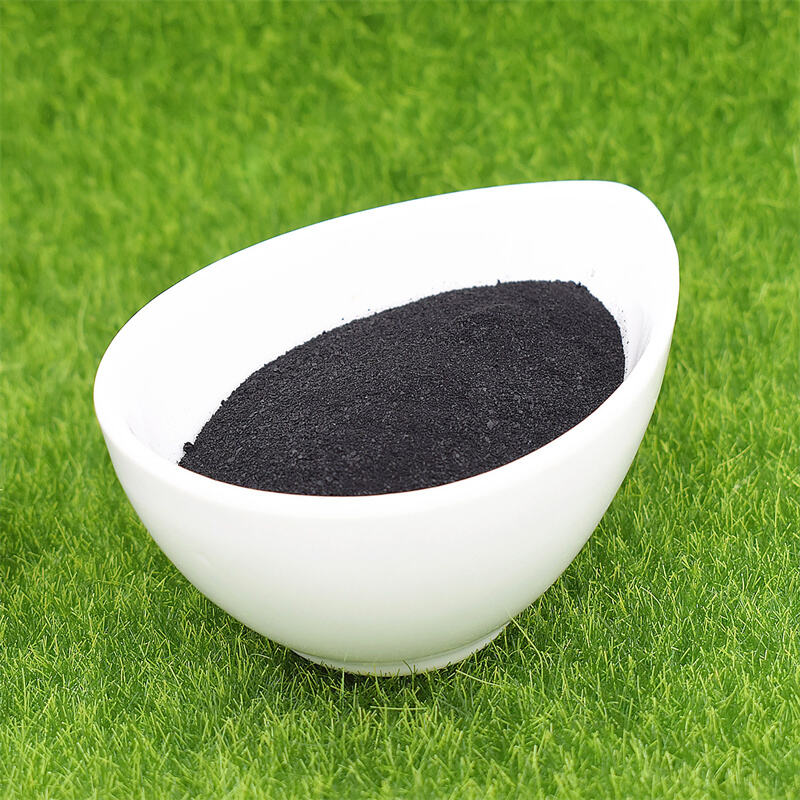 Seaweed Extract Powder
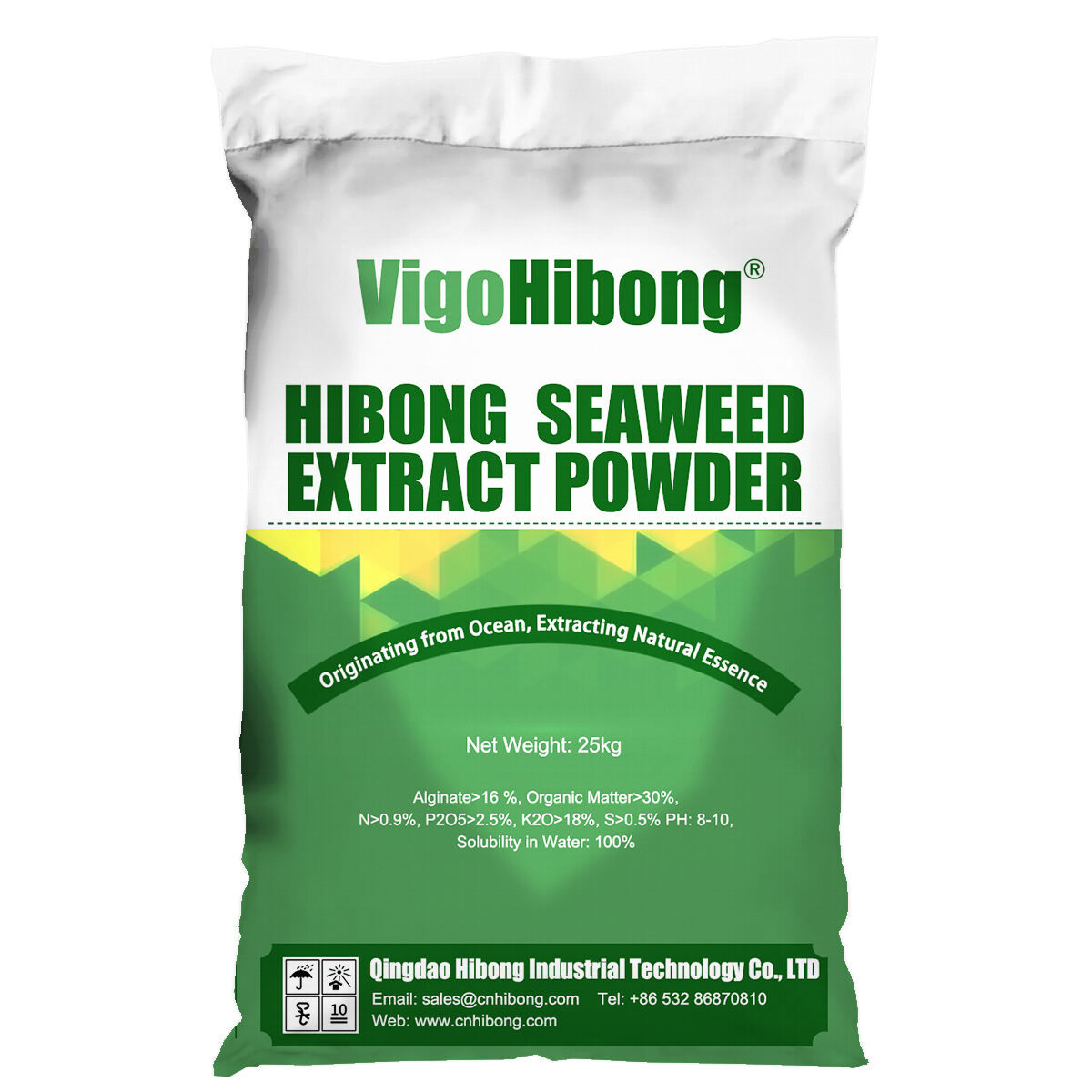 Seaweed Extract Flake
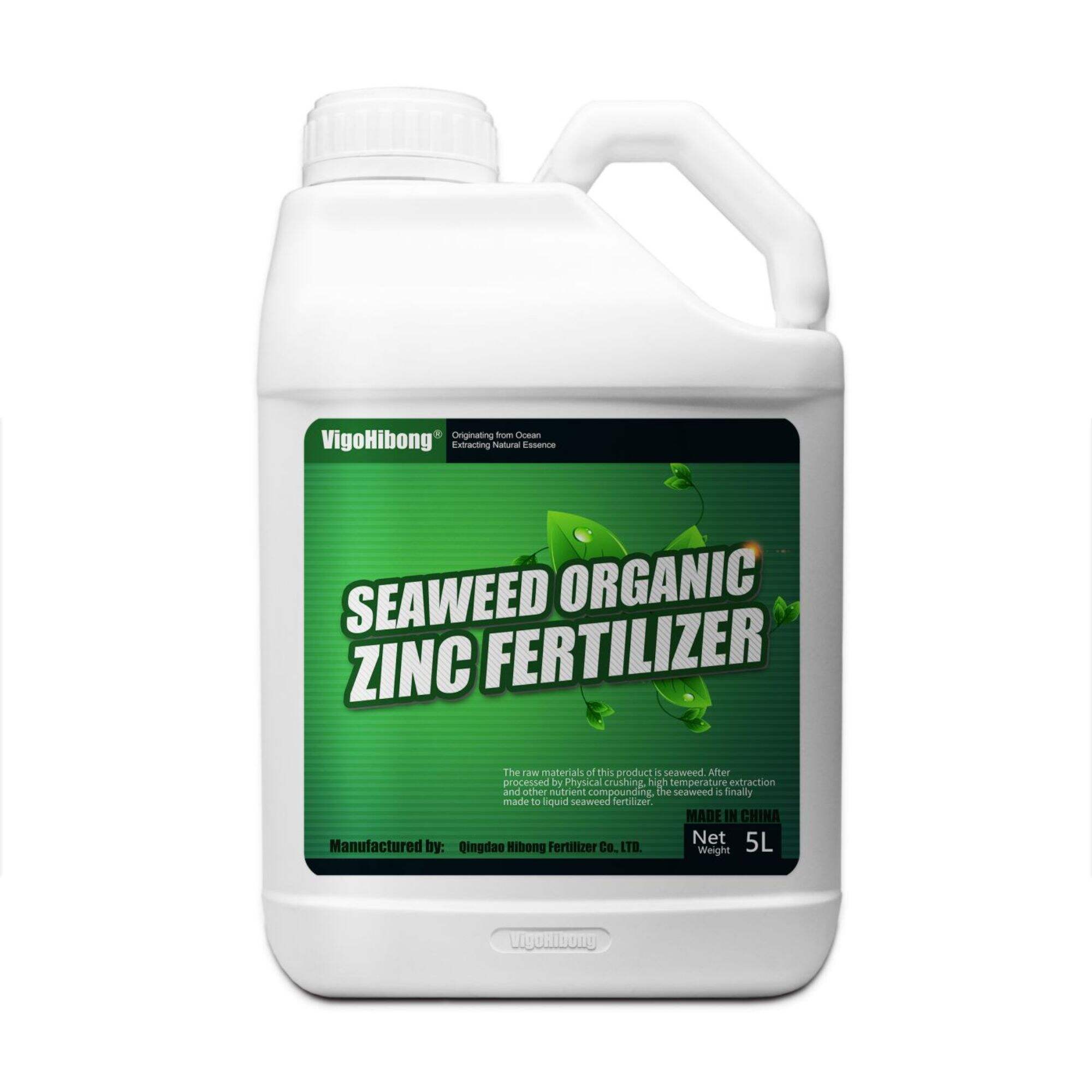 Seaweed Znic Liquid Fertilizer
 Seaweed Liquid Silicon Fertilizer
 Liquid Seaweed Fertilizer
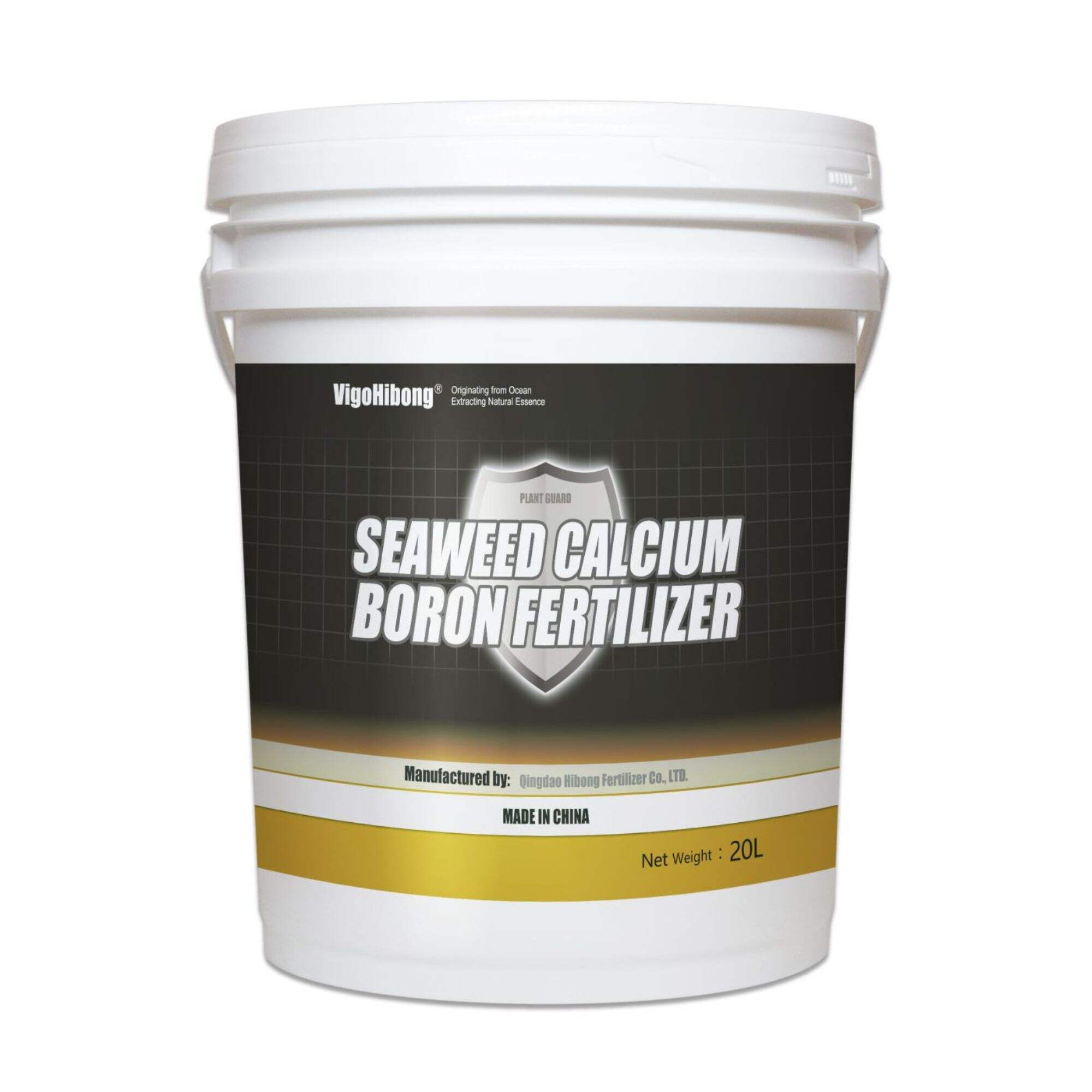 Seaweed Organic Liquid Calcium Boron Fertilizer
 L-Cystine
 L-leucine
 L-Cysteine
  L-Arginine
 L-Lysine
 L-Thioproline
 Aluminium sulphate
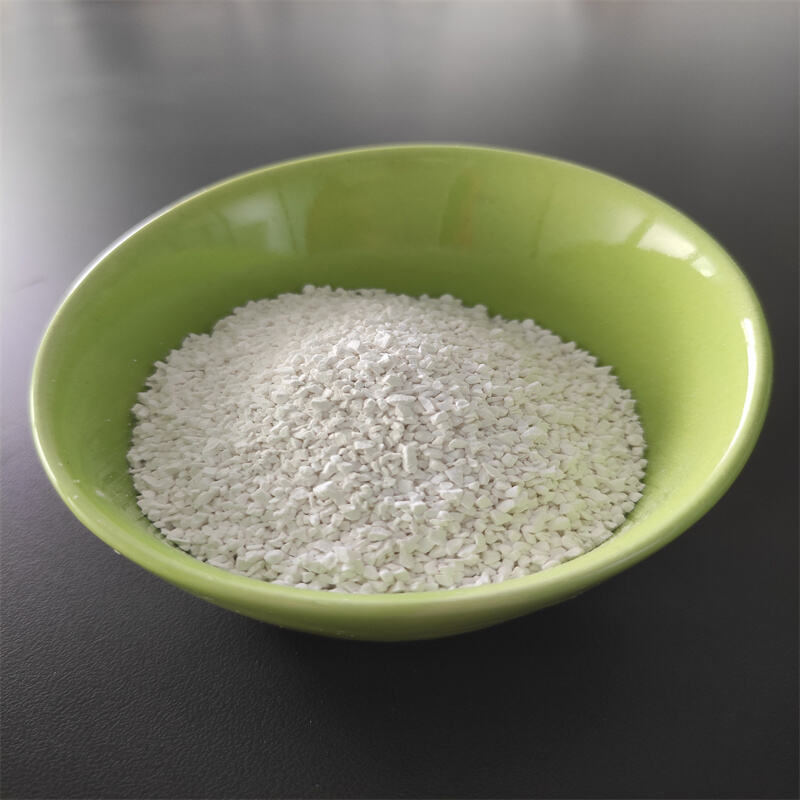 Calcium hypochlorite
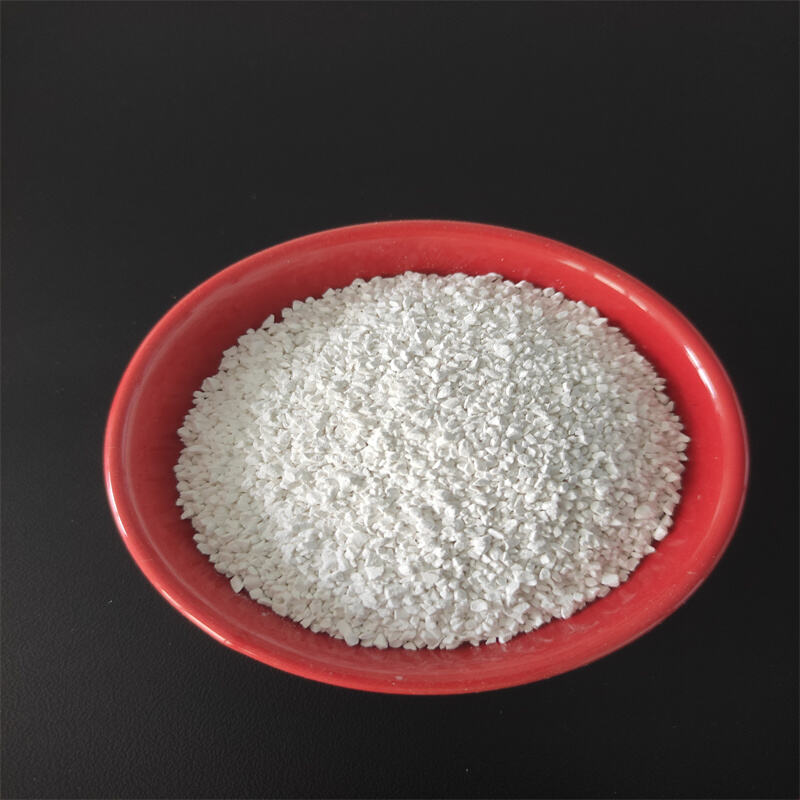 Chlorine dioxide
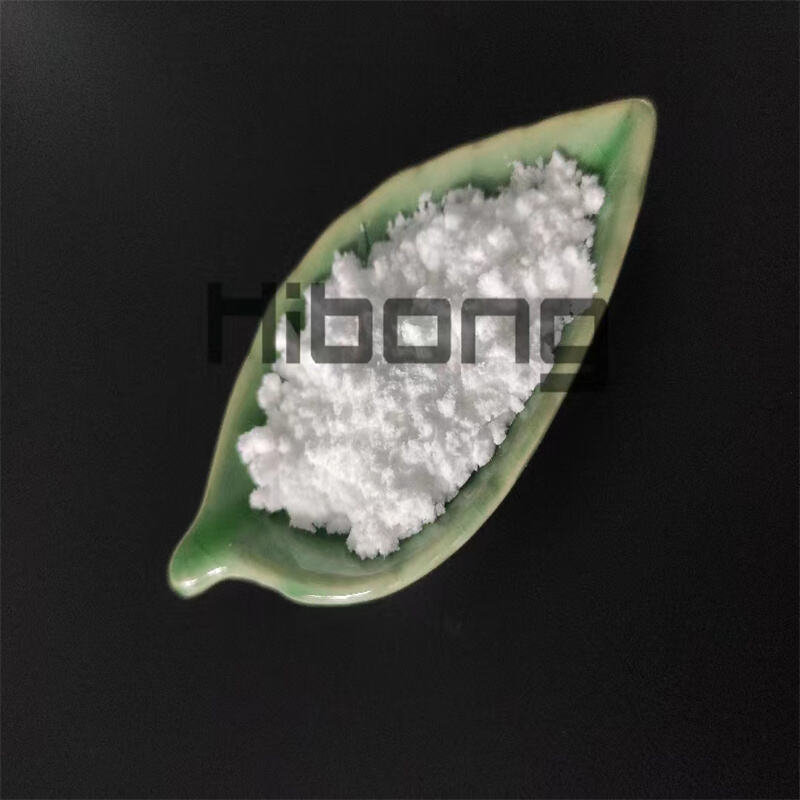 Cyanuric acid
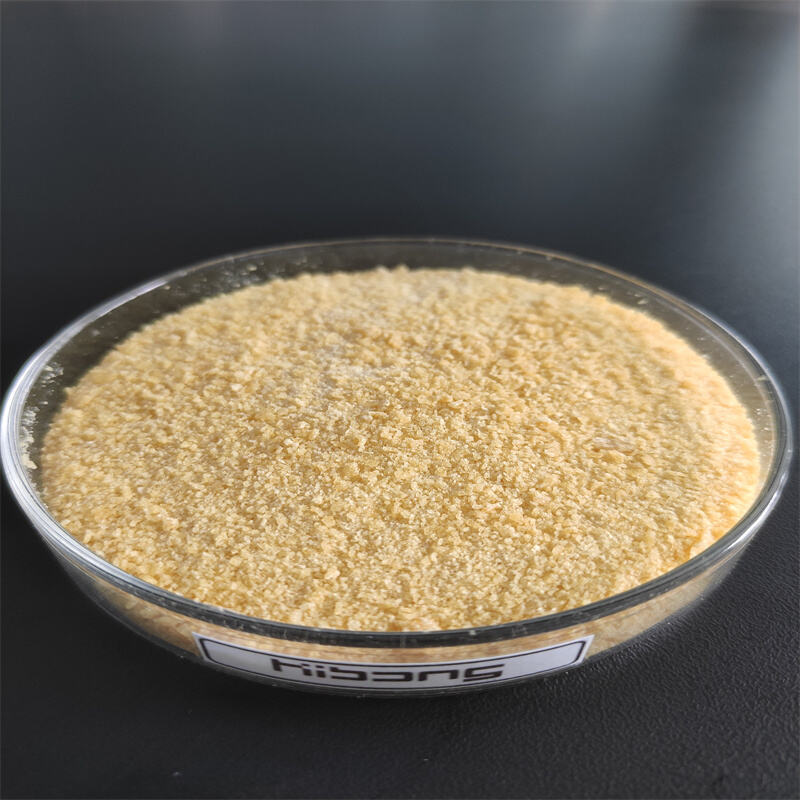 Polyaluminum Chloride
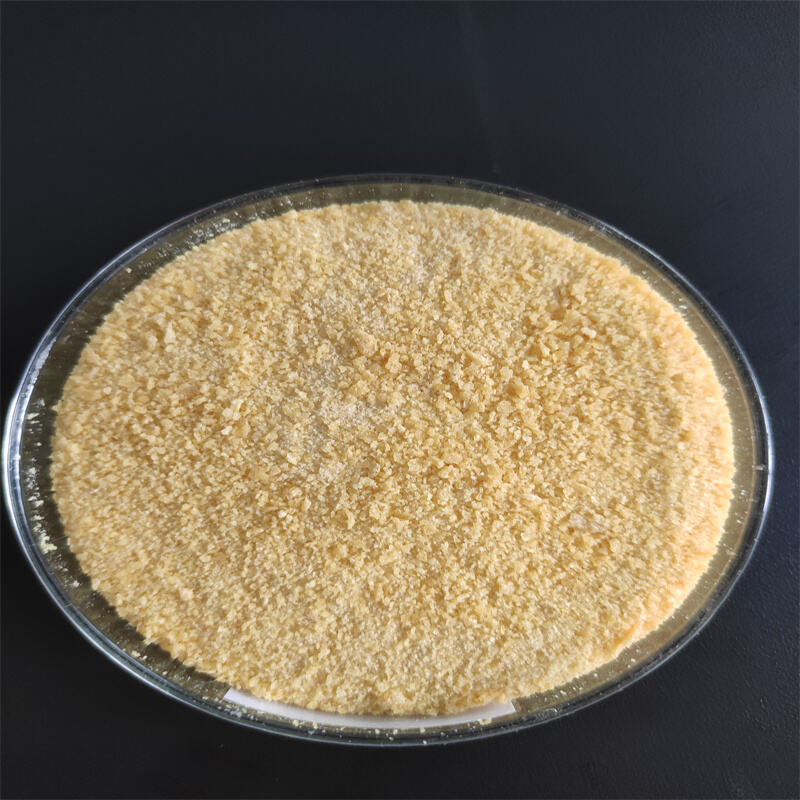 Polyacrylamide
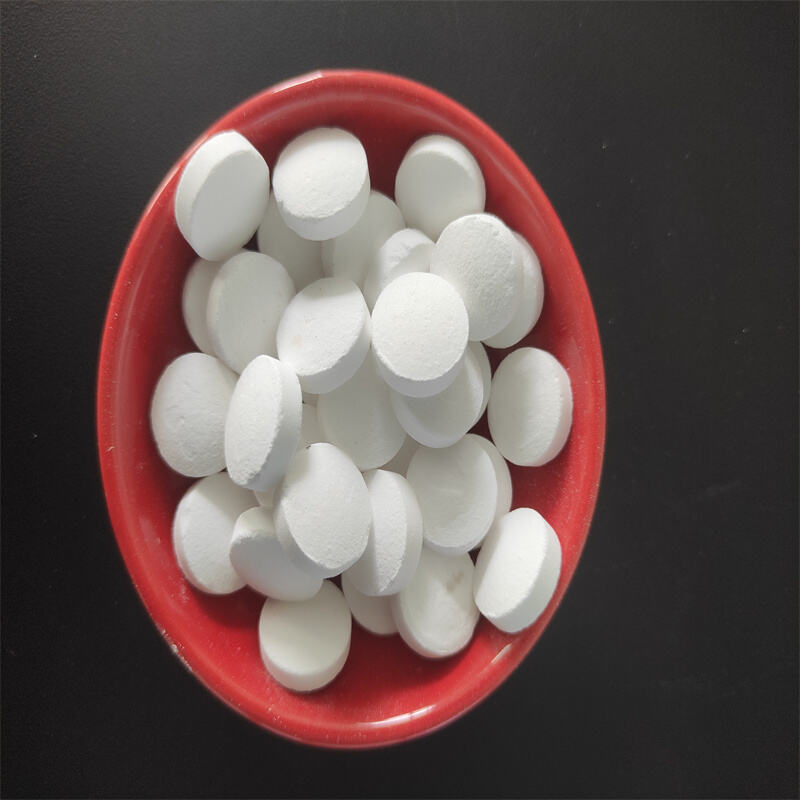 Sodium Dichloroisocyanurate (SDIC)
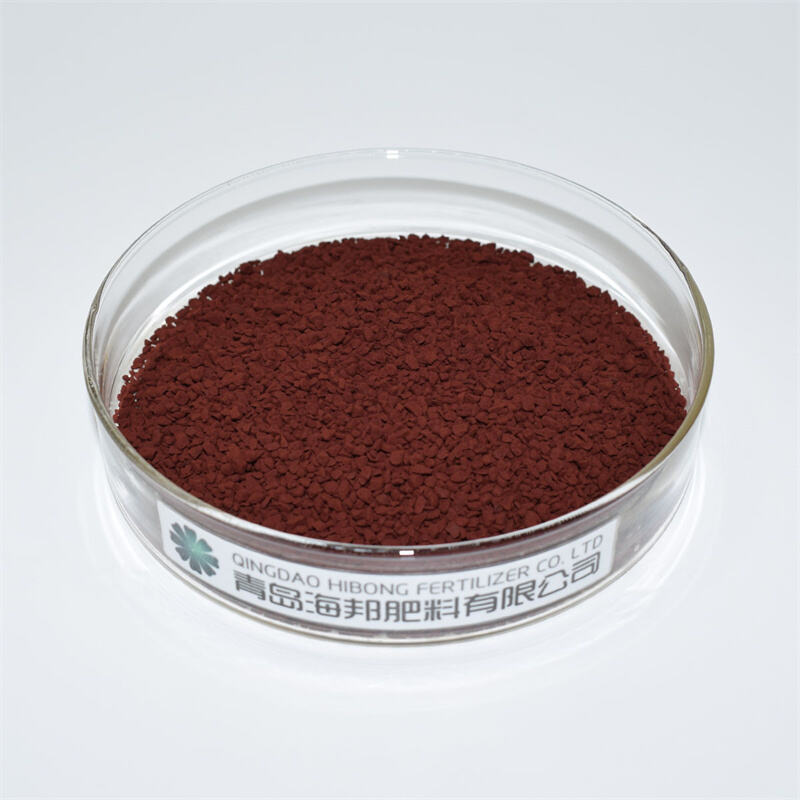 EDDHA Fe Powder
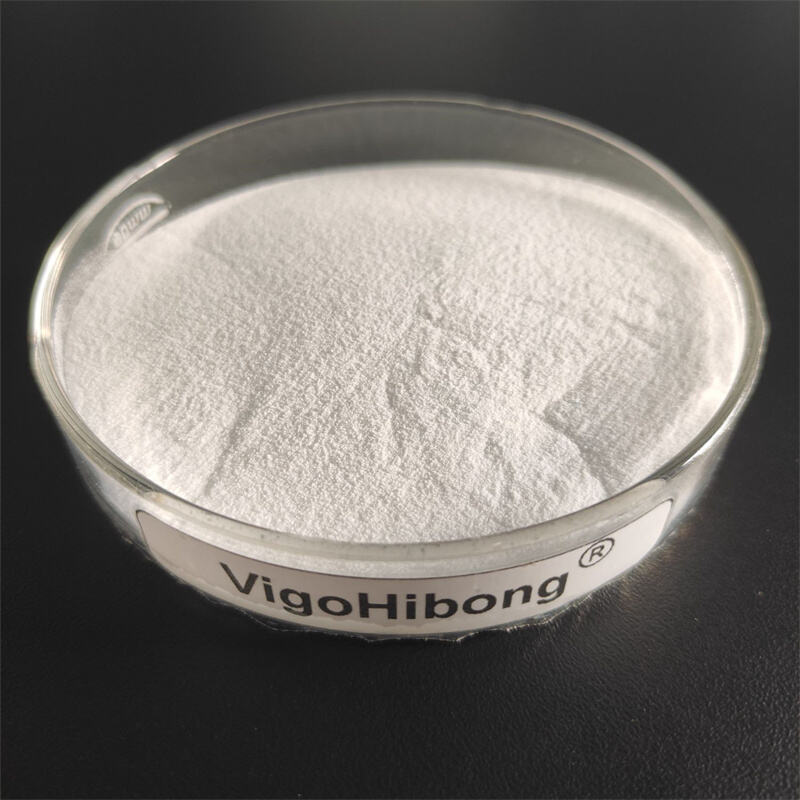 EDTA 2NA
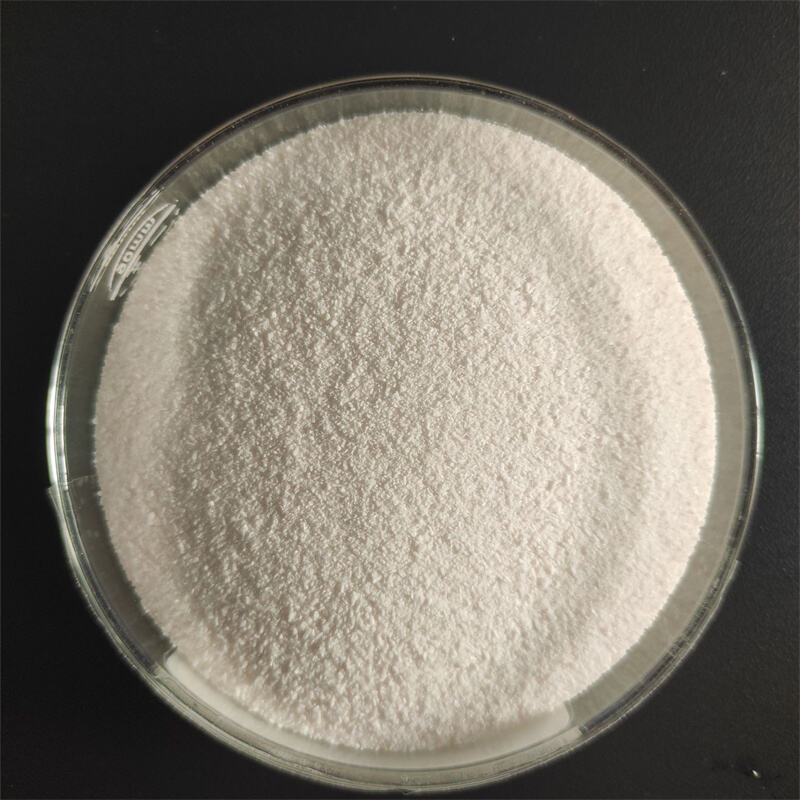 EDTA 4NA
 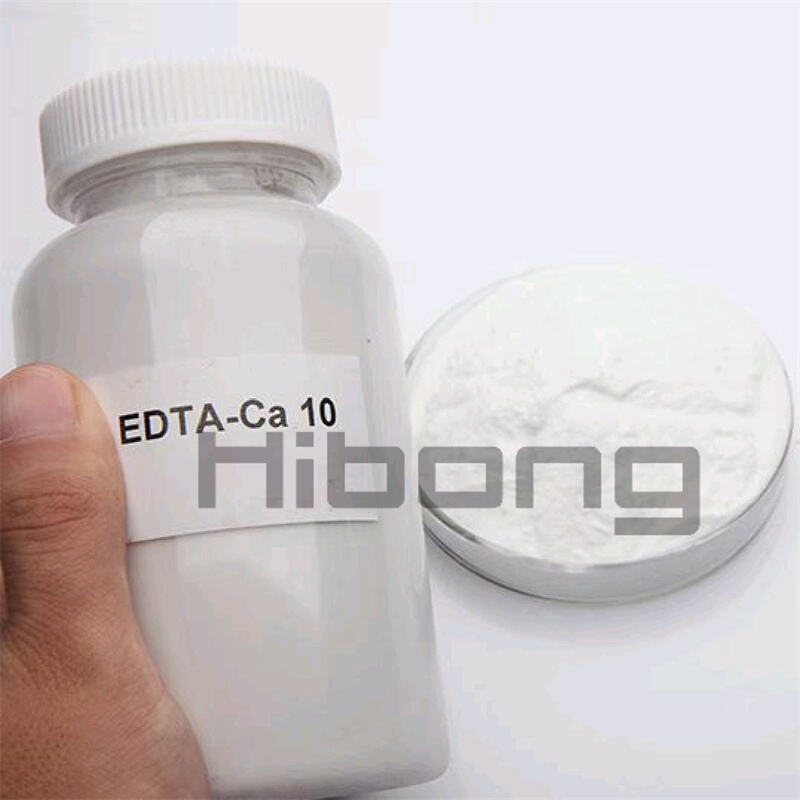 EDTA Ca
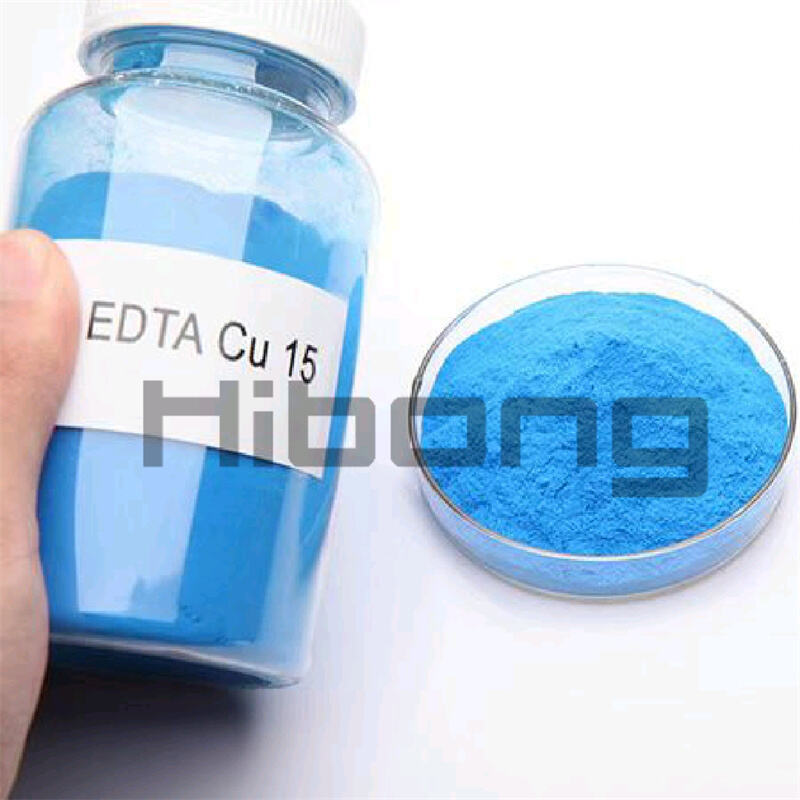 Edta Cu 13%
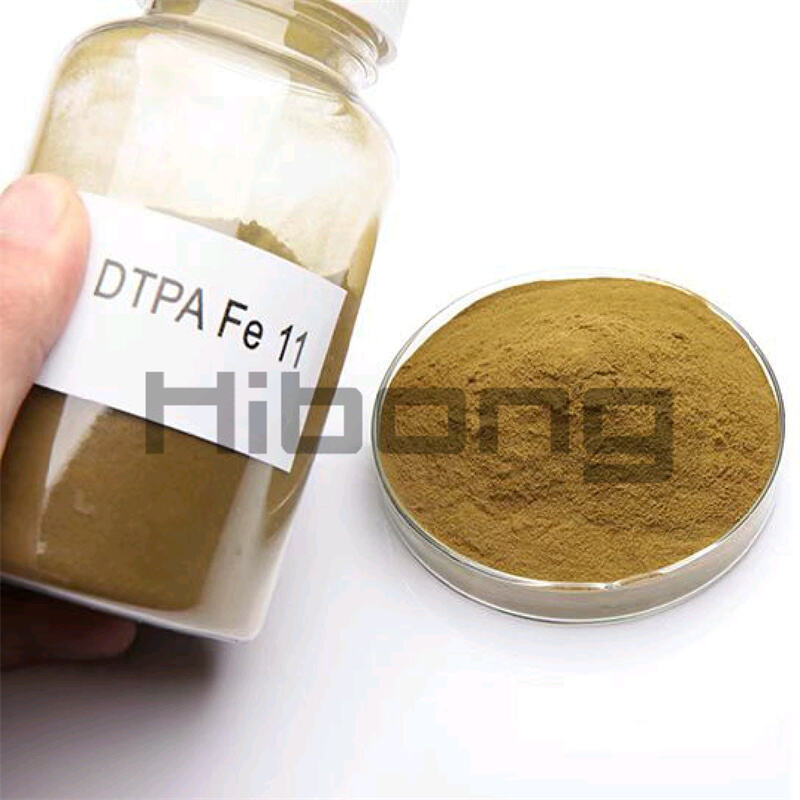 EDTA Fe
 EDTA Mg
 EDTA Mn
 6-benzaminopurine(6BA)
 GA3 4% EC Liquid
 GA3 10% TB 10g Tablet
 GA3 90% TC Powder
 Diethylaminoethylhexanoate(DA6)
 Paclobutrazol 15%WP powder
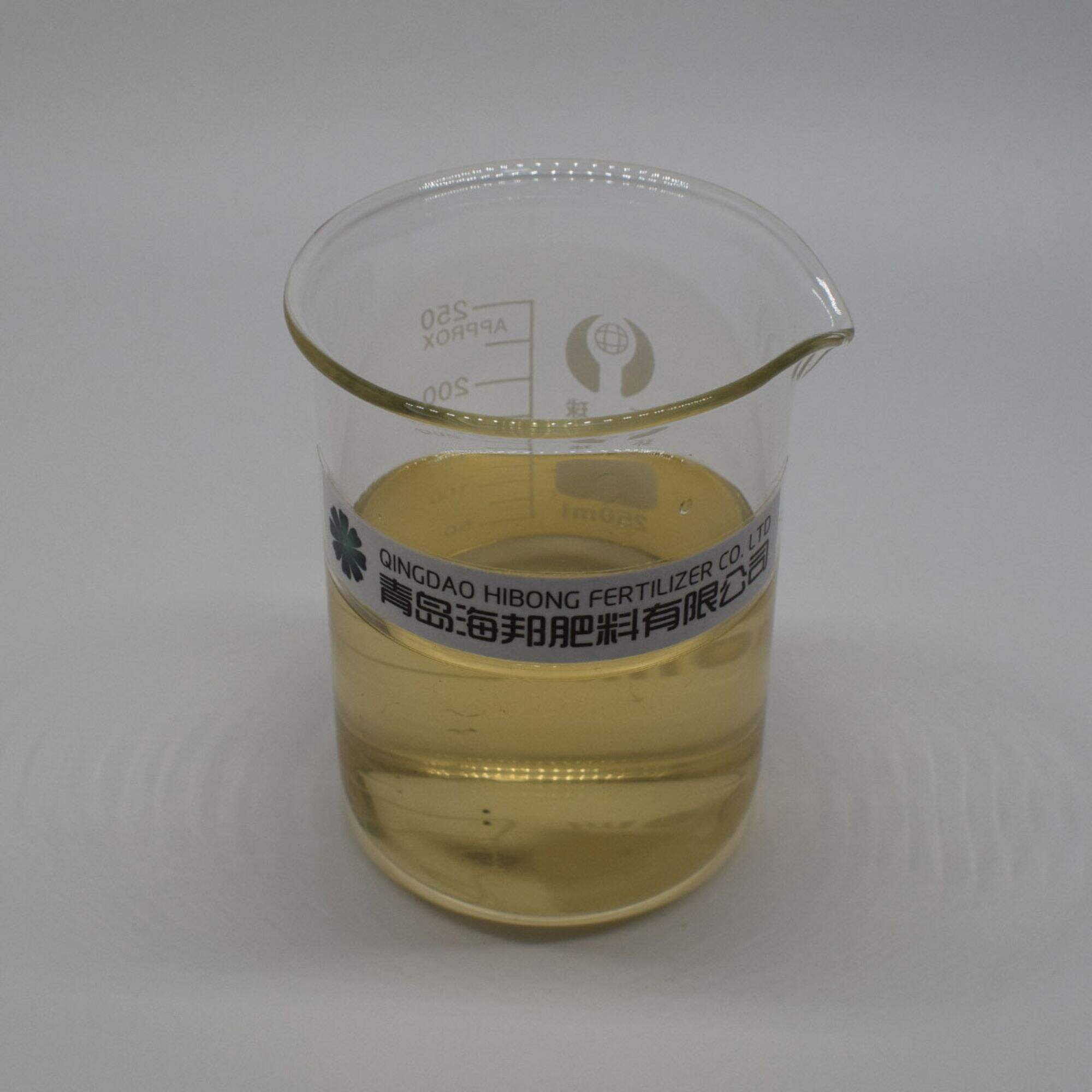 Paclobutrazol 25% suspension concentrate

Choosing the right polyacrylamide for your plant can be tricky sometimes. Polyacrylamide are a special chemical use in farming and gardening to aid with water holding and soil build. There is two main types: anionic and cationic. Anionic one work good for most soils, while cationic is better in some cases. Each have their benefits. At Shellight, we know picking the right one matter for your plants, so we here to help you get the differences!
How to Choose Between Anionic and Cationic Polyacrylamide for Soil Types
When deciding between anionic and cationic polyacrylamide, think on your plants kind and the soil they in. Anionic polyacrylamide often suggest for sandy and loamy soils. It help hold water and nutrients, great for crops needing much moisture. If plants like wet spots, anionic might go the way. Cationic polyacrylamide, other hand, stick to clay soils well. This useful if soil heavy and drain poor. It clump soil, improve air flow and root grow. At Shellight, we say test soil first. Know if sandy, loamy or clay will guide choosing right product. Also, think plants needs. Some like dry, others thrive wet. Match type to plants can big differ in health.
Best Practices for Using Polyacrylamide in Agriculture for Healthy Plant Growth
When use polyacrylamide, keep few things mind. First, always follow package instructions to avoid too much or too little. If use too much, it create barrier in soil, stop roots get air and water they need. Second, know how it interact with other soil add-ons. For example, mix with fertilizers might change how fertilizers work. Last, weather affect how well it work. If rain lot, product might wash away or not effective. At Shellight, we recommend check forecast when plan apply. With this, you make most of plants and ensure they grow strong healthy.
What Are Benefits of Anionic Polyacrylamide in Industrial Uses?
Anionic polyacrylamide, call APAM, is special chemical for many industries. One big benefit is help water treatment. In factories, dirty waters need clean before back to rivers or lakes. APAM pull out dirt and small particles, make water clean. This important because clean water good for enviroment and keep fish plants healthy.
Another good thing about APAM is aid in making paper and oil products. In paper process, it bond fibers, make stronger paper. For oil pull, APAM improve oil flow, so more oil collect from ground. This lead better production and more profit for companies.
APAM also help in farming. Farmers use to better soil for crops. Add APAM to soil, it hold water better. Especial helpful in dry places where water scarce. Plants with enough water grow better and make more food. So using APAM can feed more people.
Last, APAM safe when handle right. Industries trust it because improve processes without harm to people or planet. That’s why many choose Shellight's anionic polyacrylamide for needs.
Best Practices for Anionic and Cationic Polyacrylamide?
Use anionic and cationic polyacrylamide right is key for best results. First, know which type you need. Anionic work best in alkaline, while cationic better in acidic. Understand pH of water or soil help choose right one.
When use, follow Shellight instructions. Measure right amount and mix proper. Too much cause problems not help. Start small amount and see how work before add more. Mix APAM with water first good, because it dissolve better and effective more.
Safety important too. Wear gloves and mask handling these. Even safe general, better cautious. Work in ventilate area. After, wash hands and tools.
Store products proper in cool dry place, away sun. This keep effective longer. Last, track how much use over time. Help understand what best for plant and adjust if need. Follow this, get most from both types.
Where to Get Advice on Polyacrylamide for Plant Needs
Picking right polyacrylamide for plant confusing. Lucky, ways to find expert help. Best start with Shellight team. They experts on anionic and cationic. Reach them via website or phone. They help which best for your needs.
In addition, go to industry conferences or workshops. Events have experts talk trends in water treat and apps. Ask questions, learn from others experience. Network with pros give good advice.
Online good too. Websites and forums have articles or questions on polyacrylamide. People share tips there. Just check reliable source.
Last, talk local ag extension or environment agency. They give guide on chemical use in region. Use these, make smart choice for polyacrylamide, get best results.
Table of Contents
- How to Choose Between Anionic and Cationic Polyacrylamide for Soil Types
- Best Practices for Using Polyacrylamide in Agriculture for Healthy Plant Growth
- What Are Benefits of Anionic Polyacrylamide in Industrial Uses?
- Best Practices for Anionic and Cationic Polyacrylamide?
- Where to Get Advice on Polyacrylamide for Plant Needs