 EN
EN
 AR
AR
 FR
FR
 KO
KO
 PT
PT
 RU
RU
 ES
ES
 ID
ID
 SW
SW
 BN
BN

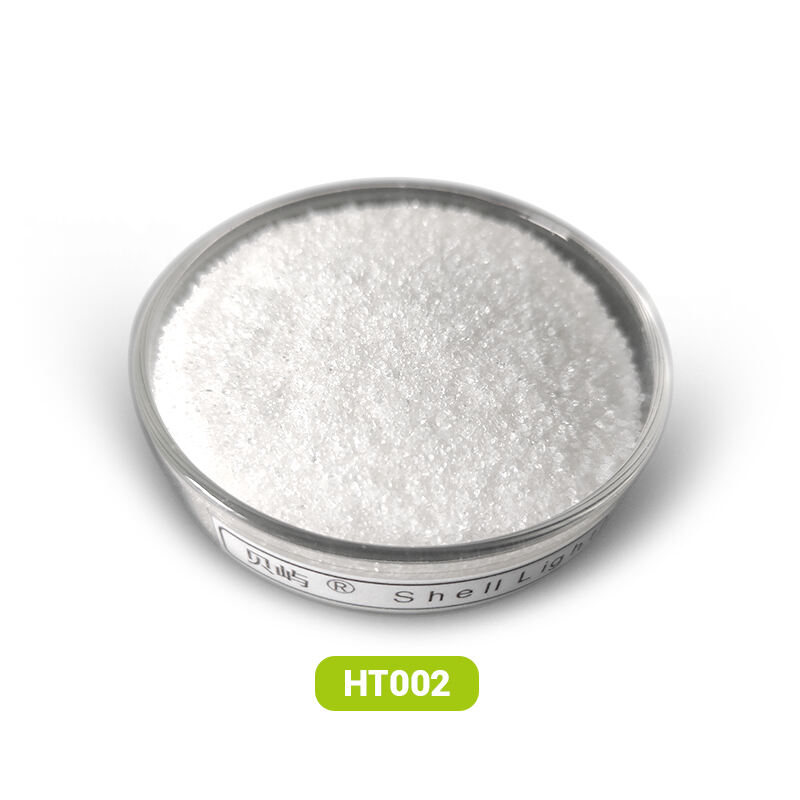 Super Water Absorbent Polymer Potassium Polyacrylate
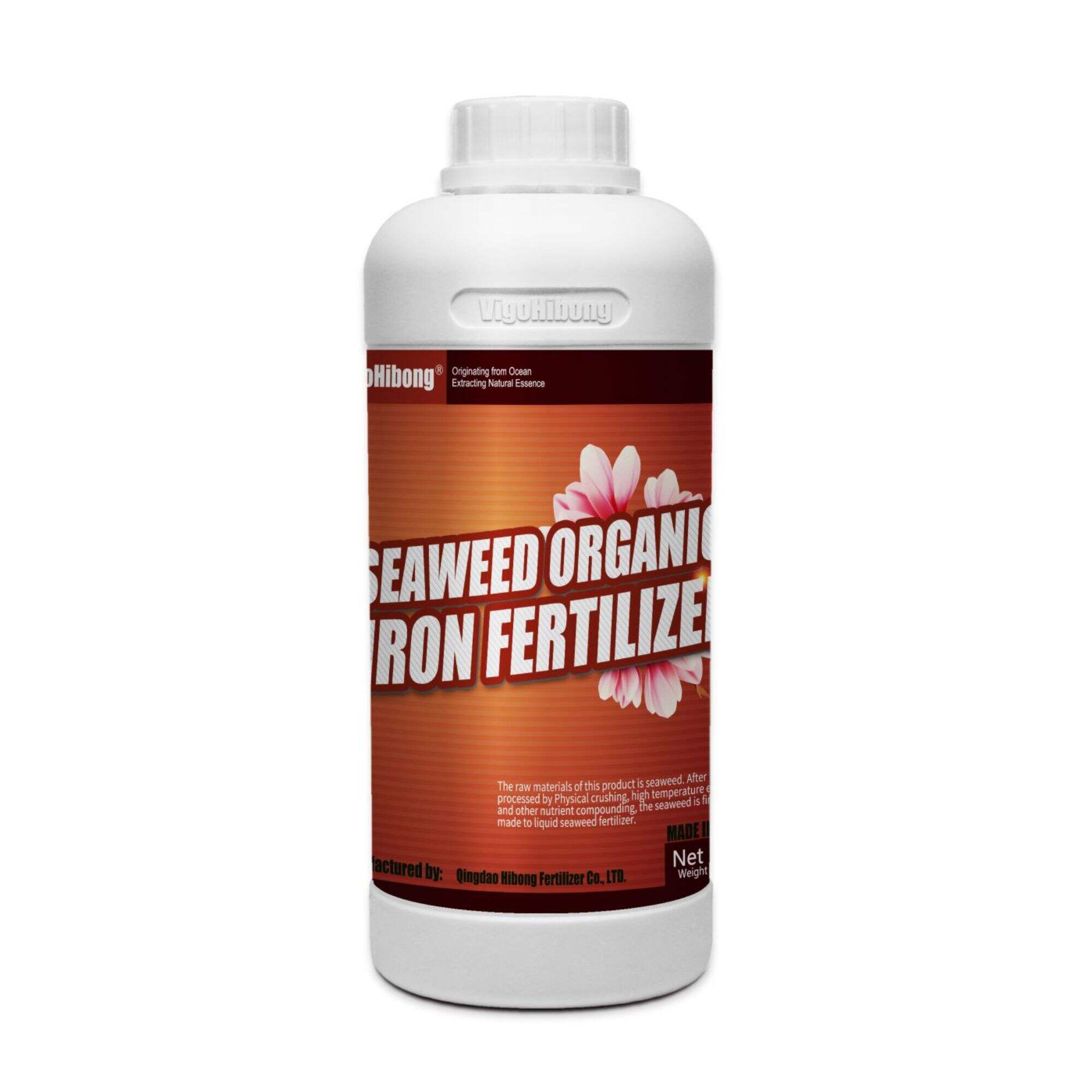 SEAWEED CHELATED IRON LIQUID FERTILIZER
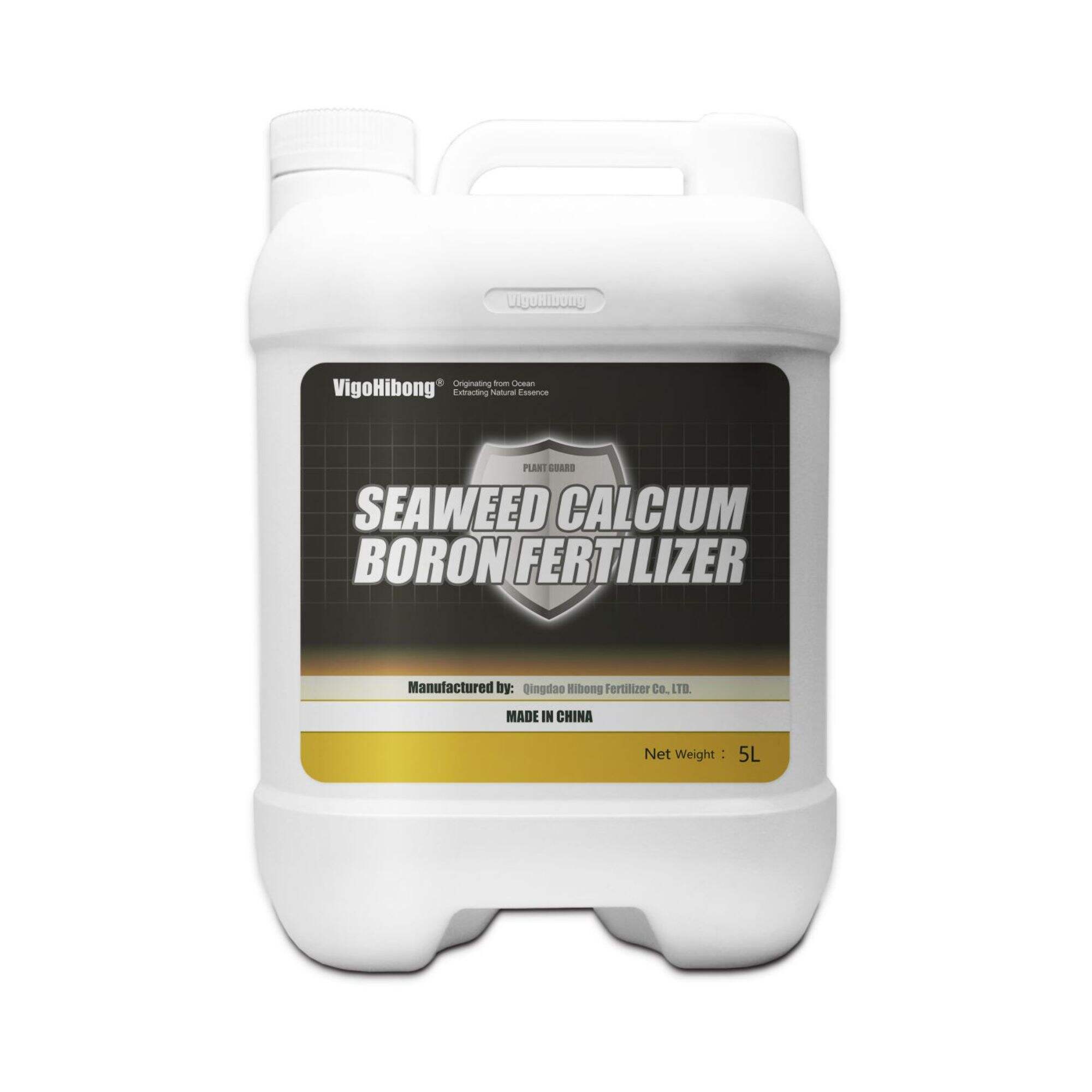 Seaweed Calcium Magnesium Liquid Fertilizer
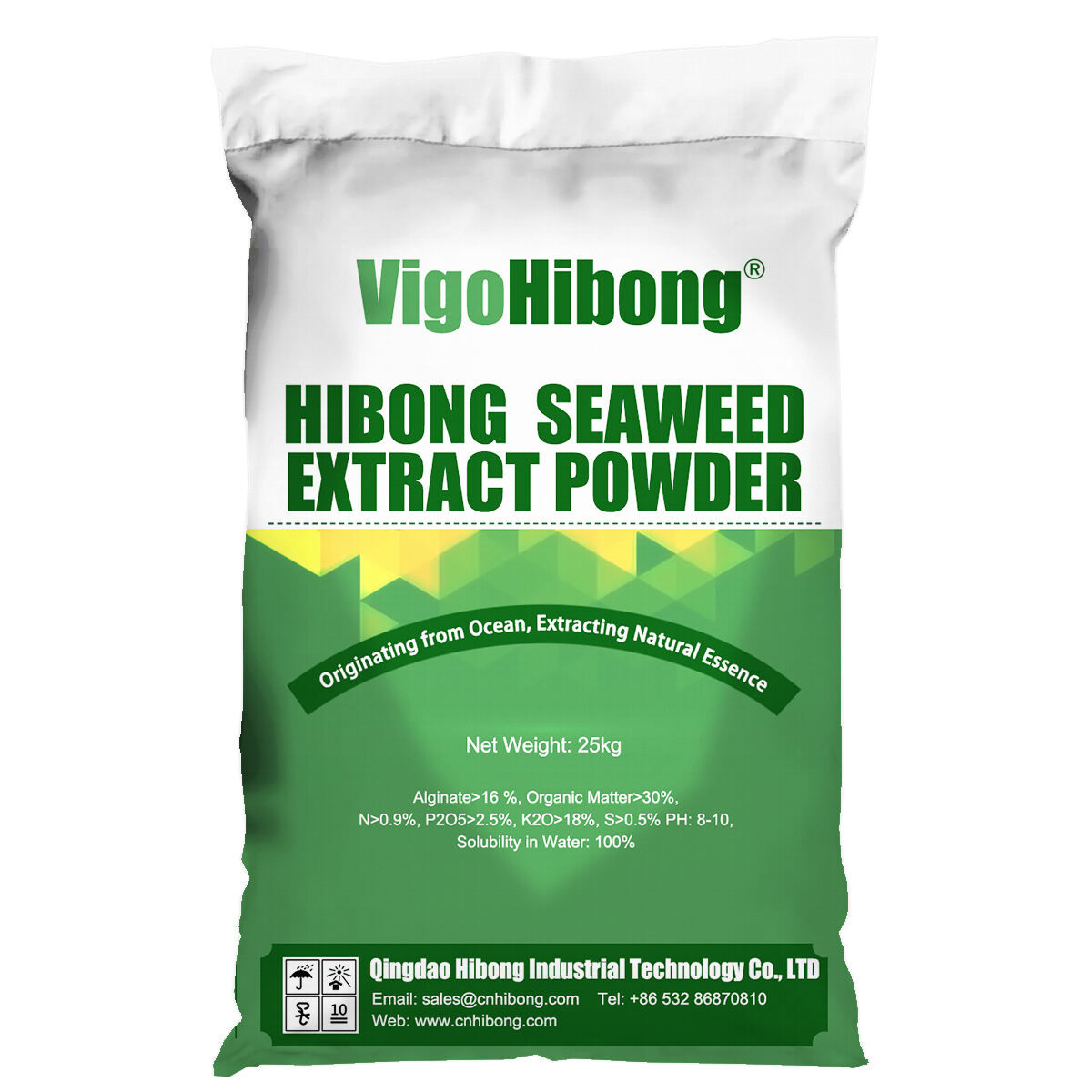
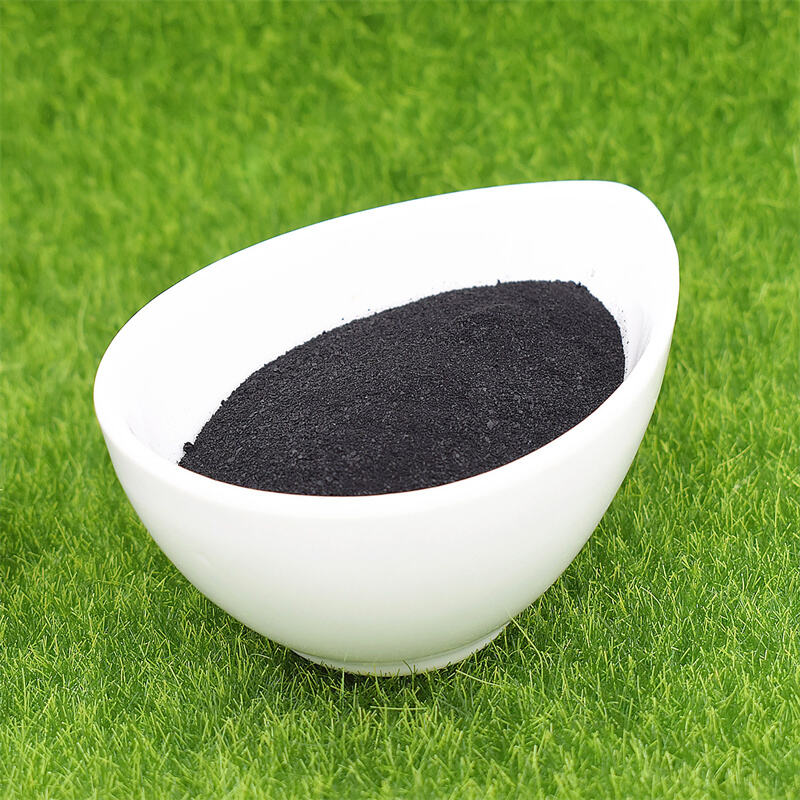 Seaweed Extract Powder
 Seaweed Extract Flake
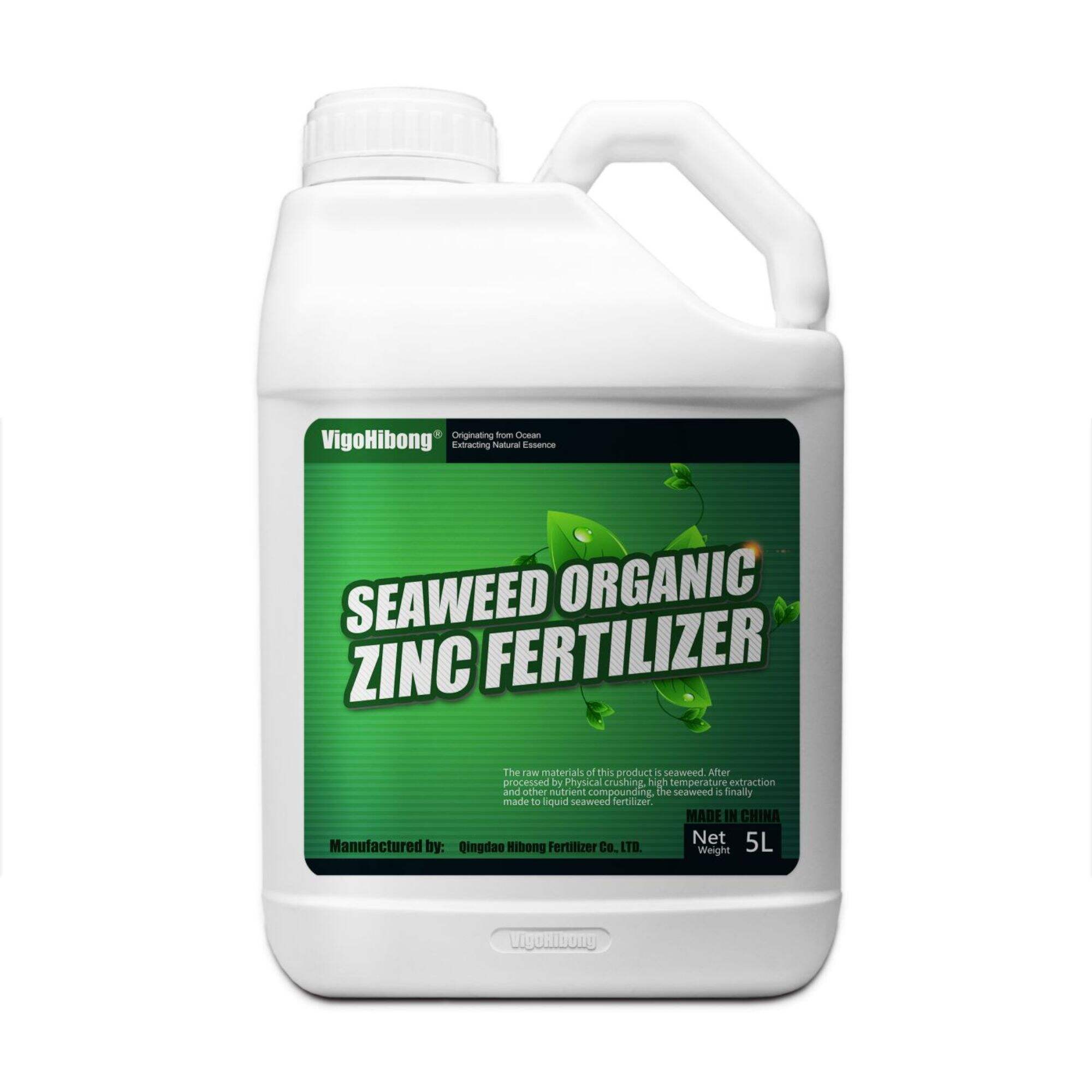 Seaweed Znic Liquid Fertilizer
 Seaweed Liquid Silicon Fertilizer
 Liquid Seaweed Fertilizer
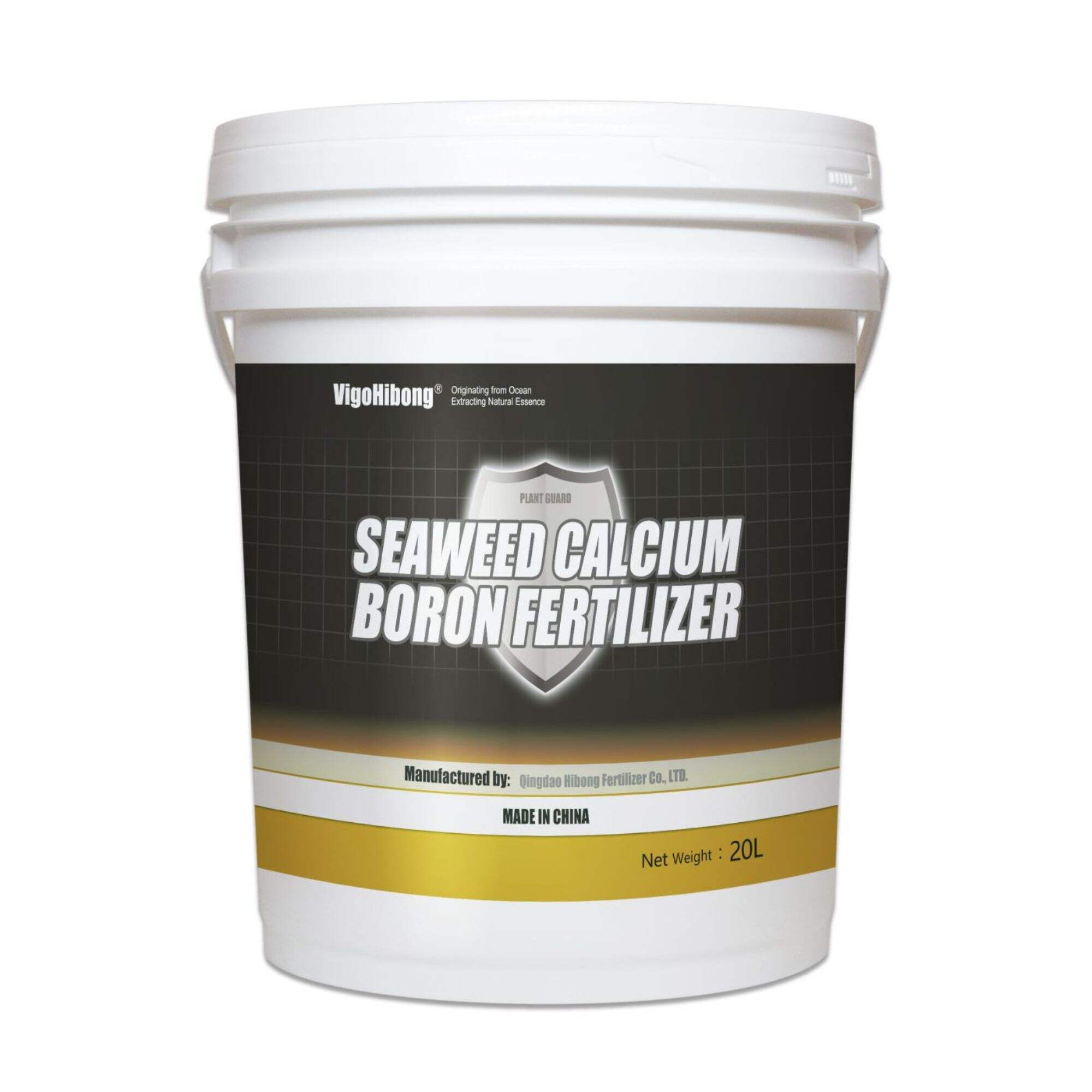 Seaweed Organic Liquid Calcium Boron Fertilizer
 L-Cystine
 L-leucine
 L-Cysteine
  L-Arginine
 L-Lysine
 L-Thioproline
 Aluminium sulphate
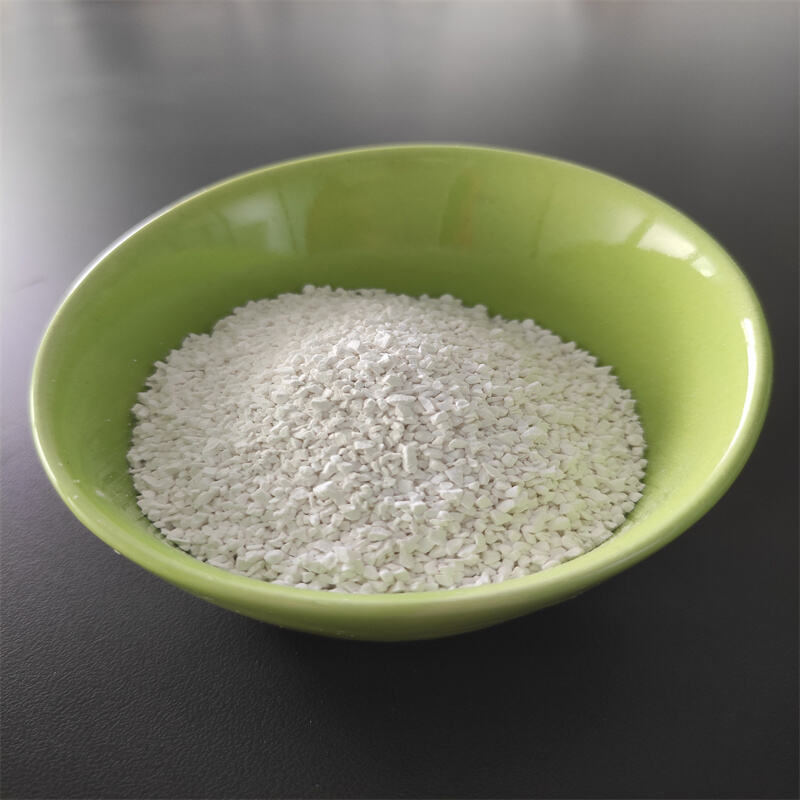 Calcium hypochlorite
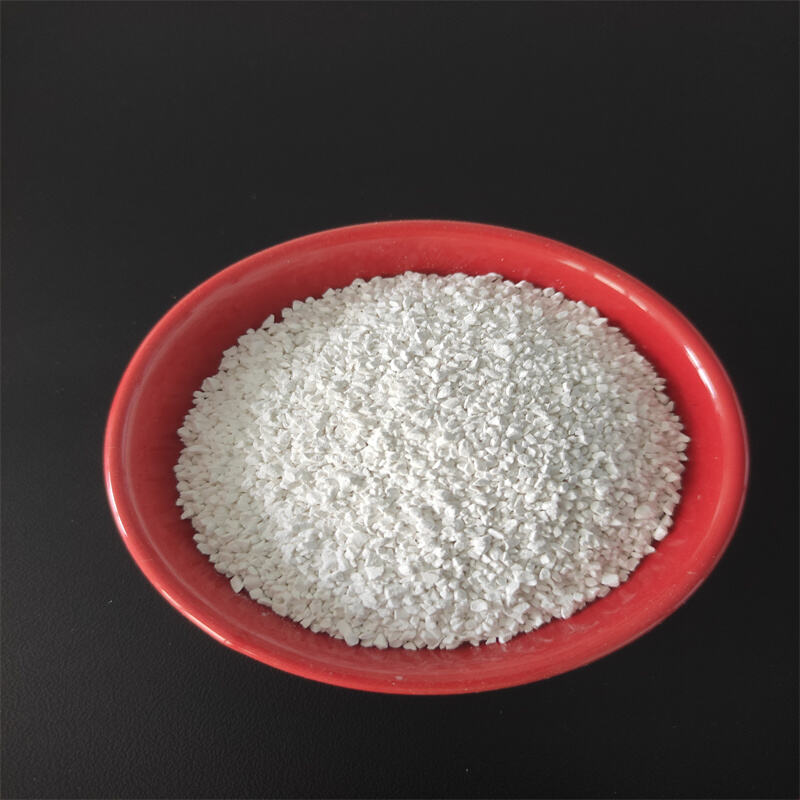 Chlorine dioxide
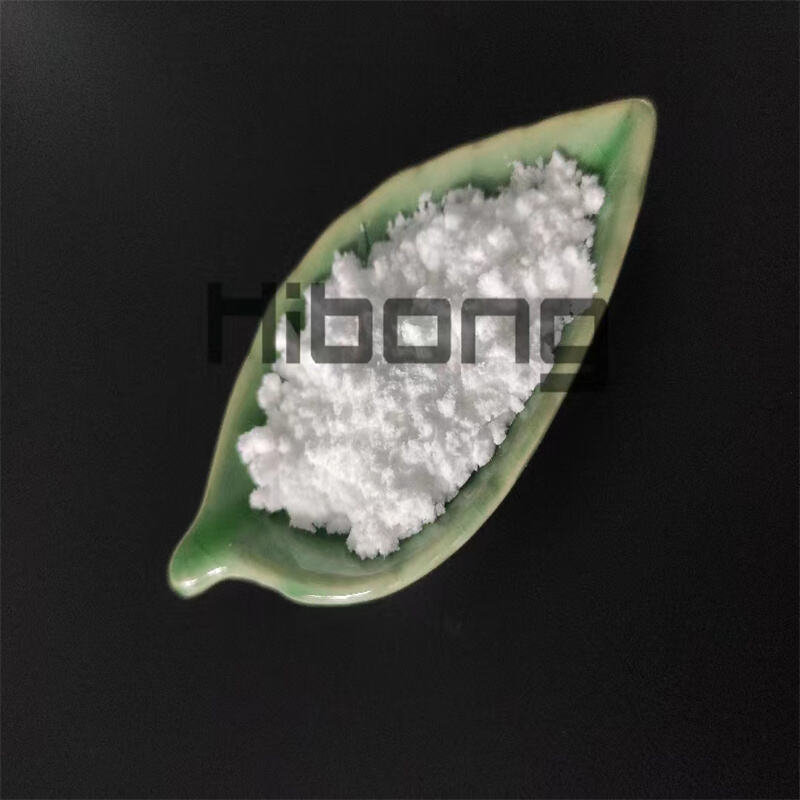 Cyanuric acid
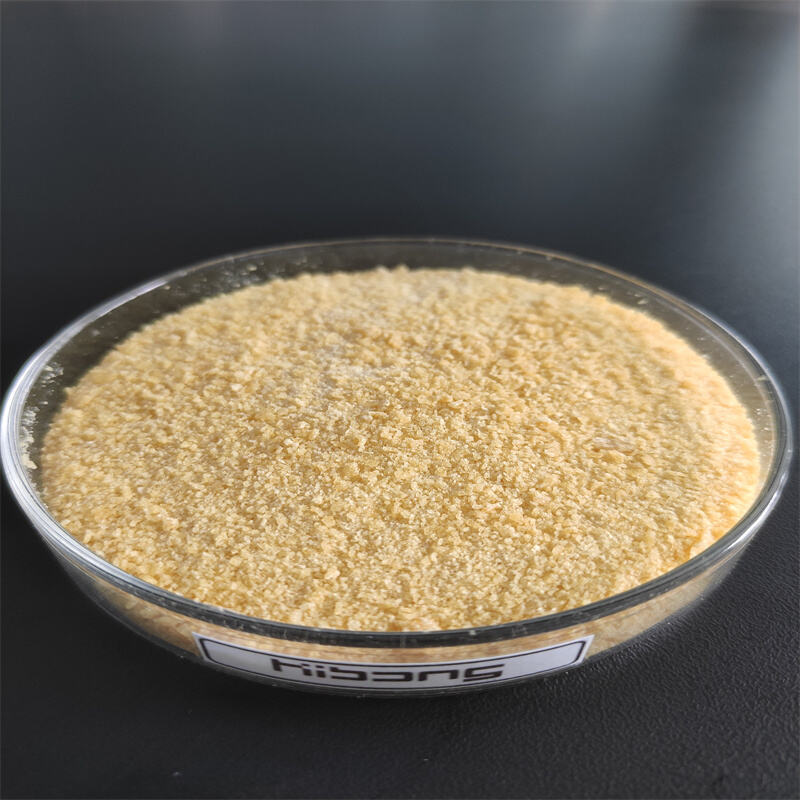 Polyaluminum Chloride
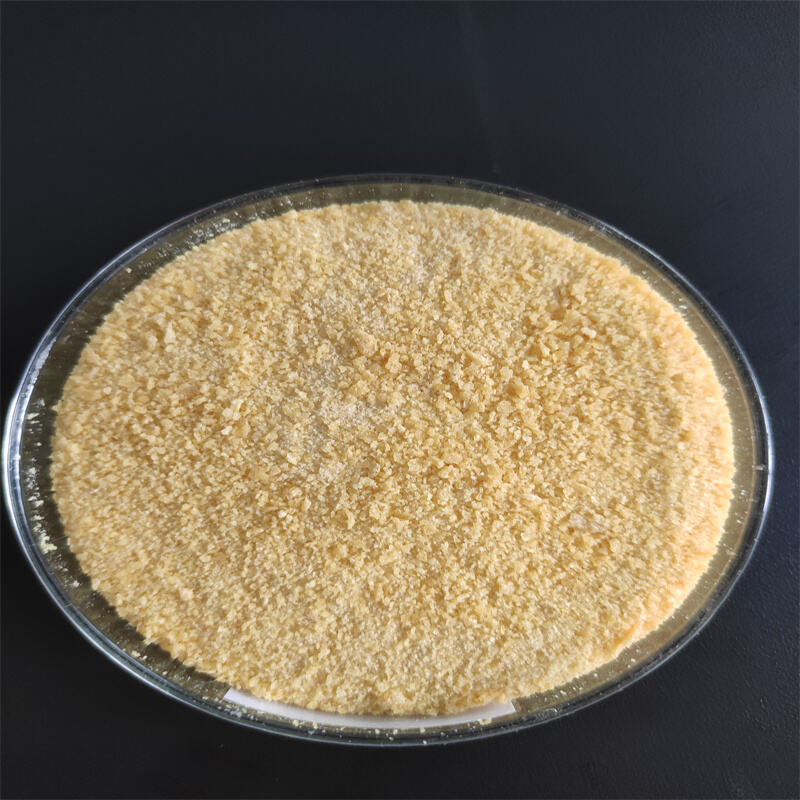 Polyacrylamide
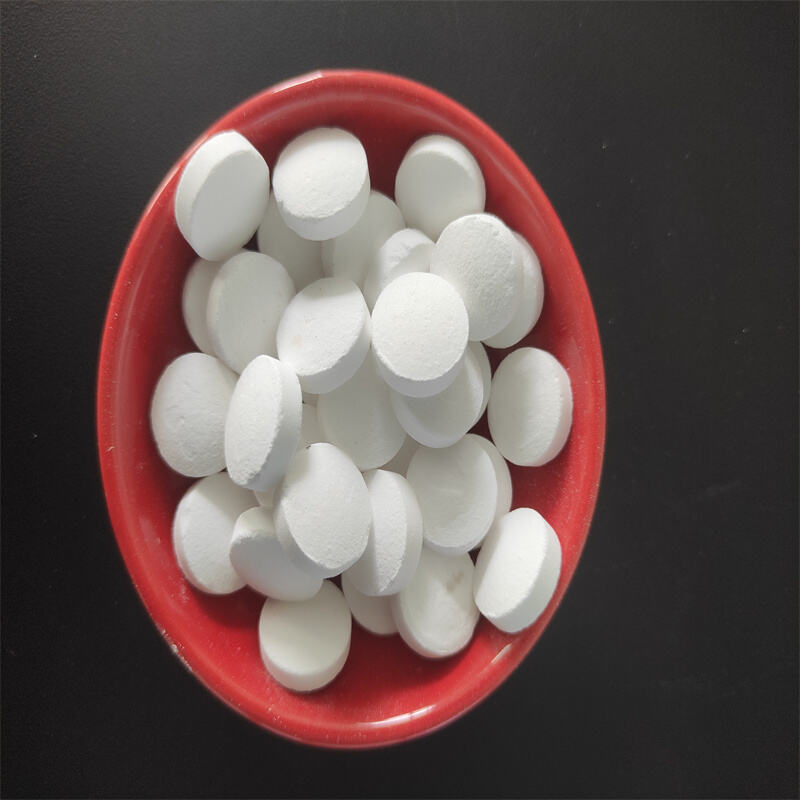 Sodium Dichloroisocyanurate (SDIC)
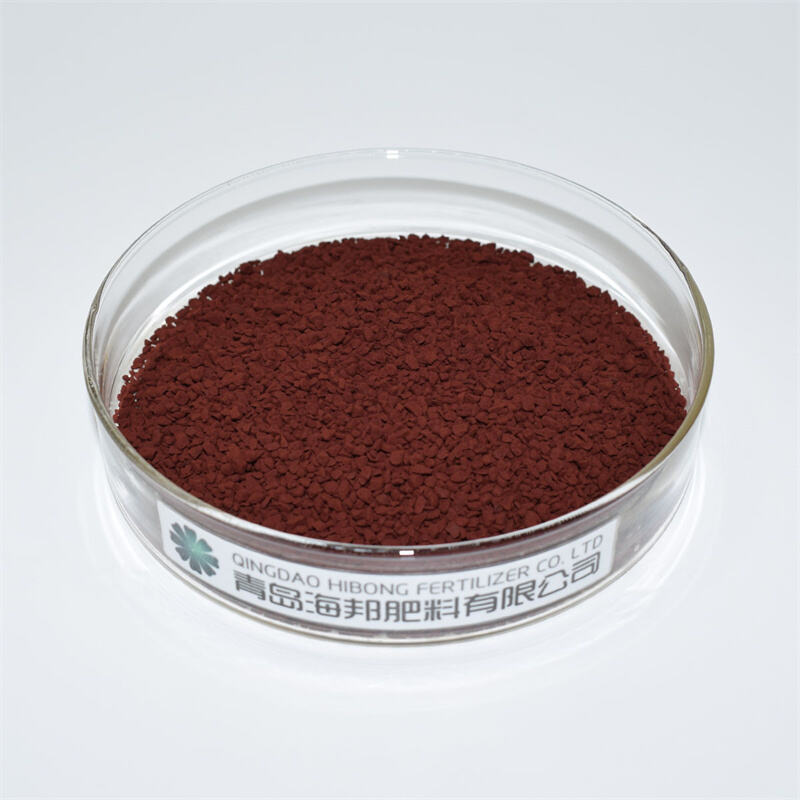 EDDHA Fe Powder
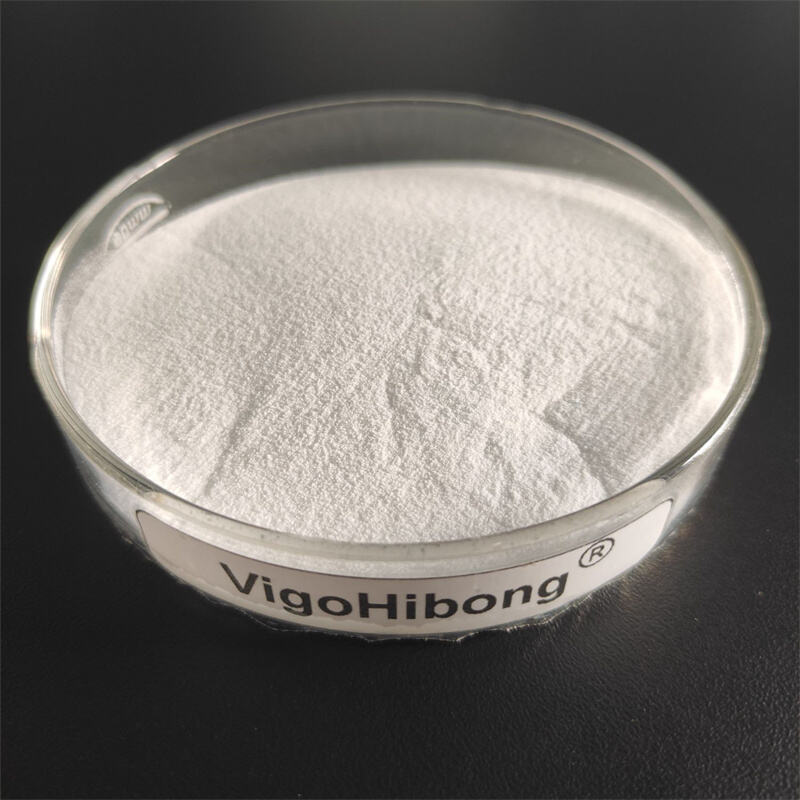 EDTA 2NA
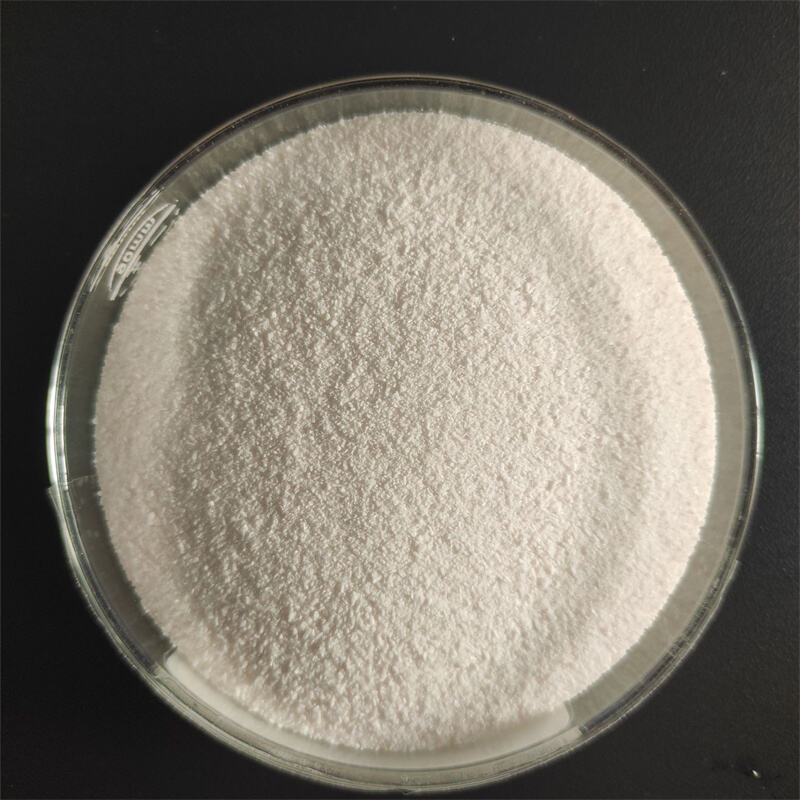 EDTA 4NA
 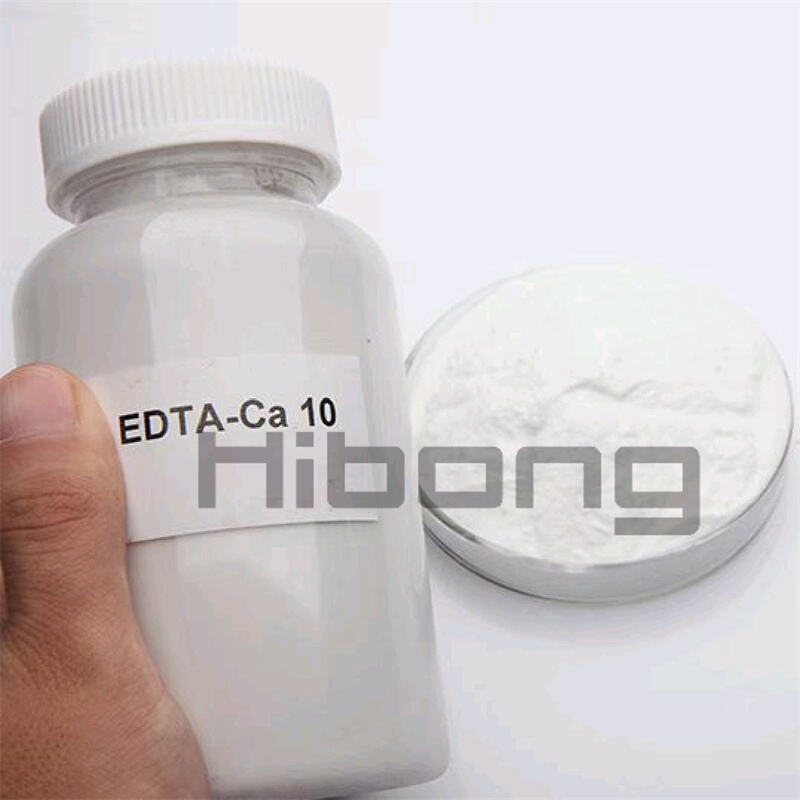 EDTA Ca
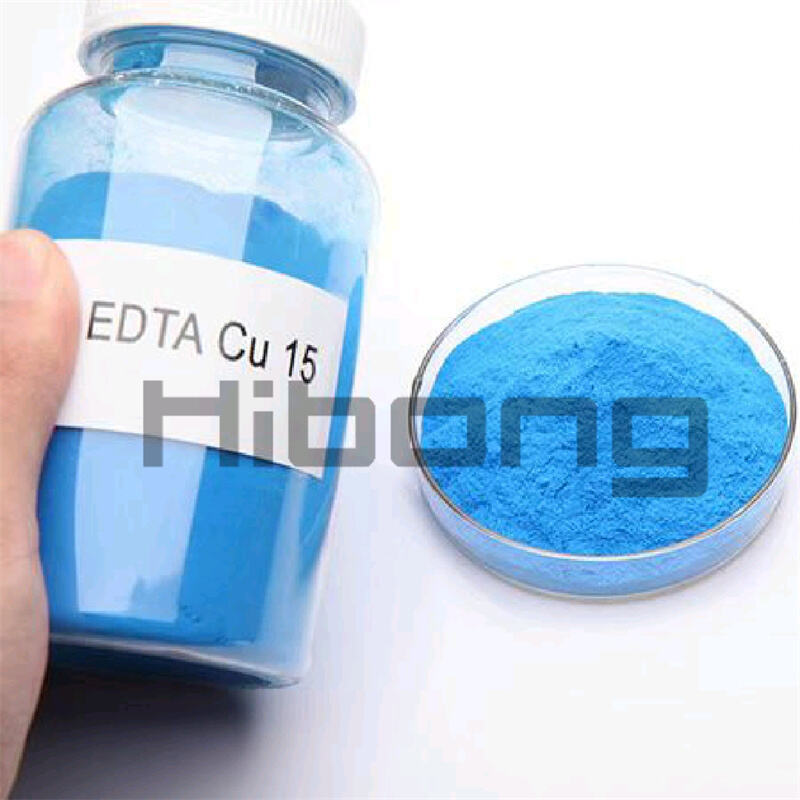 Edta Cu 13%
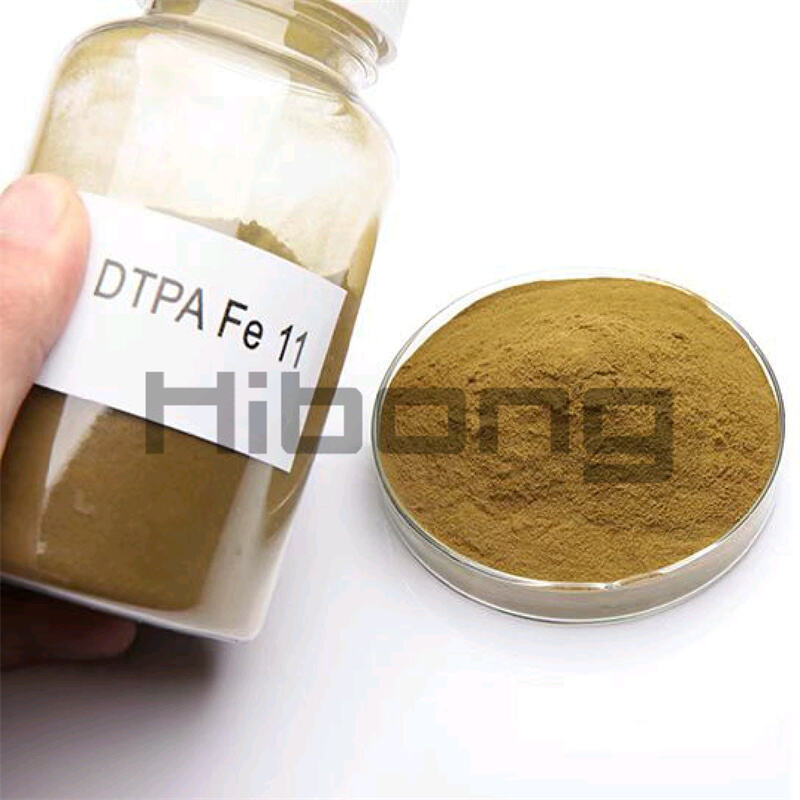 EDTA Fe
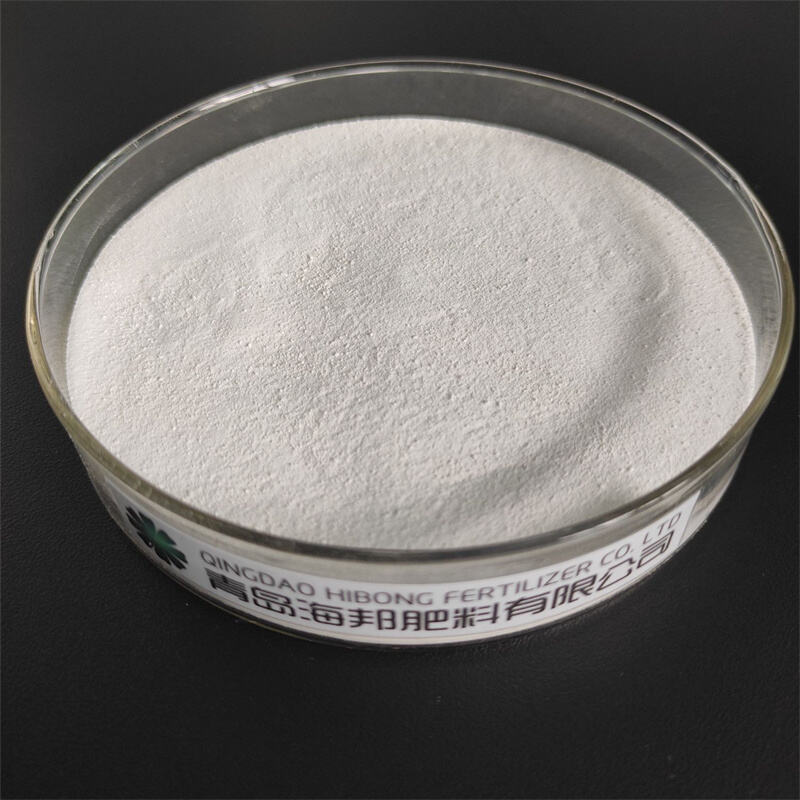 EDTA Mg
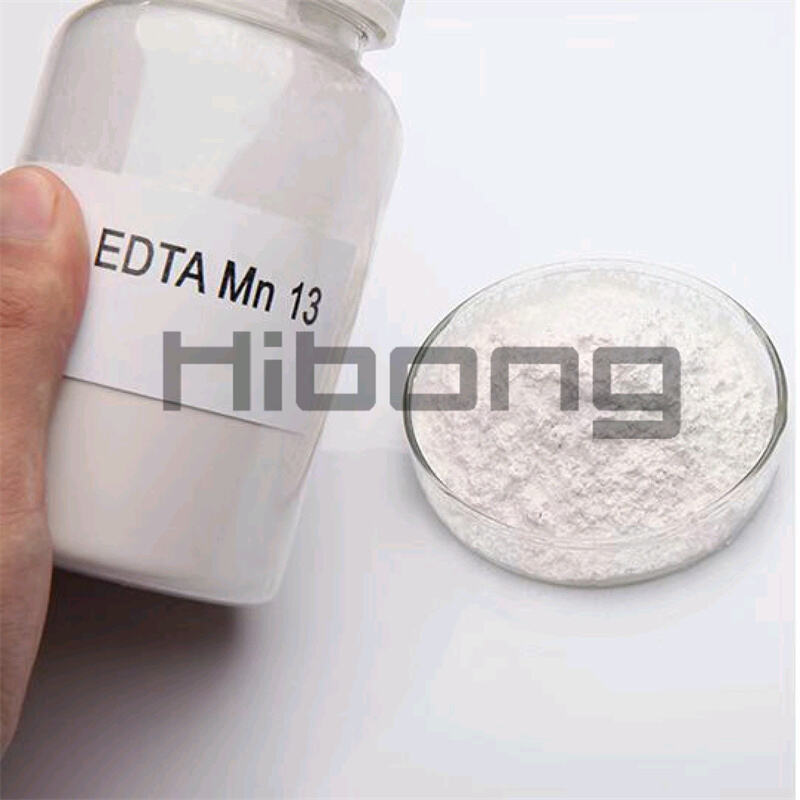 EDTA Mn
 6-benzaminopurine(6BA)
 GA3 4% EC Liquid
 GA3 10% TB 10g Tablet
 GA3 90% TC Powder
 Diethylaminoethylhexanoate(DA6)
 Paclobutrazol 15%WP powder
 Paclobutrazol 25% suspension concentrate
Liquid fertilizer are getting more popular in farming these days. This shift happen for several reasons. Farmers always search for ways to grow better crops using less resources. Liquid fertilizer, such as those from Shellight, is a good choice because it let plants get nutrients fast. Unlike the granular types that need time to dissolve in soil, liquid ones can be taken up by plants right away. So crops grow stronger and quicker. Also, it reduce waste and protect the enviroment by cutting down runoff to water. With challenges like climate change and soil problems, liquid fertilizers prove helpful in today's farming
Why Liquid Fertilizer is Future for Eco-Friendly Farming
Liquid Fertilizer play a key role in sustainable farming. It easier to handle and make farmers more effective. For example, they can mix it with water and put it straight on soil or plant leaves. This way, farmers target areas that need nutrients most. Instead of spreading over big fields, they focus where needed. That targeted way save resources and cut waste
Eco-friendly farming mean caring for the enviroment while producing food. Liquid fertilizers aid this by lowering chemicals that wash into rivers and lakes. Granular ones lose nutrients in rain, which harm ecosystems. But liquid stay in soil better and less likely pollute. Using Shellight's products, farmers keep water clean and help wildlife
In addition, liquid fertilizers often come from natural stuff, safer for nature. They give key nutrients like nitrogen, phosphorus, potassium, vital for plant growth. These help crops stay strong and healthy, for better harvests. When farmers grow more food without hurting planet, it good for all
Also, liquid fertilizers can be adjusted for various crops. So farmers give plants just what they need to do well. This flexibility big plus for improving yields while staying green
What Make Liquid Fertilizer a Big Change for Today's Farmers
Liquid fertilizer changing how farmers do their work. One main reason is the easy applying. Farmers use special gear to spray it right on crops. This save time and effort. No more hours spreading granules by hand or tractor, they cover areas fast with spray. So they got more time for other stuff, like checking crop health or harvest prep
Another cool part is how well it work. Since it's liquid already, plants absorb nutrients quicker than granules. This fast uptake make crops stronger soon. For instance, starting with liquid at season begin, farmers see healthier plants and more yield at harvest. That's important as food needs keep rising
With this, liquid fertilizers help save cash. Upfront cost might higher than granules, but the better production mean more money from harvests. Plus, using less overall cut long-term costs
How Liquid Fertilizer Help Crop Yields and Cut Costs
Liquid fertilizer gaining fans among farmers because it boost crop growth and save money over time. Main reason it work so well is plants absorb it faster than granular. With granules, nutrients stuck inside, waiting for rain or soil wet to break down. But liquid ready for use, so plants take it in quick. When plants get nutrients fast, they grow taller and make more produce. This mean higher yields from same land
Using liquid also save money for farmers. Though buying it first might cost more, they save elsewhere. It need less product since more efficient. Nutrients in liquid get used better, less waste. This lead to lower total costs. In addition, mix with water and apply with gear cover more ground quick, saving labor. With higher yields and less spend, farmers switching to Shellight's liquid can earn more while using fewer chemicals to help enviroment
How to Switch from Granular to Liquid Fertilizers Smoothly
Going from granular to liquid fertilizer might seem hard, but it can go well with some steps. First, learn about types of liquid available. Each have different nutrients and perks, so pick right one for your crops. Research help make good decision. Talk to experienced farmers or Shellight experts for advice fit your needs
After choosing, test the soil. Check what's already there and what crops want. This tell how much to use. Then, get equipment ready. Liquid need sprayers and tanks unlike granules. Make sure clean and working to avoid issues
Finally, try on small area first, like a test. Watch how plants react and adjust if need. After good trial, go bigger, get full benefits. These steps make transition easy and let enjoy liquid advantages
Fixing Problems with Liquid Fertilizer Use
Using liquid Fertilizers, sometimes issue pop up. Farmers need to know how fix them. One usual problem is uneven spread. If some spots get too much and others little, crops grow bad. To solve, check equipment often. Clean and adjust sprayers for even delivery across field
Another thing is timing the apply. Wrong time cause trouble. Like if rain heavy when applying, it wash away, not reach plants. Avoid by watching weather and plan. Best when soil moist but not too wet, so nutrients absorb good
Last, watch crop response. If yellow or slow, maybe not enough nutrients. Or if too green and fast, too much. Adjust based on that. Good troubleshooting mean best care for crops, better yields and health. Shellight support with tips and quality products for success