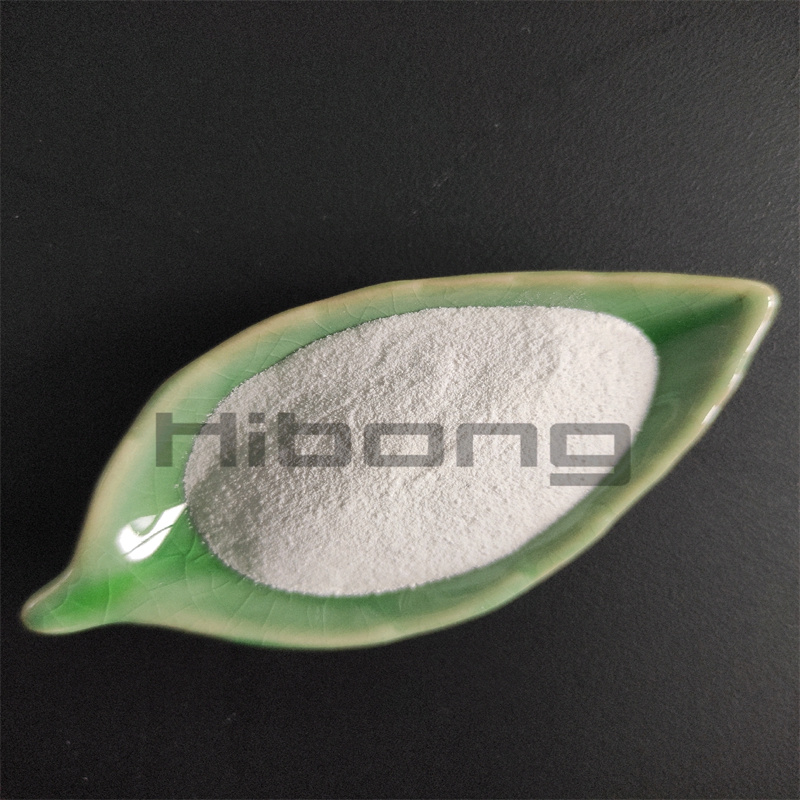
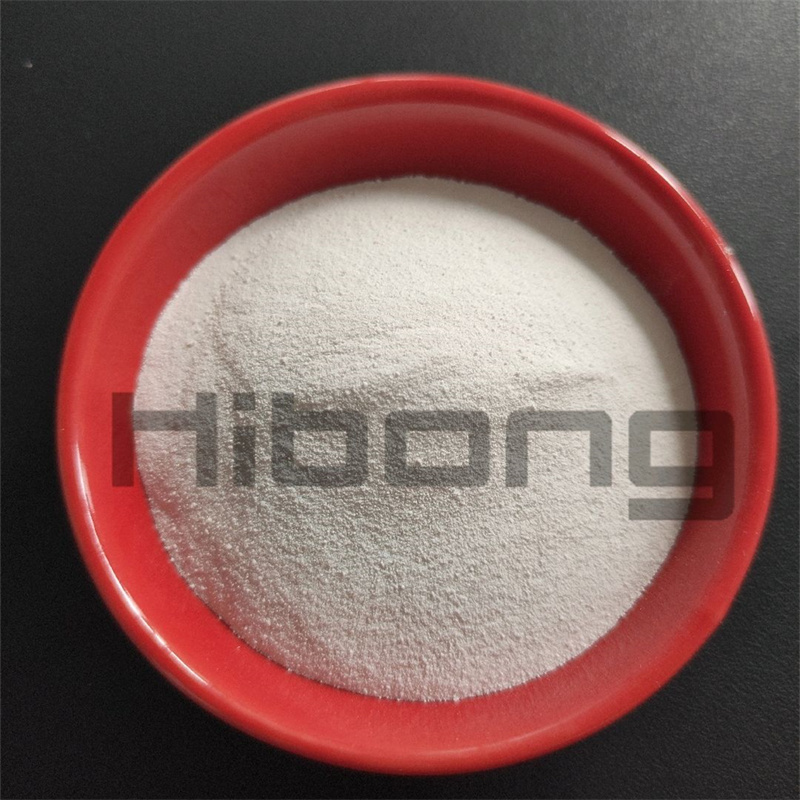
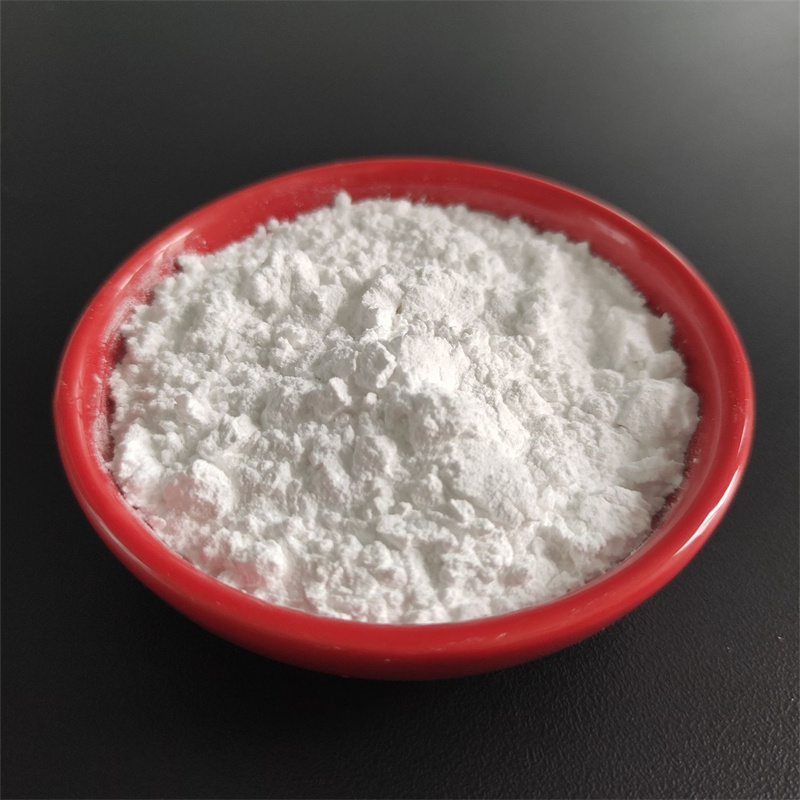
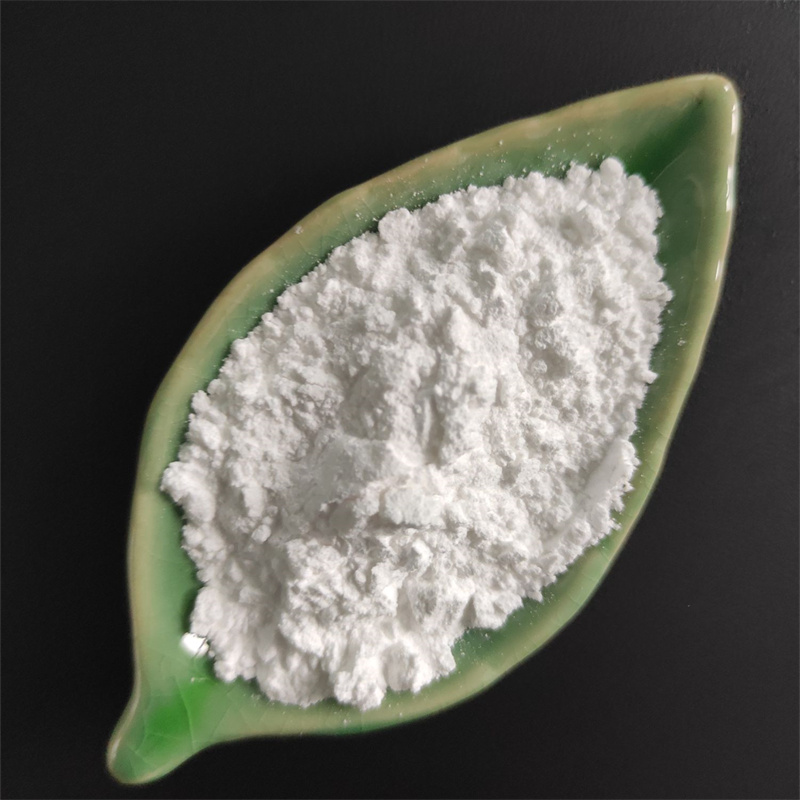
There are a lot more to understand on keep it in good bacteria-free proper condition for safest user. The cyanuric acid or CYA is a significant aspect to bear in mind like chlorine dioxide by Shellight. This compound is important in protecting the ability of chlorine to kill off nasty germs, as well as preserving your pool from turning into a slimy critters paradise.
Cyanuric acid is critical for pool care, but too much of it can create a range from cloudy water to less effective chlorine the same with humic acid from Shellight. The easiest way to deal with high levels of cyanuric acid is by draining part of the water that has been added while refilling and replacing it again. This process should be done over a period of time, to not cause harm the pool shell or liner. Cyanuric acid levels should be monitored regularly by testing your water for cyanuric acid to ensure it is within the established limits.
Your pool water requires a combination of chlorine and cyanuric acid to stay clear, healthy for swimmers just like the pool chemicals with Shellight. Firstly, chlorine as a sanitizer is killing all the bad bacteria and microorganisms. Conversely, cyanuric acid aids in keeping chlorine stable and prohibiting it from breaking down too quickly. Balancing these two chemicals and keeping our pump functioning properly (more about that another day) on a regular, backwashing basis is absolutely crucial for maintaining your pool. To keep a pool sanitizer, water test is required to check these levels of chemicals and make sure for safe swimming atmosphere.
When your pool has too much cyanuric acid, the following can happen: you might experience cloudier water than usual due to low chlorine efficiency and increased algae growth. Additionally, excessive amounts of cyanuric acid similar to the chlorine tablets can be harmful to swimmers leading to skin and eye irritation or in the worst case fatal respiratory issues. In addition, Cyanuric acid levels can rise so high that it covers up chlorine deficiencies on a test and makes the pool appear to be cleaner than what is true. For this reason, continuous testing of chlorine and cyanuric acid quantities is very vital to avoid swimming in unsafe waters.
Apart from these pool side applications, this acid is used in agriculture and during some industrial operations to prevent bacterial proliferation as well as for general purpose protecting against corrosion. Cyanuric acid same as calcium hypochlorite can be a viable, cheaper alternative to traditional chlorine treatments for water. disinfection.
We equipped with experienced team of RD experts as well as modern production facilities, most advanced chemical production techniques as well as a highly skilled service staff. With many years' development, company has accumulated an extensive amount of Cyanuric acid knowledge has been able establish itself as the leading enterprise in Chinese chemical industry.
Accepted Delivery Terms: EXW, FOB, CFR, CIF, EXW, FAS, CIP, FCA, CPT, DEQ, DDP, DDU, Express Delivery, DAF, DES.Accepted payment types: T/T, L/C, D/P, CASH, D/A MoneyGram, Western Union, Cyanuric acid, Cash.Language Spoken: English, Chinese, Spanish, Japanese, French, Russian
company six sets products encompass than 100 kinds chemical types that are new. six sets of products include Micronutrients (plant growth regulator) Fertilizers well as Food Additives, Water Treatment Chemicals, and Cyanuric acid Feed.
have exported our fertilizer to more Cyanuric acid one hundred countries include South Korea, Canada, USA, India Turkey, Pakistan, Middle East countries, etc.
 EN
EN
 AR
AR
 FR
FR
 KO
KO
 PT
PT
 RU
RU
 ES
ES
 ID
ID
 SW
SW
 BN
BN

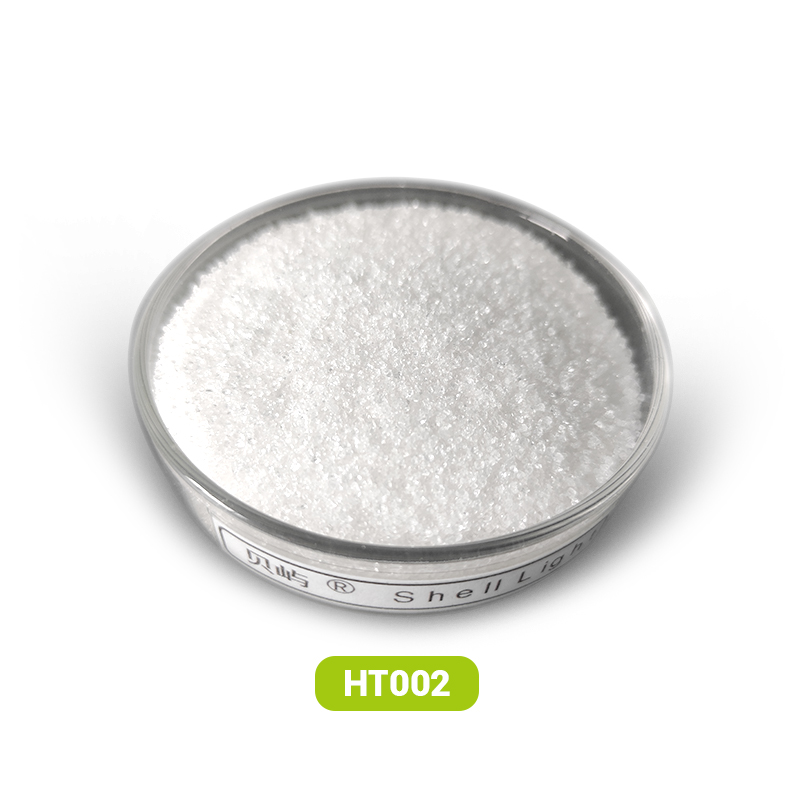 Super Water Absorbent Polymer Potassium Polyacrylate
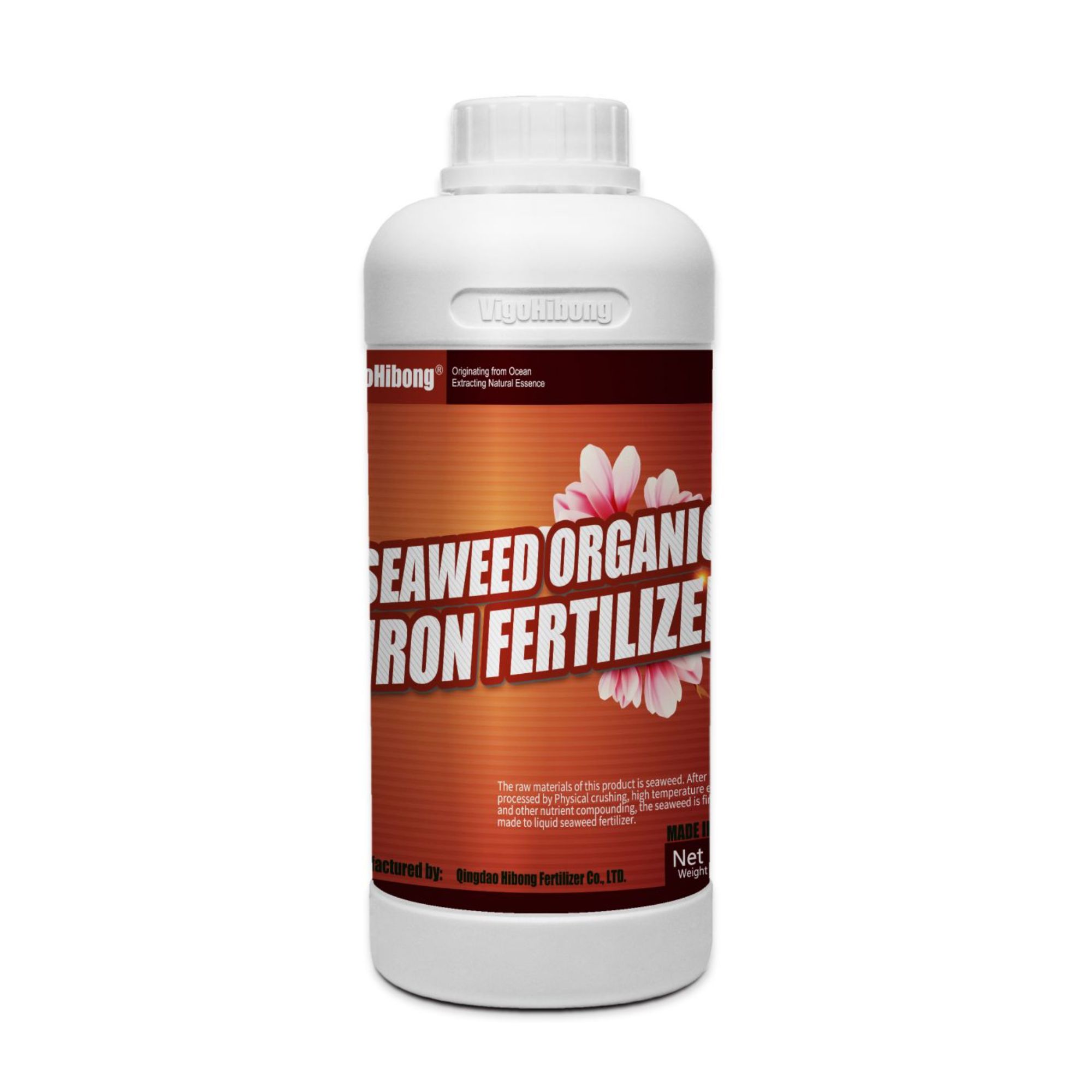 SEAWEED CHELATED IRON LIQUID FERTILIZER
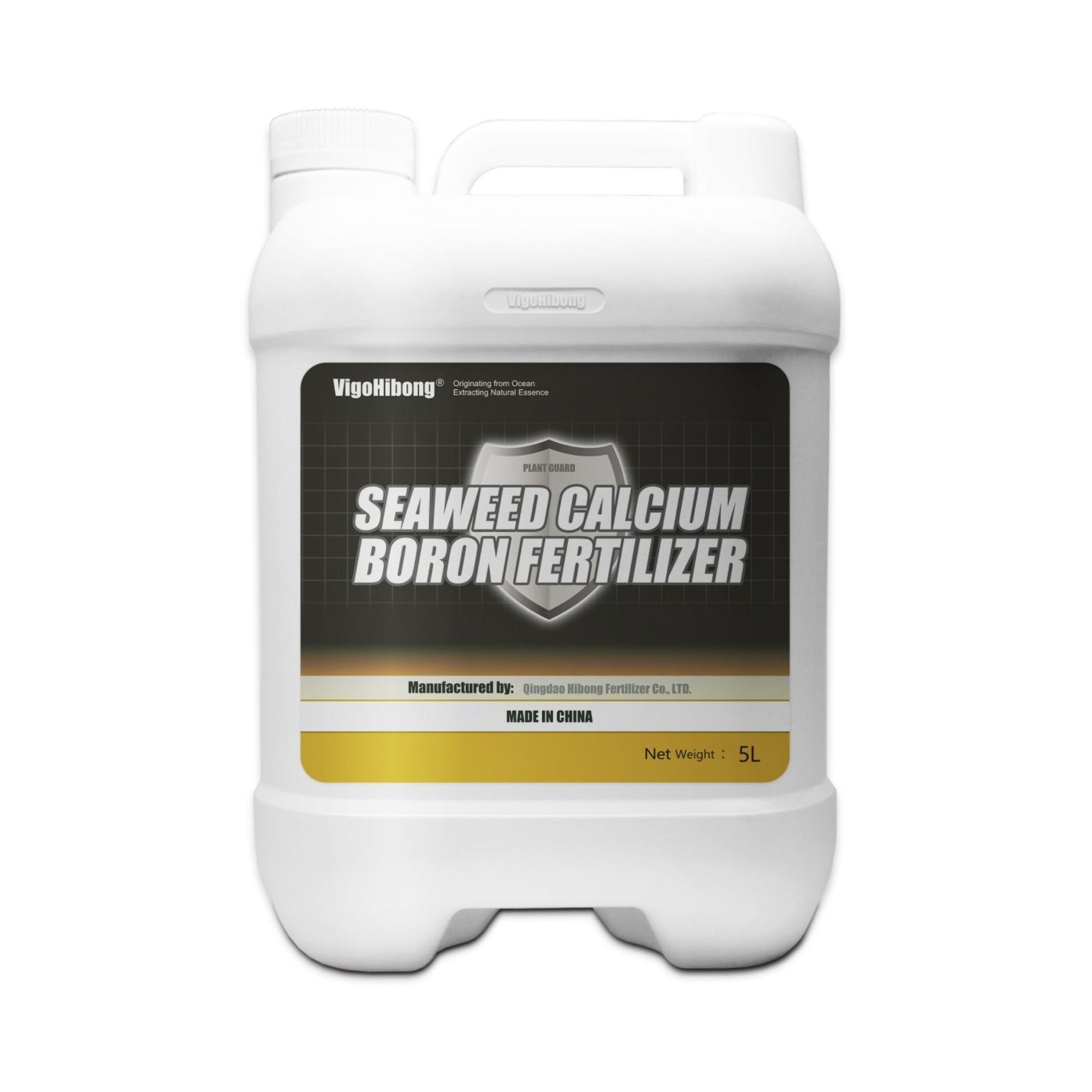 Seaweed Calcium Magnesium Liquid Fertilizer
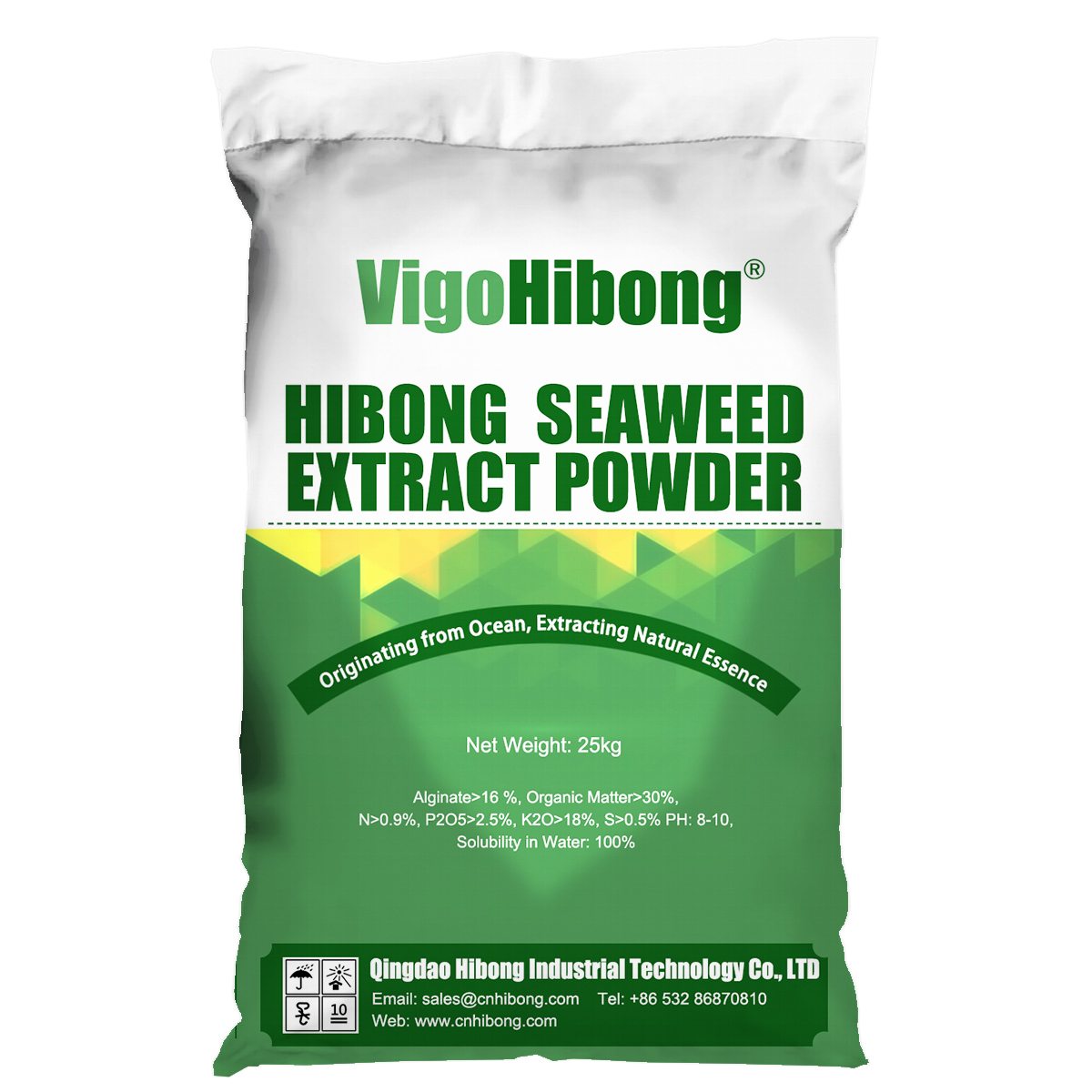
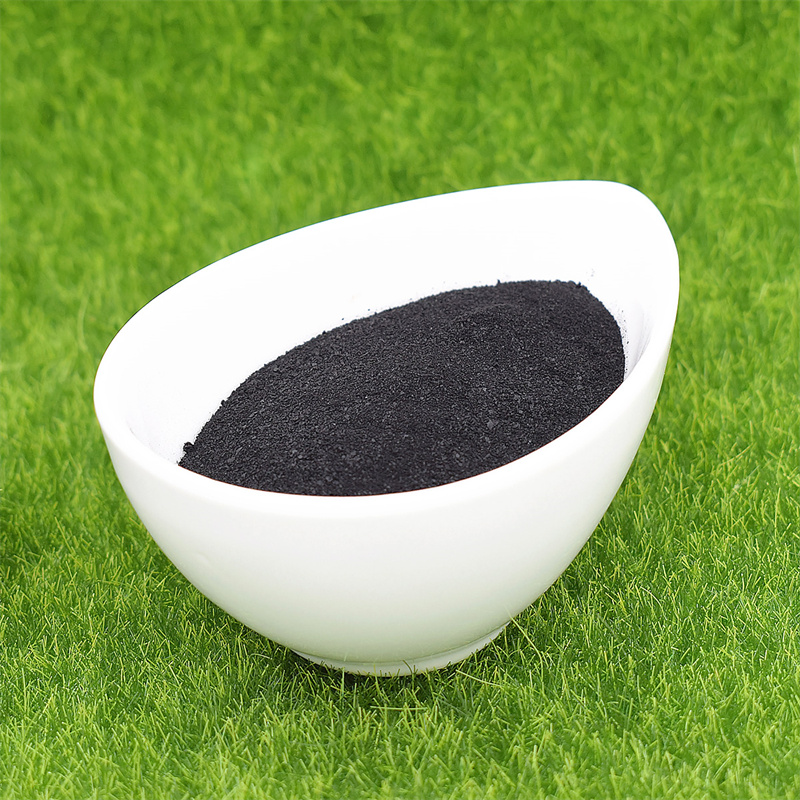 Seaweed Extract Powder
 Seaweed Extract Flake
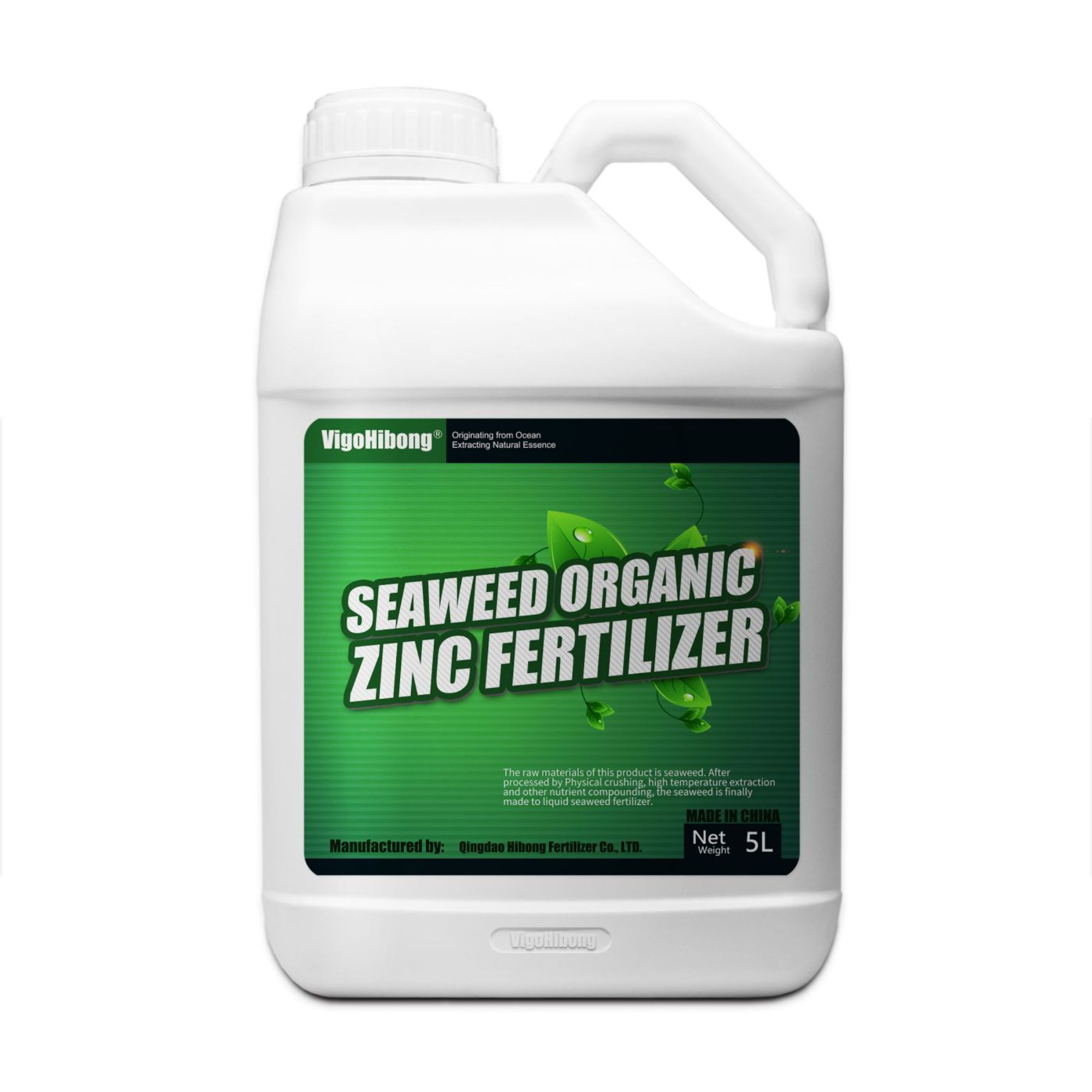 Seaweed Znic Liquid Fertilizer
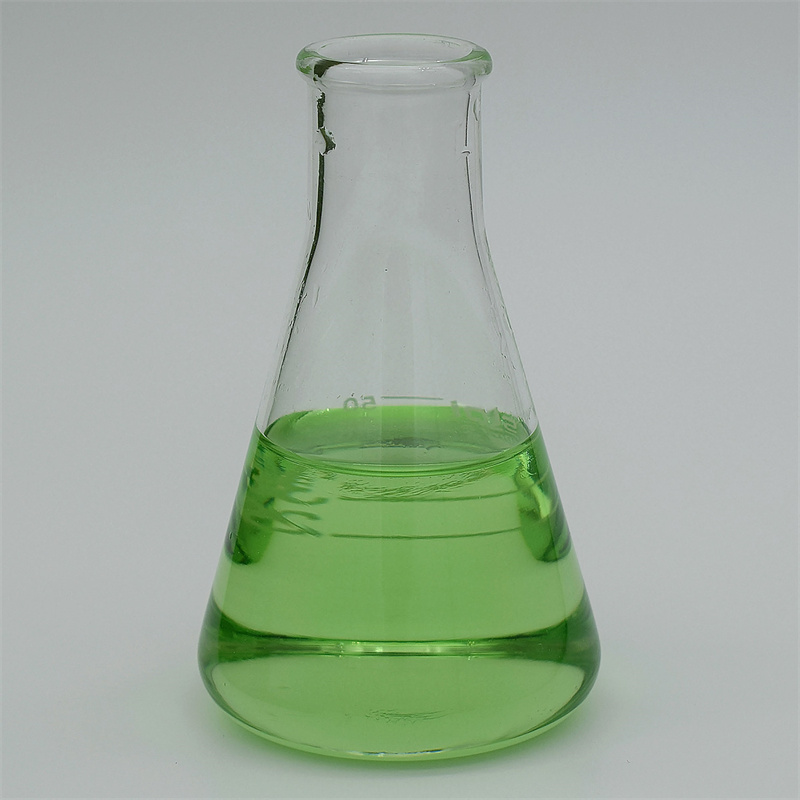
 Seaweed Liquid Silicon Fertilizer
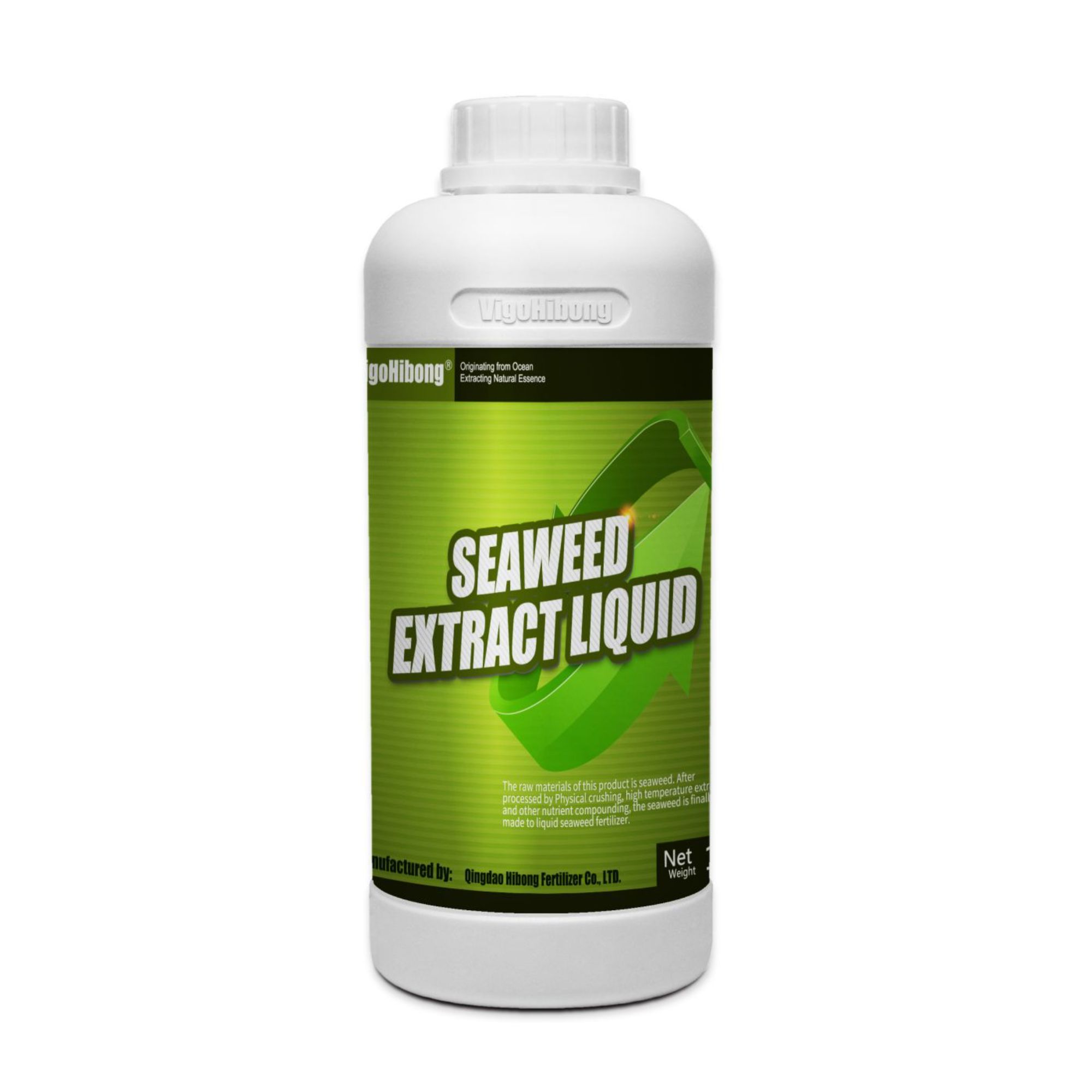
 Liquid Seaweed Fertilizer
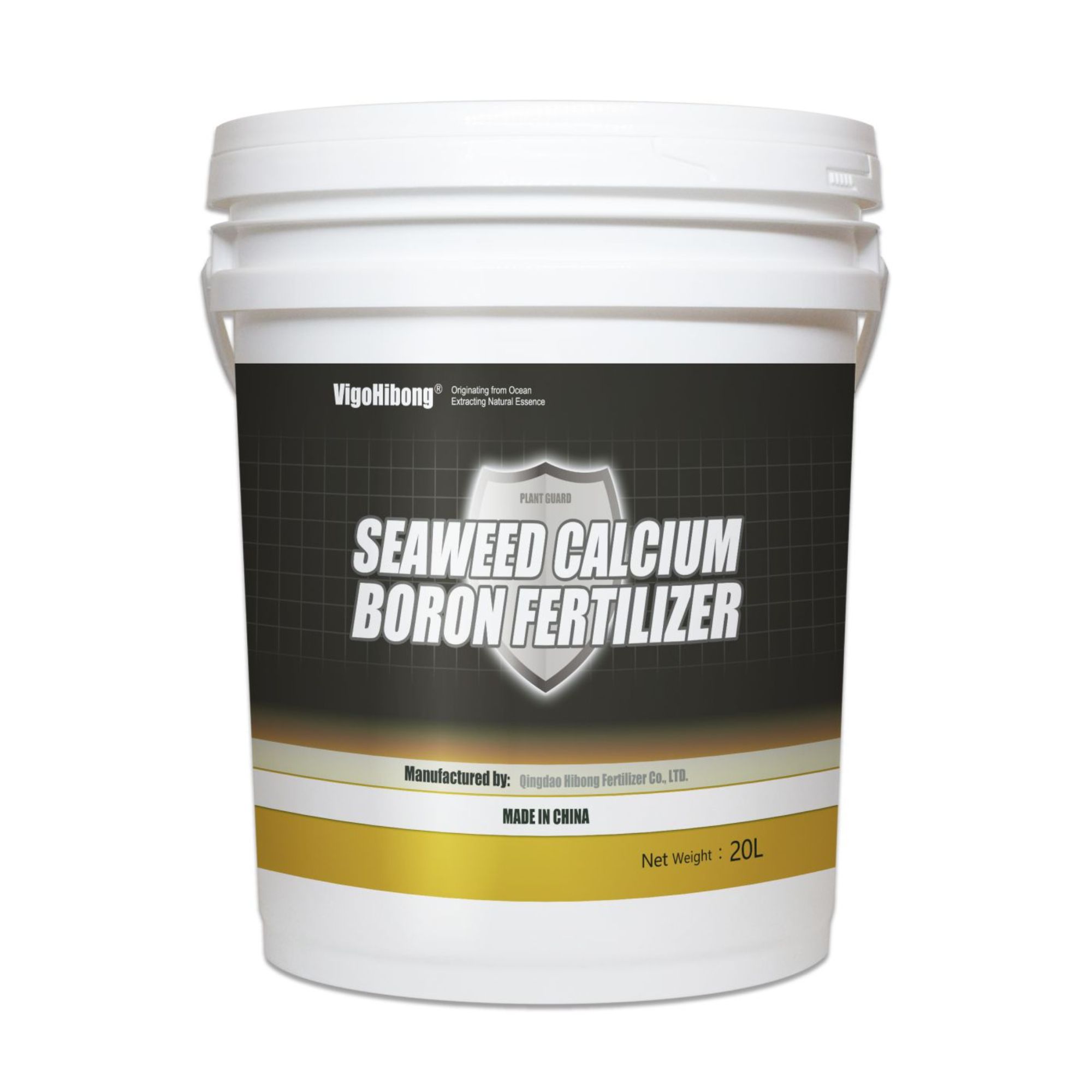 Seaweed Organic Liquid Calcium Boron Fertilizer
 L-Cystine
 L-leucine
 L-Cysteine
  L-Arginine
 L-Lysine
 L-Thioproline
 Aluminium sulphate
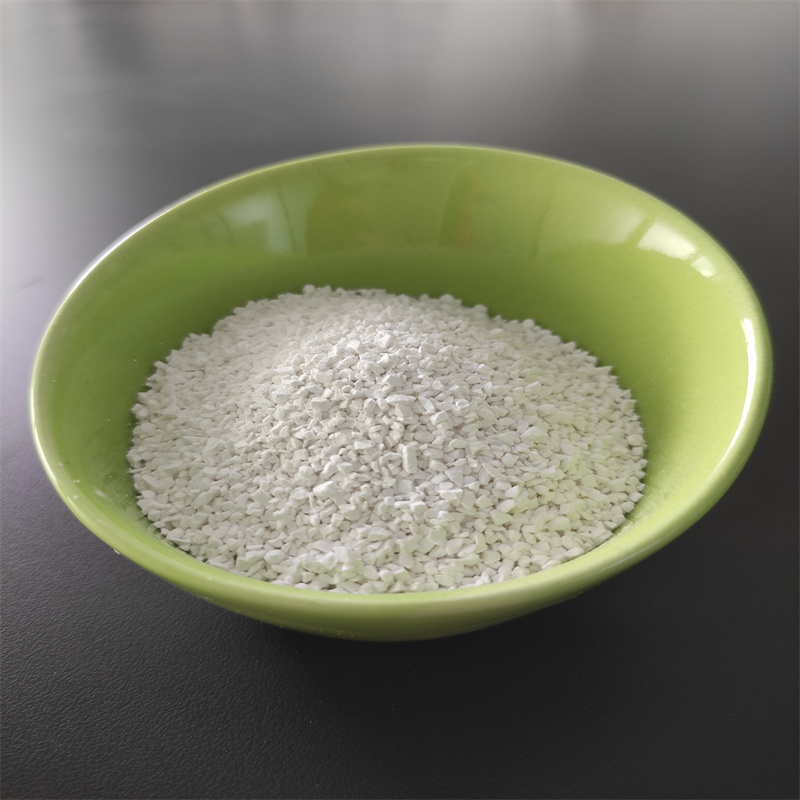 Calcium hypochlorite
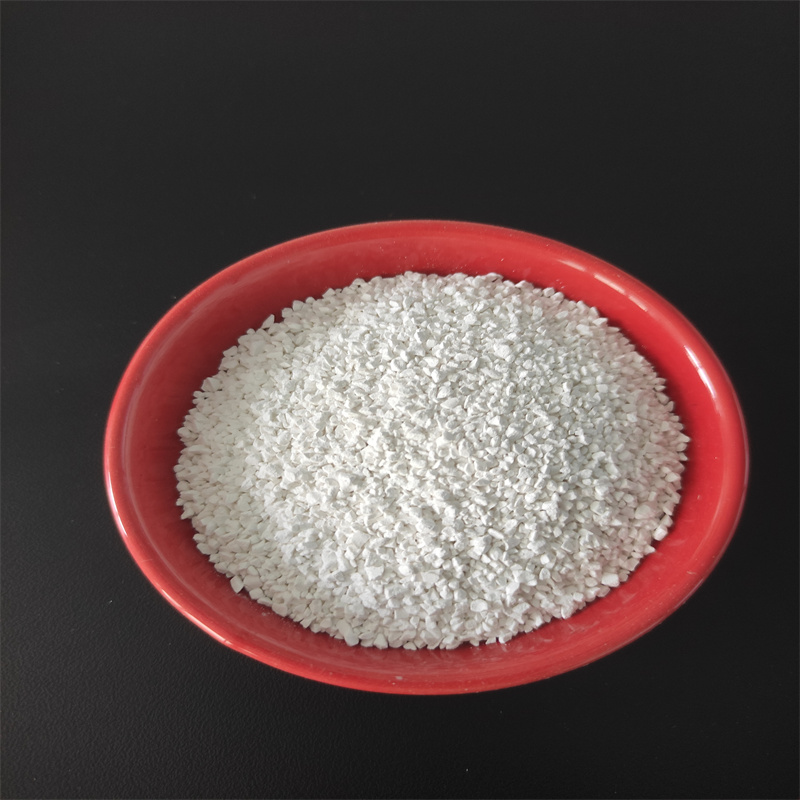 Chlorine dioxide
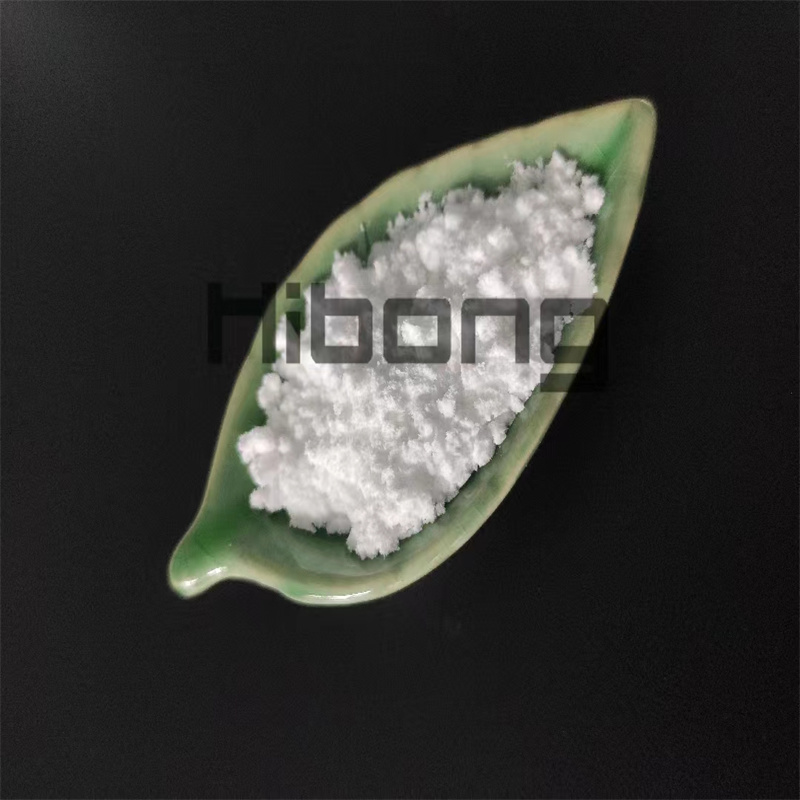 Cyanuric acid
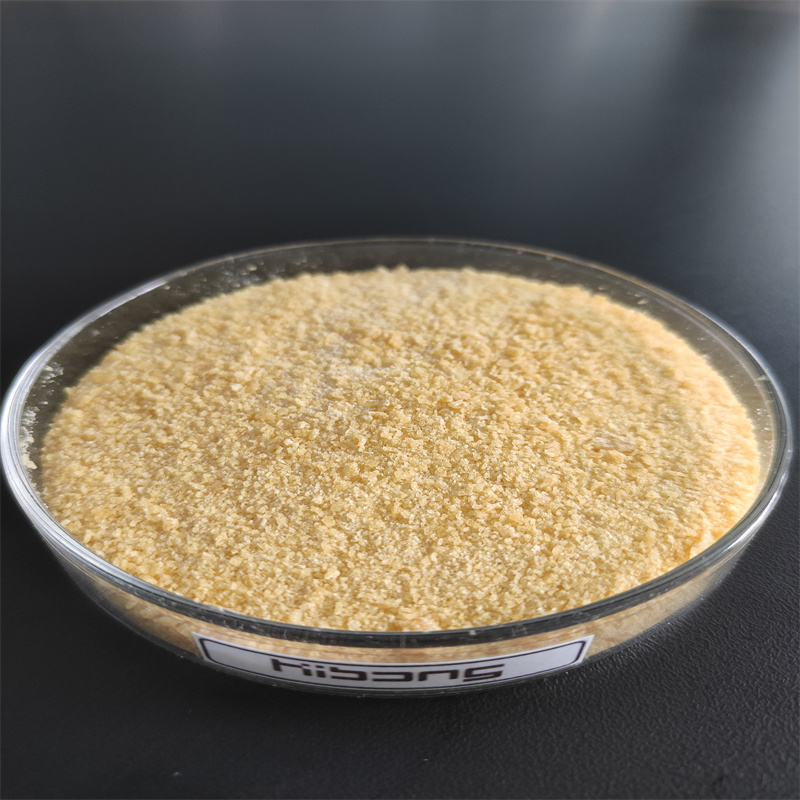 Polyaluminum Chloride
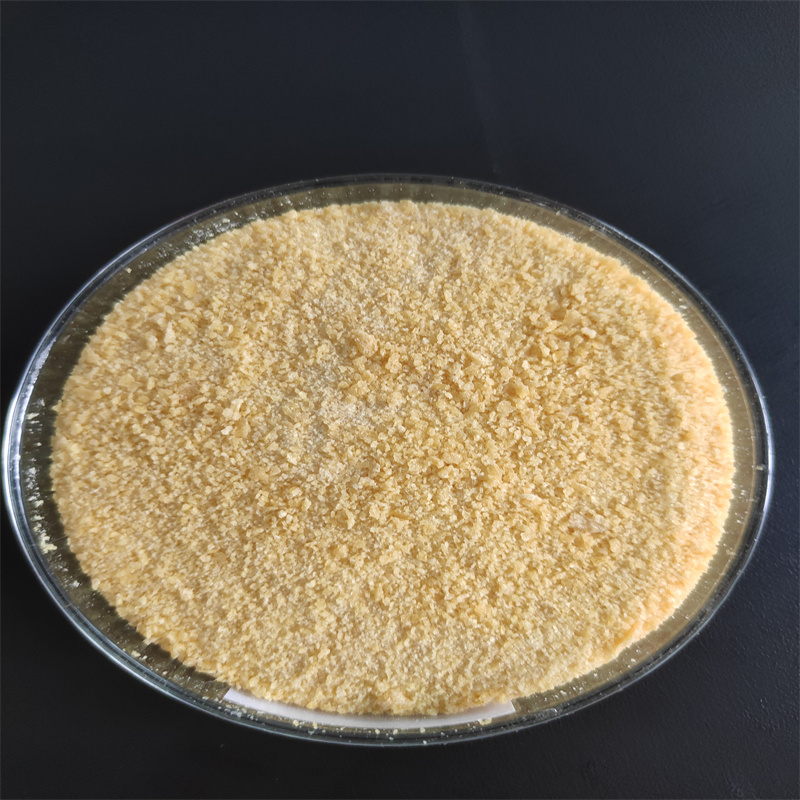 Polyacrylamide
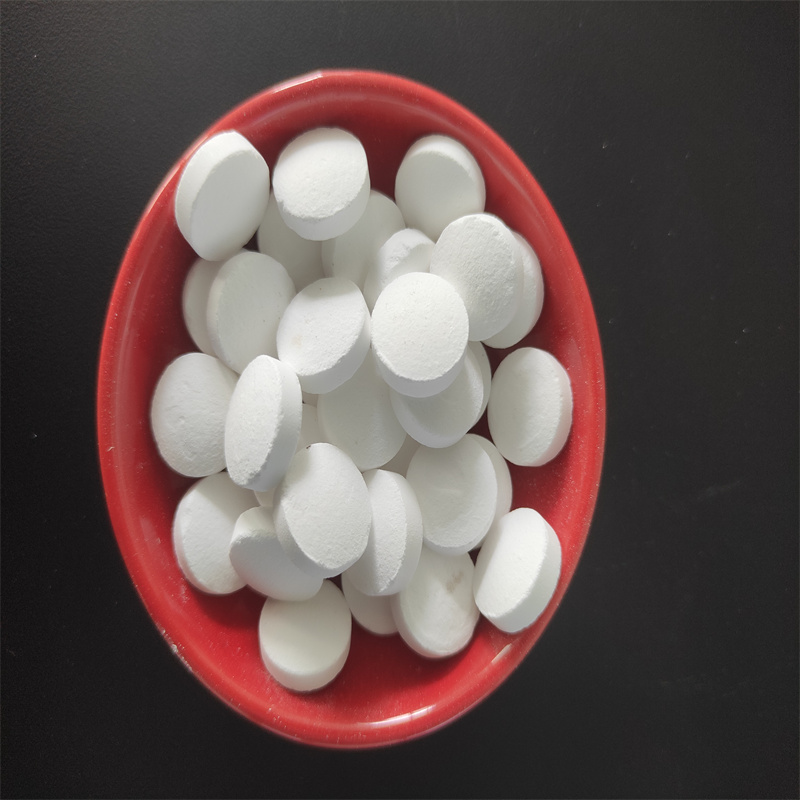 Sodium Dichloroisocyanurate (SDIC)
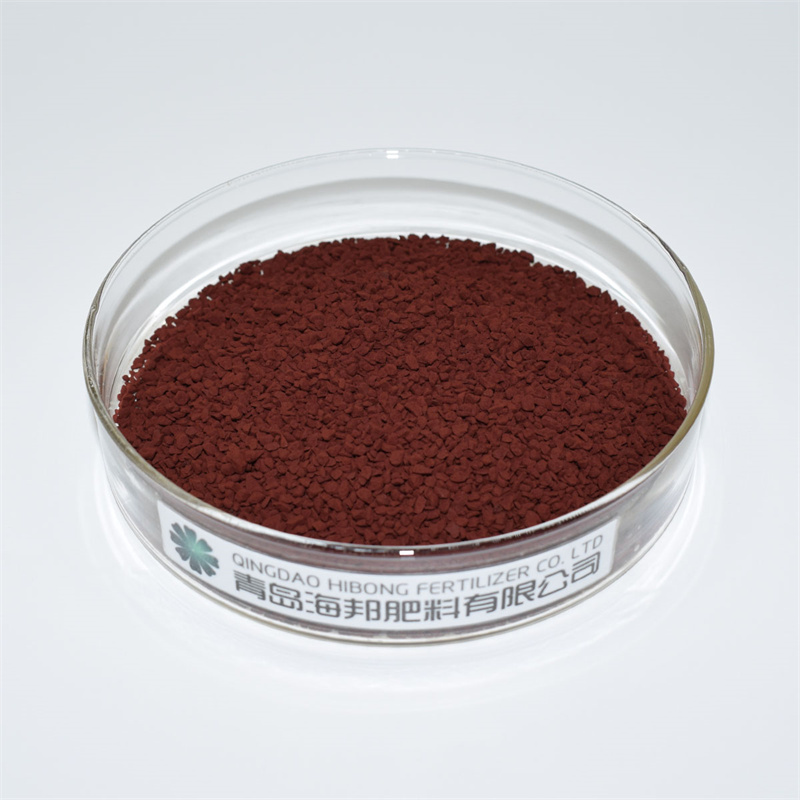 EDDHA Fe Powder
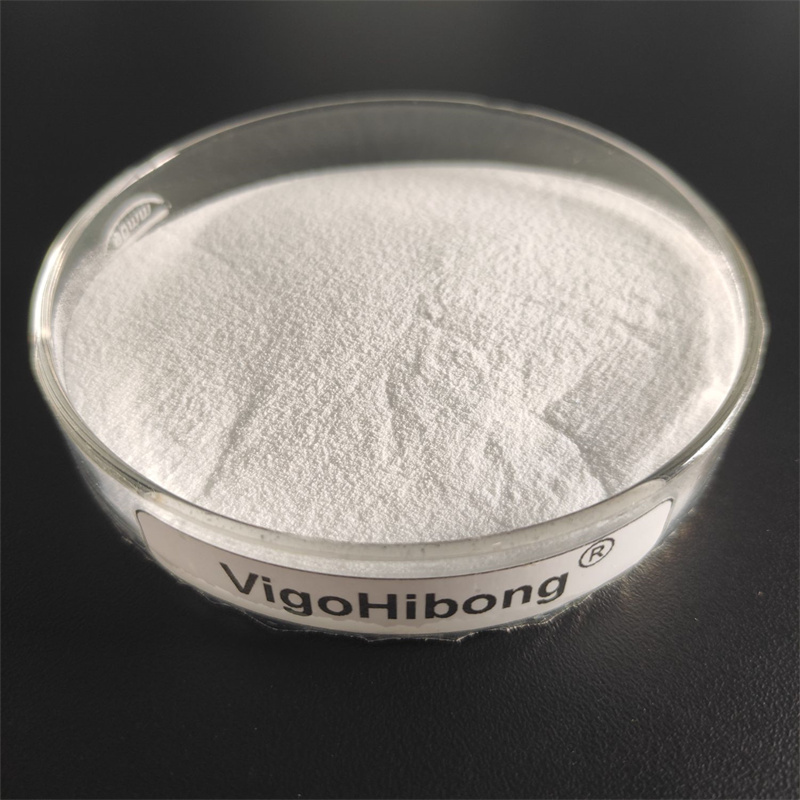 EDTA 2NA
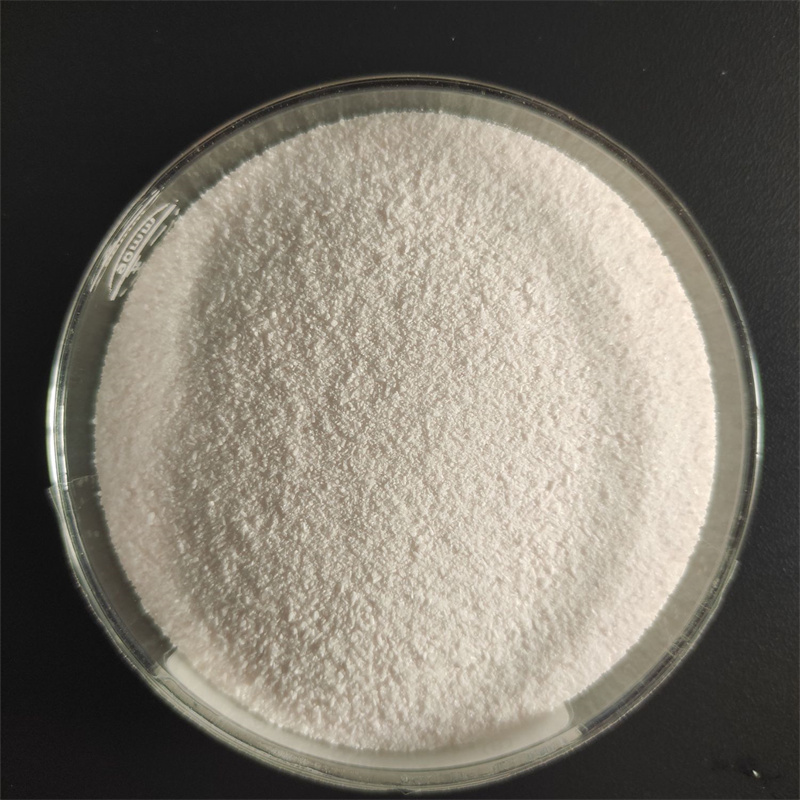 EDTA 4NA
 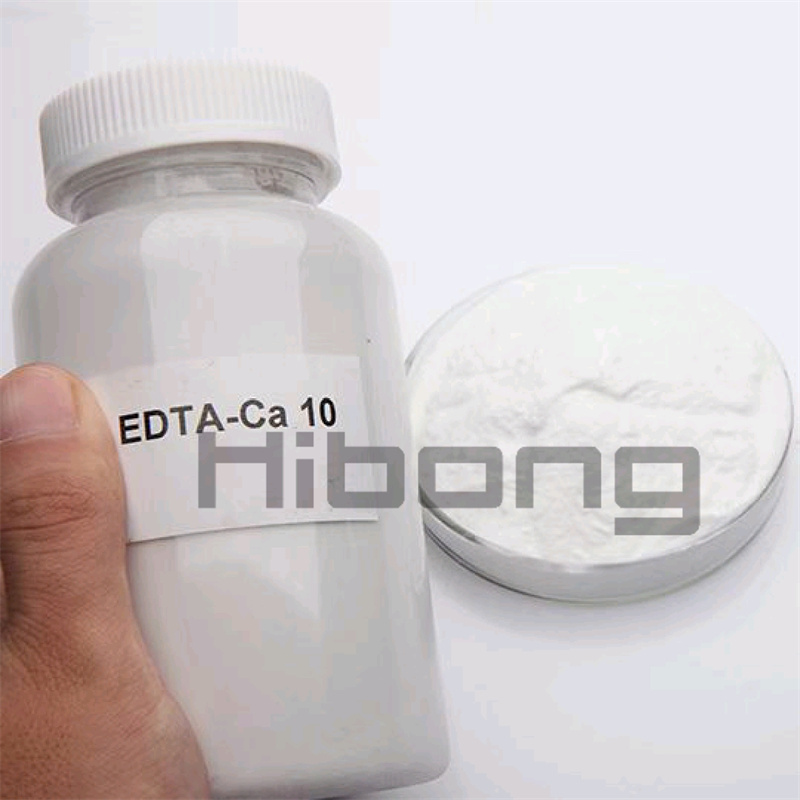 EDTA Ca
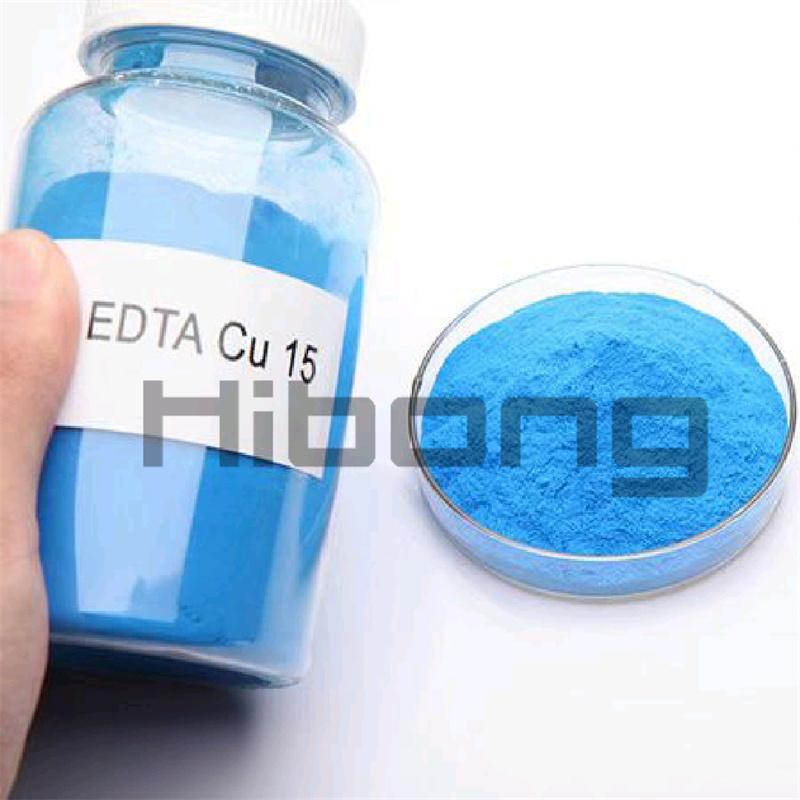 Edta Cu 13%
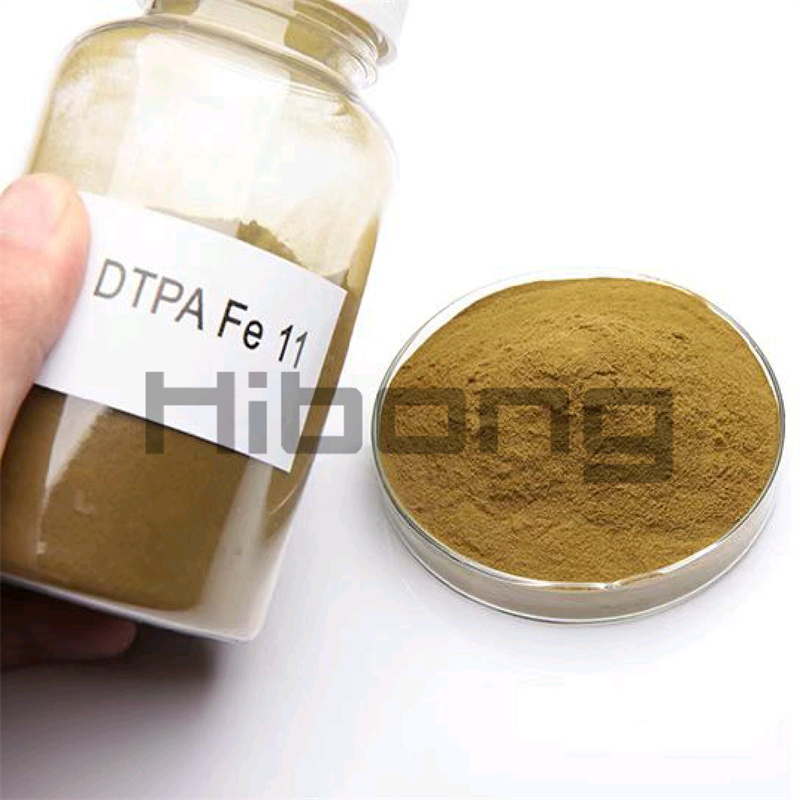 EDTA Fe
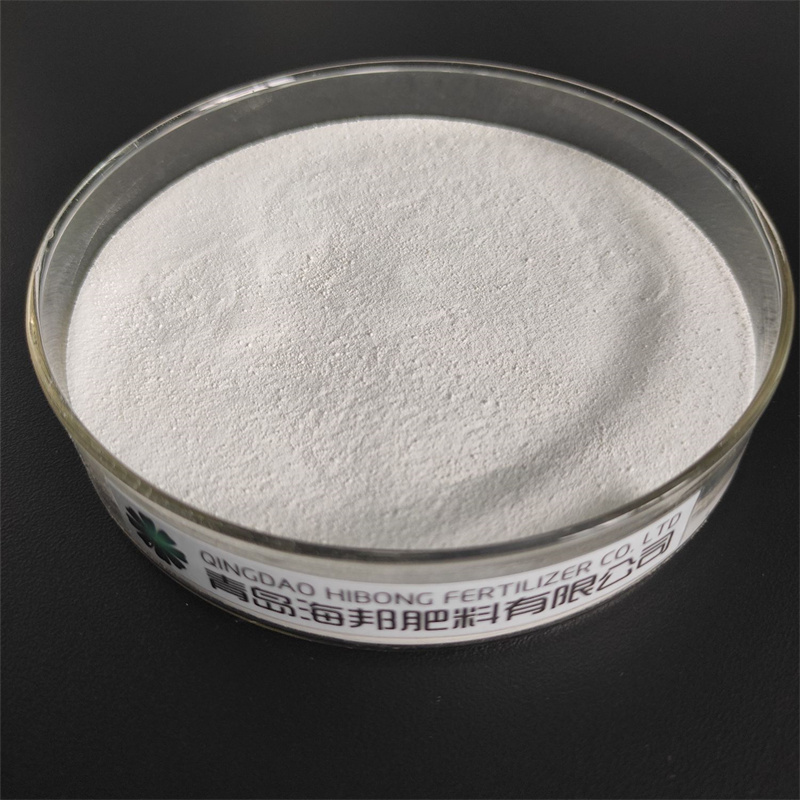 EDTA Mg
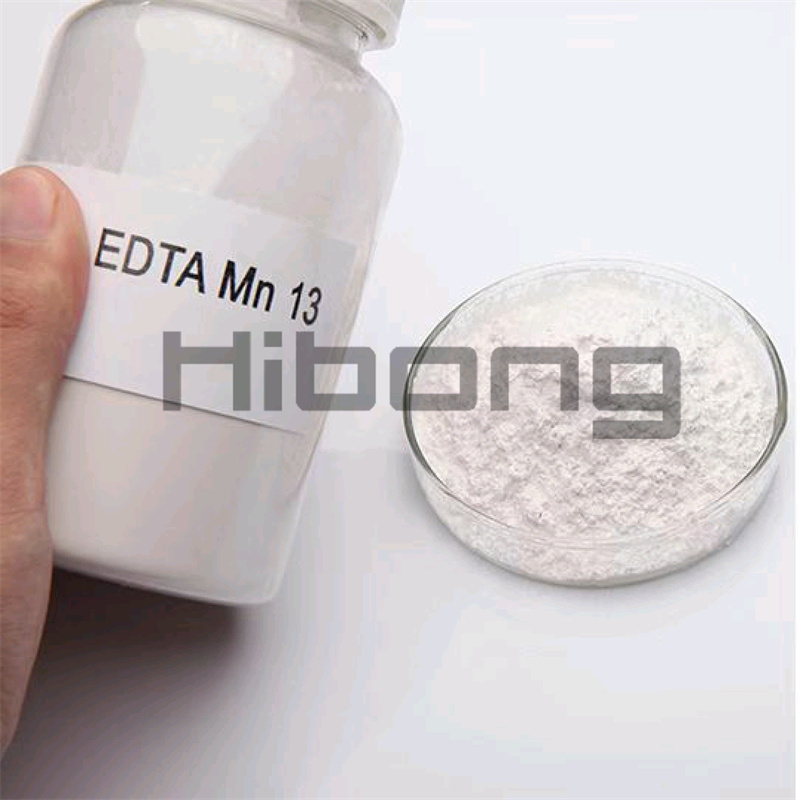 EDTA Mn
 6-benzaminopurine(6BA)
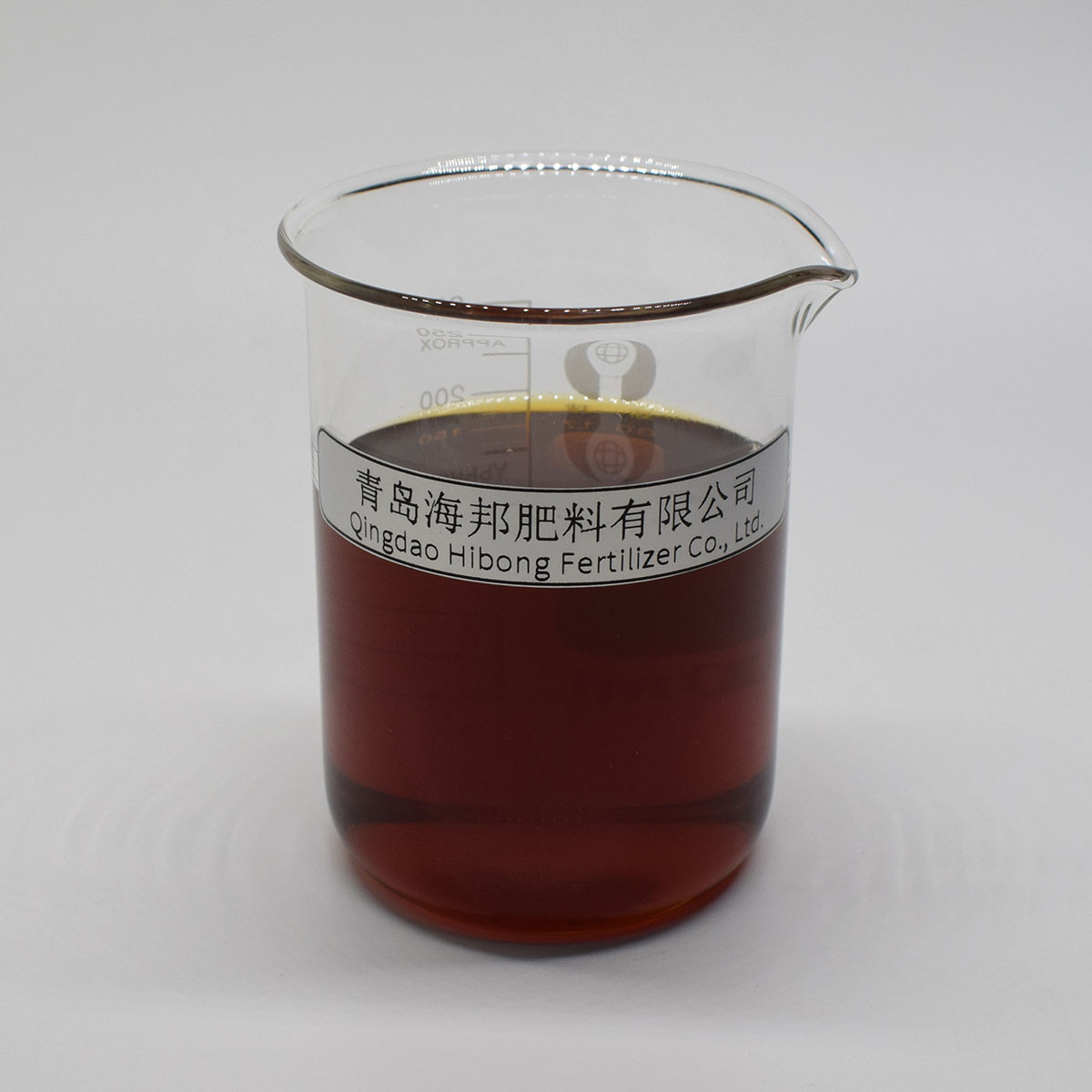 GA3 4% EC Liquid
 GA3 10% TB 10g Tablet
 GA3 90% TC Powder
 Diethylaminoethylhexanoate(DA6)
 Paclobutrazol 15%WP powder
 Paclobutrazol 25% suspension concentrate